Apply on vietnamemigration.com
Start your Vietnam eVisa here — visa type, travel dates, passenger details, secure payment, and document upload. No need to leave this site for another application page.
Your Vietnam eVisa is not a generic "enter anywhere" pass. It is tied to the port of entry printed on your government approval PDF—the specific airport, land border gate, or seaport where you first arrive in Vietnam. Landing at a different location than the one listed can cause denied boarding, refused entry, or a ruined first day of vacation—even when the email in your inbox looks valid.
This 2026 guide explains how entry ports work on assisted applications, which international airports and land crossings travelers use most, what cruise passengers should verify, and how to align your tickets with your approval before you pack.
We are a private visa assistance service—not the Government of Vietnam. Entry rules and authorized port lists are set by Vietnamese immigration authorities. Our /apply form collects visa type, travel dates, contact details, and passenger information—it does not include an entry-port dropdown. The port is assigned when your government eVisa is issued; always verify it on the approval PDF before travel.
Quick answer: Vietnam eVisa entry ports at a glance
| Item | 2026 summary |
|---|---|
| Golden rule | First international arrival in Vietnam must match the port on your approval PDF |
| Major airport hubs | SGN (Ho Chi Minh City), HAN (Hanoi), DAD (Da Nang), CXR (Nha Trang), PQC (Phu Quoc) |
| Land entry | Designated gates with Cambodia, Laos, China—only if listed on your PDF |
| Seaports | Cruise and ferry arrivals at authorized ports when approval aligns |
| Our apply form | Does not ask you to pick a port—port appears on issued PDF |
| Domestic connections | Fine after clearing immigration at your authorized international port |
| Single vs multiple | Multiple entry needed to exit and return; port rules apply on every arrival |
| Best practice | Download PDF, verify port vs ticket, print one copy before departure |
Best for: First-time visitors booking international flights, overland backpackers on Southeast Asia loops, cruise passengers, and families coordinating arrival airports with hotel locations.
How entry port assignment works
Understanding when and how the port appears prevents the most common entry failure: booking flights before checking the PDF.
On our assisted application flow
Our /apply form does not ask you to select an entry port during application. You provide visa type, travel dates, passenger details, passport scans, and payment—but not "I will land at SGN."
The authorized port of entry is recorded when Vietnamese immigration issues your eVisa. It then appears on your approval PDF alongside passport number, validity dates, and entry type (single or multiple).
What you must do after approval:
- Download the PDF immediately and save offline on your phone
- Find the port of entry field—note the airport code or border gate name
- Compare it to your ticket's first international landing in Vietnam
- If they differ, contact support before departure—do not assume airline staff can override
For step-by-step application context, see how to apply for a Vietnam eVisa online.
Entry port rule: the same principle everywhere
Whether your eVisa is issued through any channel, the port on your issued approval governs entry—not your hotel city, not your intended domestic connection, and not a general list of "eVisa airports" from a blog post.
First international landing vs final destination
This distinction trips up multi-city planners constantly:
| Your ticket | What must match the PDF |
|---|---|
| London → Hanoi (HAN) → hotel in Hanoi | HAN on PDF |
| Sydney → Ho Chi Minh City (SGN) → domestic flight to Da Nang | SGN on PDF (Da Nang domestic leg is after immigration) |
| Bangkok → Da Nang (DAD) → train to Hue | DAD on PDF |
| Planned HAN arrival but PDF shows SGN | Problem—fix before flying |
Domestic flights, trains, and buses after you clear immigration do not need to match the port. Only the first time you enter Vietnam internationally must align.
International airports: codes, regions, and route logic
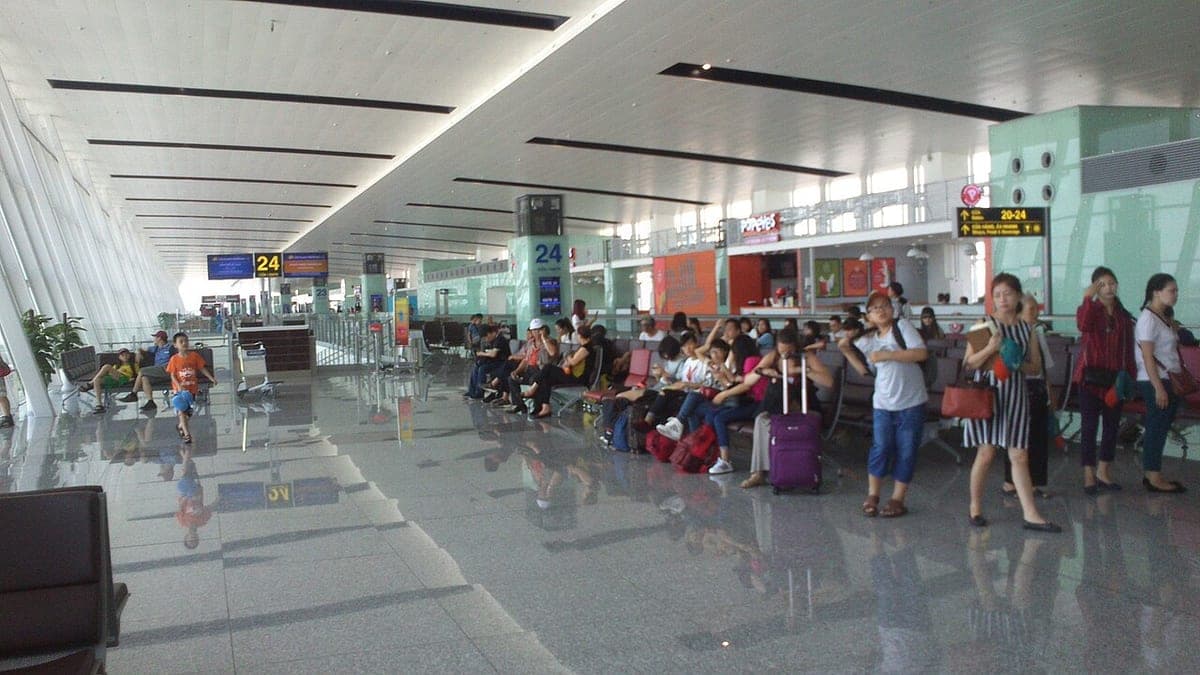
Vietnam eVisa holders commonly enter through designated international airports. Your approval lists your authorized airport—not every airport automatically.
Major airports travelers use
| Code | Airport | Region | Typical traveler profile |
|---|---|---|---|
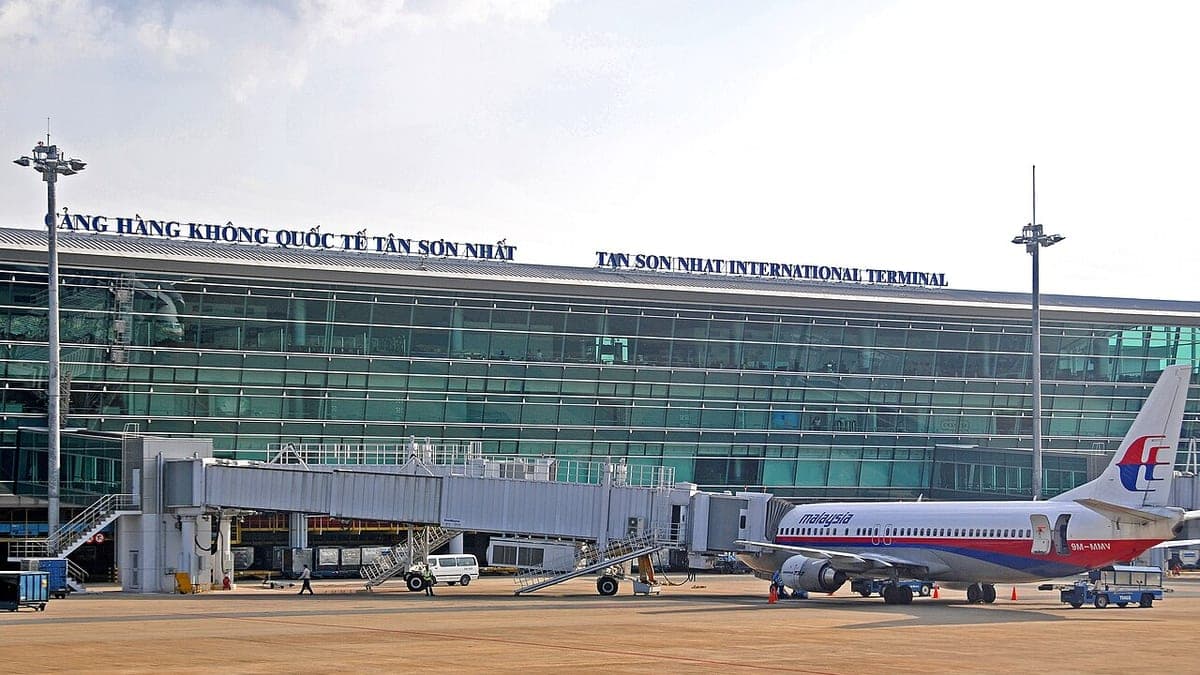
| SGN | Tan Son Nhat International | Ho Chi Minh City (opens in new tab) — south | First-time visitors to south Vietnam, Mekong Delta, Phu Quoc connections |
| HAN | Noi Bai International | Hanoi (opens in new tab) — north | Halong Bay, Sapa, northern history routes |
| DAD | Da Nang International | Central coast (opens in new tab) | Hoi An, Hue, central beaches, shorter north–south splits |
| CXR | Cam Ranh International | Nha Trang area (opens in new tab) | Beach holidays, resort-focused trips |
| PQC | Phu Quoc International | Phu Quoc Island (opens in new tab) | Island resorts, visa-run aware planners, some cruise calls |
Other international airports may accept eVisas when listed on your specific approval. Do not assume a secondary airport works because a friend entered there—check your PDF.
Choosing the right arrival airport for your itinerary
| If your trip focuses on… | Logical first landing | Planning note |
|---|---|---|
| Ho Chi Minh City, Mekong, southern beaches | SGN | Vietnam's busiest international hub |
| Hanoi, Halong, Sapa, north | HAN | Allow buffer for north–south domestic legs if you also visit the south |
| Hoi An, Hue, Da Nang, central coast | DAD | Saves backtracking from HAN or SGN |
| Nha Trang resorts | CXR | Confirm CXR on your PDF—not just "Vietnam beach" |
| Phu Quoc island only | PQC | Some travelers combine PQC with mainland via domestic flight after entry |
Ticket booking order: Ideally confirm eVisa approval and port before non-refundable international tickets. If you must book flights first, apply as early as possible and contact support immediately if the issued port does not match.
Airlines and check-in: what to expect
International carriers flying to Vietnam often verify:
- Passport validity (six months beyond arrival is the safe standard)
- Printed or digital eVisa PDF
- Port match between PDF and landing airport
Check-in agents follow airline policy and immigration guidance—they are not empowered to "approve" a port mismatch because you explain your hotel is elsewhere. Carry a printed PDF; phone batteries die at the worst counters.
Land border crossings: Cambodia, Laos, and China
Overland travel is popular on Southeast Asia backpacking routes. eVisa land entry is possible at designated border gates—but only when that gate appears on your approval PDF.
Planning note: Gate names in the tables below are route examples for popular overland trips—not a live official register. Only your approval PDF and current immigration rules govern which crossing you may use. Re-check before buying bus tickets or committing to motorbike loops.
Cambodia → Vietnam
Common overland routes include:
| Crossing (examples) | Route context | Planning note |
|---|---|---|
| Moc Bai / Bavet area | Ho Chi Minh City ↔ Phnom Penh buses | High-volume tourist route; confirm exact gate name on PDF |
| Other southern crossings | Mekong region loops | Verify gate status before buying tickets—routes change |
Tips for land entry from Cambodia:
- Carry printed eVisa and the exact passport used in the application
- Bus companies sometimes quote "easy border"—your PDF gate name is what matters
- Weekend queues can be long; plan daylight arrivals when possible
- If returning to Vietnam after Cambodia, you need multiple entry—see Vietnam multiple-entry eVisa guide
Laos → Vietnam
| Crossing (examples) | Route context | Planning note |
|---|---|---|
| Lao Bao | Central Vietnam ↔ southern Laos | Popular on Hoi An–Phong Nha–Laos loops |
| Nam Can | North-central Laos connections | Less touristy; double-check gate on PDF |
| Other northern gates | Motorbike and tour routes | Not all gates accept eVisas—verify before committing |
Motorbike and adventure travelers: immigration may ask about your vehicle and route. Answers should match tourism purpose on a tourist eVisa.
China → Vietnam
China–Vietnam land borders operate through designated gates listed on official eVisa documentation. Northern Vietnam itineraries (Ha Giang, Lang Son region) sometimes plan China side trips—confirm both outbound and re-entry ports on a multiple-entry visa if you return to Vietnam.
Land border status can change with policy updates. Treat forum posts as leads, not law—your approval PDF and official lists govern.
Seaports and cruise passengers
Cruise itineraries introduce port codes instead of airport IATA codes. eVisa entry at seaports is possible when:
- The seaport on your approval matches the ship's embarkation or disembarkation point
- You hold a valid eVisa before going ashore for independent travel
- Your entry type supports the itinerary (multiple entry if you leave Vietnam and return)
Common cruise scenarios
| Scenario | Entry planning |
|---|---|
| Single port call, day ashore | Single-entry eVisa may suffice if you do not exit Vietnam's immigration zone incorrectly |
| Embark in Vietnam, disembark elsewhere | Verify embarkation port on PDF |
| Multi-country cruise returning to Vietnam | Usually requires multiple entry |
| Phu Quoc or Da Nang port calls | Confirm specific port name with operator and PDF |
Cruise operators sometimes offer visa advice—cross-check against your own PDF. Operator mistakes do not override immigration rules.
Wrong seaport, shore leave, or re-boarding problems: cruise ship eVisa entry troubleshooting.
At immigration: what to present and what officers check
Whether you arrive by air, land, or sea, immigration officers typically verify:
| Check | Why it matters |
|---|---|
| Passport matches eVisa | Number and name must align exactly |
| Port matches arrival location | Wrong gate or airport → refusal risk |
| Visa within validity dates | Enter before expiry; respect stay length |
| Entry type | Single entry consumed after exit; multiple allows returns |
| Purpose consistency | Tourism vs business answers should match visa category |
Documents to carry
- Passport used in the application (not an old or renewed booklet unless you reapplied)
- Printed eVisa approval PDF (phone copy as backup)
- Onward or return ticket (optional but useful if asked)
- Accommodation address (hotel booking or host details)
- Travel insurance details (optional but helpful)
Business travelers may be asked about meetings or conferences—carry invitations or agendas if purpose is business.
Domestic travel after entry
Once stamped in at your authorized port, you move freely within Vietnam's domestic transport network subject to your stay length and visa conditions. Flying Hanoi → Da Nang after entering at SGN is normal. The port rule applies to international arrivals only.
Keep the printed approval with your passport until you leave Vietnam—hotels may ask for it when registering your stay, and it can be checked again at exit.
Single vs multiple entry at the border
Entry port rules apply on every international arrival—not just the first one.
| Type | At the border | Port note |
|---|---|---|
| Single entry | One arrival period; leaving Vietnam usually consumes the visa | Re-entry requires a new visa |
| Multiple entry | Re-enter within validity if each stay respects printed limits | Each return must use authorized ports on your PDF |
Example: You enter at Noi Bai (HAN), bus to Laos, return via Lao Bao land border. That works only with multiple entry and only if both ports (or applicable gates) are covered on your approval.
Compare single- and multiple-entry costs on the Vietnam eVisa fees page.
Common entry port mistakes
| Mistake | What goes wrong | Fix |
|---|---|---|
| PDF shows HAN, ticket lands SGN | Boarding denial or entry refusal | Contact support before travel; do not fly hoping for flexibility |
| Booking flights before approval | Port mismatch discovered too late | Apply early; verify PDF before ticketing |
| Assuming any "eVisa airport" works | Friend entered DAD; your PDF says SGN | Your PDF governs |
| Single entry + side trip abroad | Cannot re-enter legally | Apply multiple entry upfront |
| Wrong passport at counter | Approval tied to application passport | Carry the correct booklet |
| No printed copy | Airline or officer wants paper | Print before airport |
| Expired passport | Denied despite valid eVisa | Six months validity buffer |
Full mistake list: 10 Vietnam eVisa mistakes to avoid.
Changing ports after approval
Do not rely on airline staff, tour agents, or border officers to "fix" a wrong port at check-in. Corrections typically require:
- A new application with correct details, or
- Official amendment where available (not guaranteed)
If your airline rerouted your flight to a different Vietnamese city, contact support before travel with your reference number and new ticket. Voluntary itinerary changes you make after approval are your responsibility to reconcile. Options by situation: wrong port of entry on a Vietnam eVisa.
Planning entry port alongside visa timing
Entry port verification is the last step before travel—not the first. Recommended sequence:
- Check eligibility for your nationality
- Apply online with correct single/multiple entry for your route
- Wait for approval—track processing time realistically
- Verify port on PDF against intended landing
- Book or confirm non-refundable flights only after steps 3–4 succeed
- Print PDF; pack with passport
Apply 7–14+ days before departure when possible. Last-minute applications compress the window to fix port mismatches.
Related guides
- Vietnam eVisa requirements 2026
- Vietnam eVisa fees
- Vietnam multiple-entry eVisa guide
- Vietnam eVisa for families and minors
Frequently asked questions
Can I enter Vietnam at any airport with an eVisa?
No. You must arrive at the port of entry listed on your approval PDF. Major hubs include Tan Son Nhat (SGN), Noi Bai (HAN), and Da Nang (DAD)—but your specific document governs.
What happens if the entry port on my approval is wrong?
Airlines may deny boarding or immigration may refuse entry. Contact support or reapply before travel—do not assume verbal fixes at check-in.
Can I enter Vietnam by land with an eVisa?
Yes at designated land border gates with Cambodia, Laos, and China when that gate appears on your PDF. Verify your exact crossing before buying bus tickets.
Can cruise passengers use a Vietnam eVisa?
Often yes at designated seaports when the itinerary and approval align. Confirm with your cruise operator and verify the port on your PDF.
Does the application form let me choose my entry port?
On our assisted form, you do not select a port during application. The port appears on your issued approval PDF.
Can I enter at one airport and fly domestically to another city?
Yes, after clearing immigration at your authorized international port. Domestic connections do not need a separate port match.
Do I need multiple entry to leave and re-enter at different ports?
Yes, if you exit Vietnam and return. Each arrival must comply with ports and stay rules on your PDF.
What documents do I present at the entry port?
The passport used in the application, a printed eVisa PDF, and optionally onward ticket and accommodation details.
Before you lock non-refundable flights, apply for Vietnam eVisa online, download your approval PDF, and confirm the port of entry matches your ticket—or start with Vietnam visa eligibility by country if you have not applied yet.
Ready to apply? Use our guided 4-step form on this site.
Apply for Vietnam eVisaRelated Articles
Vietnam eVisa for Children & Families (2026): Group Filing Guide
Complete 2026 guide to Vietnam eVisas for children, infants, and family groups—separate passport rules, group filing for up to 15 travelers, photos, fees, guardianship documents, immigration tips, and common family mistakes.
Vietnam Multiple Entry e-Visa 2026 - Ultimate 90-Day Guide
Vietnam multiple-entry eVisa 2026: when single entry fails, real travel plan examples, $25 vs $50 visa fees, how long visas stay valid, re-entry checks at the border, and mistakes that block your second crossing.

Vietnam eVisa vs Embassy Visa 2026: Cost, Speed & Which Channel to Choose
Vietnam eVisa vs embassy visa in 2026—side-by-side comparison of cost, speed, stay length, multiple entry, entry ports, work and study limits, rejection recovery, and when tourists vs business travelers should choose each channel.