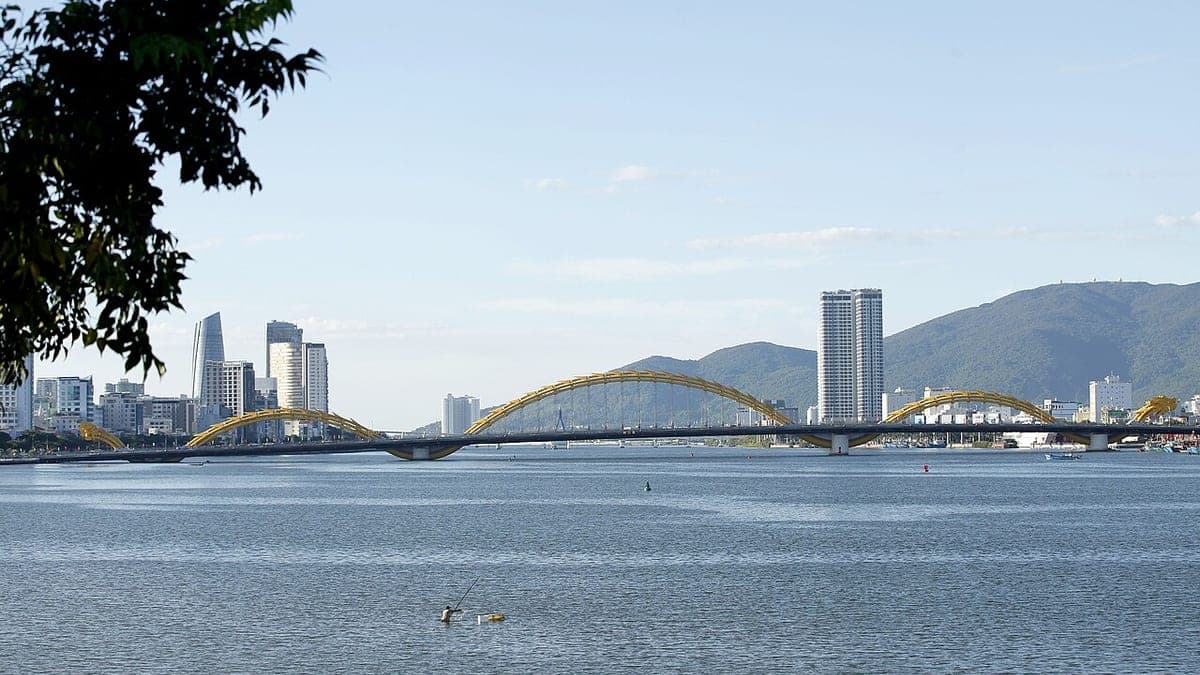
Apply on vietnamemigration.com
Start your Vietnam eVisa here — visa type, travel dates, passenger details, secure payment, and document upload. No need to leave this site for another application page.
Your Vietnam eVisa prints a fixed validity window, entry type, and authorized stay length—not an open-ended hotel checkout you can extend with one click. Many travelers search "extend Vietnam eVisa" after their plans change, assuming the same online portal handles extra days. In most cases it does not. Extensions, when permitted at all, are handled at immigration offices inside Vietnam before your current stay expires, subject to officer approval, supporting documents, and fees paid in local currency.
This 2026 guide explains what you can and cannot extend, where applications are filed, typical costs and timelines, overstay consequences, and the safer alternative: choosing the right eVisa duration and entry type before you fly.
We are a private visa assistance service—not the Government of Vietnam. We help travelers select the correct stay length and visa type at initial filing on /apply. We do not process in-country extensions, submit Form NA5 on your behalf, or override immigration officer decisions.
Quick answer: Vietnam eVisa extension at a glance
| Item | 2026 summary |
|---|---|
| Can you extend online? | Usually no—not via the original eVisa portal or assisted filing site |
| Where extensions happen | Immigration offices in Vietnam (major cities such as Hanoi, HCMC, Da Nang) |
| When to apply | Before your authorized stay expires—overstaying even one day creates legal risk |
| How many extra days? | Officer discretion—do not assume another full 90 days |
| Typical cost (indicative) | Roughly 1,000,000–3,500,000 VND for short tourist extensions—confirm at counter |
| Processing time | Often 3–10 working days; longer around Tet and peak season |
| Safer strategy | Apply for up to 90 days and correct single/multiple entry at initial filing |
| Official vs advice | Extension eligibility is government policy; cost ranges and timelines here are traveler planning guidance |
Best for: Long-stay tourists, remote workers whose plans shifted, families who underestimated trip length, and travelers comparing extension vs exit-and-reapply.
Visa planning note: If you have not entered Vietnam yet, read how to apply for a Vietnam eVisa online and choose duration upfront rather than relying on extension.
What your Vietnam eVisa actually authorizes
Before discussing extensions, understand three dates on your approval PDF—they are not interchangeable.
| Term | What it means | Extension relevance |
|---|---|---|
| Visa validity window | Period during which you may enter Vietnam | Entering after this window is not allowed—even with days "left" on paper |
| Duration of stay | Maximum days you may remain after each entry stamp | This is what extensions attempt to lengthen—if policy allows |
| Entry type | Single (one arrival period) vs multiple (leave and return within validity) | Wrong entry type cannot be fixed by extension—you may need exit and re-entry |
Under Vietnam's current e-visa framework, standard online products authorize stays of up to 90 days . That is the maximum duration available at initial filing on most portals—not a guarantee that an in-country extension will add another 90 days later.
Official policy signal: Vietnamese immigration authorities set permitted stay lengths and extension rules. Planning advice: Treat your printed exit date as a hard deadline until an immigration officer formally approves an extension stamp or slip.
Can you extend a Vietnam eVisa?
Sometimes yes—but never treat it as automatic. Extension eligibility depends on:
- Your visa category (tourist vs business vs other types)
- Your nationality and bilateral agreements
- Whether you have already extended during the same visit
- Your immigration history (prior overstays, violations, work without permits)
- Local office policy and current workload
What extensions do not do:
- They do not reopen the online eVisa portal for a top-up payment
- They do not change your entry port or convert single entry to multiple entry
- They do not authorize employment if you entered on a tourist authorization
- They do not forgive an overstay you already accumulated
Always read the conditions printed on your approval letter and the entry stamp in your passport. If your category explicitly prohibits extension, plan an exit instead.
Can you extend a Vietnam eVisa online?
Usually no. The online e-visa filing is for pre-arrival authorization, not for lengthening a stay after you have entered. Extensions, when permitted, are handled through Vietnamese immigration offices inside the country.
Searches for "extend Vietnam eVisa online" often surface:
- Scam or agent websites claiming instant online extensions
- Confusion with visa exemption rules (different from eVisa extensions)
- Third-party "visa run" packages that are exit-and-reapply services, not true extensions
Official channel: In-country immigration departments. Private assistance (this site): We help at initial application only—see Vietnam eVisa fees and calculator for upfront duration options.
If a website asks you to pay USD by card for an "online extension" without visiting an immigration office, treat it as high risk until you verify it with the local immigration department directly.
Where Vietnam eVisa extensions are handled
Extensions are processed at provincial-level immigration departments—not at airports during departure (except in overstay/emergency situations you want to avoid).
Travelers commonly report filing in:
| City | Region | Planning notes |
|---|---|---|
| Hanoi | North | High volume; arrive early; Vietnamese hotel confirmation letter helps |
| Ho Chi Minh City | South | District 1 area offices see heavy tourist traffic; English signage varies |
| Da Nang | Central | Popular with longer-stay visitors and expat-adjacent neighborhoods |
| Other provincial capitals | Nationwide | Possible if you are already outside major hubs—confirm the office handles tourist extensions |
What to bring to the appointment (baseline checklist):
| Document | Why it matters |
|---|---|
| Original passport | Must match eVisa data exactly |
| Printed eVisa approval PDF | Officers verify entry history against system records |
| Passport photos (4×6 cm) | Often required fresh; studio near immigration offices stock correct sizes |
| Temporary residence declaration (Form NA7 / hotel registration) | Hotels usually register you; Airbnb or informal stays complicate this |
| Extension application (Form NA5 or current equivalent) | Staff provide the latest version—do not rely on outdated PDFs from forums |
| Proof of onward travel | Flight or bus ticket showing intent to depart eventually |
| Extension fee in VND | Card payment is rare on-site—carry cash or confirm bank transfer rules |
| Supporting letter (if applicable) | Medical, family emergency, or employer letter for business categories |
Photocopy everything before you surrender your passport if the office retains it for processing. Hotels need passport copies for registration regardless.
Planning advice: Ask your hotel front desk for a temporary residence confirmation in Vietnamese before you visit immigration. Airbnb hosts vary in willingness to sign forms—factor this into extension planning if you are not in licensed accommodation.
Step-by-step: typical in-country extension flow
Procedures change by city and policy updates. This is the common pattern travelers describe—not a guaranteed script for every office.
- Confirm you are still within authorized stay — Apply before your exit date. Do not wait until the last day if the office requires passport retention for several days.
- Gather hotel registration and Form NA5 — Request help from accommodation; incomplete residence paperwork is a frequent delay.
- Visit the immigration department — Some cities accept walk-ins; others prefer appointments during peak season. Arrive early with copies.
- Submit application and pay fee in VND — Keep the receipt. Fees are set at the counter, not on our website.
- Leave passport (if required) — Processing often takes 3–7 working days; express same-day service exists in some offices when workload allows.
- Collect passport with extension stamp or approval slip — Verify the new exit date and category (tourist vs temporary residence) before you leave the counter.
- Update hotel registration if your stay continues — Mismatched registration dates cause problems at the next extension or at exit.
Ask explicitly: Is this a tourist stay extension or a temporary residence extension? Mixing categories creates exit complications and may affect future eVisa applications.
How long can a Vietnam eVisa extension add?
There is no universal answer. Extra days depend on:
- The officer's discretion at the local office
- Your stated reason (tourism, family, medical—documentation helps)
- Whether you have extended before on the same visit
- Nationality and any applicable bilateral arrangements
- Visa type at entry (tourist extensions differ from business)
Do not assume:
- Another full 90 days automatically
- The same extension length a friend received last month
- That a denied extension can be immediately reapplied with identical documents
Business eVisa holders may need employer letters, invitation letters, or partner company documentation. Tourist extensions rarely require employment proof—but working remotely for foreign clients while on a tourist stay is a legal gray area that extensions do not regularize.
Better planning: If you already know you need 60–90 days, select the maximum authorized duration during initial filing on /apply. Compare products on /fees and nationality rules on /check-requirement.
Vietnam eVisa extension costs and timelines (indicative)
Extension fees are not part of your original eVisa checkout. They are charged separately in Vietnamese dong at the immigration counter and change without notice.
Confirm on the day you file: Extension fees, processing times, and eligibility are decided only at the provincial immigration office handling your case—not by this guide, forums, or third-party agents. Ask for a printed receipt and the officer-stamped exit date before you leave the counter.
| Factor | Indicative range | Notes |
|---|---|---|
| Tourist extension fee | ~1,000,000–3,500,000 VND | Confirm live at the office—forum posts go stale quickly |
| Standard processing | 3–7 working days | Passport may be held during this period |
| Express / same-day | Higher fee when available | Not guaranteed in all offices |
| Peak season / Tet | Longer queues and shorter office hours | Apply 2+ weeks before stay expiry during holidays |
| Agent assistance | Additional service fee | Verify agent is licensed; scams are common |
Official fact: Only the immigration office sets the fee you pay on extension day. Planning advice: Budget the upper end of the range and carry extra VND. Card acceptance is limited—ATMs near immigration offices are often crowded.
For your initial eVisa cost comparison (government $25/$50 plus service fees), see Vietnam eVisa fees and calculator—extensions are a separate budget line.
When a Vietnam eVisa extension is unlikely or refused
Officers may deny extensions if you:
- Already extended once on the same visit
- Worked in Vietnam without a work permit or proper business authorization
- Entered on a visa type that does not allow extension under current rules
- Have an overstay mark or unresolved immigration violation
- Cannot provide valid temporary residence registration
- Show no credible onward travel or reason for the extra days
- Used an agent with forged documents—this creates long-term entry bans
Red flags that trigger scrutiny:
- Frequent back-to-back extensions without exiting
- Mismatch between stated tourist purpose and local activity
- Passport stamps from prior overstays in Vietnam or the region
If refused, repeated DIY attempts without legal guidance rarely help. Consider Vietnam eVisa vs embassy visa for complex long stays.
What happens if you overstay your Vietnam eVisa?
Do not overstay—even one day. Consequences escalate with duration and may include:
| Overstay severity | Possible consequences |
|---|---|
| Short overstay (days) | Daily fines, exit delays, stern warnings |
| Medium overstay (weeks) | Higher fines, potential detention, deportation |
| Long overstay or repeat violations | Entry bans, refused future eVisas, employer complications |
If you realize you will miss your exit date:
- Contact the nearest immigration office immediately—not on departure day at the airport
- Do not rely on unofficial agents promising to "fix" overstays
- Keep records of any fine payment and official letters
- Understand that prior overstays may surface in Vietnam eVisa rejection reasons on future applications
Overstaying is an official immigration violation, not a travel inconvenience you can negotiate at check-in.
Safer alternative: apply for the right duration upfront
The most reliable extension strategy is not needing one. At initial filing:
| Your situation | Recommended upfront choice |
|---|---|
| Fixed 2–3 week holiday | Single entry, standard 90-day product—stay within your actual exit plan |
| 3-month remote work / slow travel | Full 90-day duration selected at application; track exit date carefully |
| Thailand/Cambodia side trip then return | Multiple entry ($50 govt fee)—extension cannot convert single to multiple |
| Family visit of uncertain length | Maximum authorized stay at filing; coordinate with Vietnam eVisa for families and minors for group consistency |
| Possible job interviews | Business eVisa if appropriate—not tourist extension later |
Read Vietnam eVisa processing time and apply 7–14+ days before departure. Do not book non-refundable long-stay accommodation until you hold the approved PDF.
Alternatives when extension is denied or unavailable
Exit Vietnam and apply for a new eVisa
If your single-entry eVisa is fully used or your stay cannot be extended:
- Exit to a neighboring country (Cambodia, Laos, Thailand, etc.)
- Apply for a new eVisa from abroad if your nationality allows online filing
- Re-enter only when the new PDF is approved—processing is not instant
Multiple-entry holders should re-enter on the existing authorization within the validity window instead of applying anew—see Vietnam multiple-entry eVisa guide.
Embassy or consulate visa for complex stays
Long-term work, study, marriage-based residence, or repeated extensions may require an embassy-issued visa or residence card—not repeated tourist extensions. Compare paths in Vietnam eVisa vs embassy visa.
Adjust your itinerary
Sometimes the lowest-risk option is a planned exit on time—even if it disrupts bookings. Overstay fines and future entry bans cost more than a rescheduled flight.
Rejected extensions do not refund your original eVisa fees—see /refund-policy.
Regional tips: Hanoi, Ho Chi Minh City, and Da Nang
Hanoi
- Expect morning queues at major immigration offices
- Bring hotel letters in Vietnamese; English-only printouts slow processing
- Verify third-party agent credentials—unlicensed brokers are a known problem in the north
Ho Chi Minh City
- Offices in central districts see heavy expat and tourist volume
- English communication is more common than in smaller cities—but forms are still Vietnamese
- Plan around rainy season holidays when appointment slots fill
Da Nang
- Popular with travelers who extend once for central coast stays
- Book appointments ahead in peak season (summer, year-end holidays)
- Convenient for exits via Da Nang International Airport if extension fails
Planning advice across all cities: Start the extension process when you still have at least 7–10 days of authorized stay remaining— not 48 hours before expiry.
Common extension mistakes (and how to avoid them)
| Mistake | Consequence | Fix |
|---|---|---|
| Assuming online extension exists | Scams, wasted money, overstay | Use immigration offices only |
| Waiting until last day | Passport held past legal stay | Start 1–2 weeks before expiry |
| No hotel registration | Application rejected | Get NA7 / residence confirmation from accommodation |
| Expecting +90 days | Shorter approval or denial | Plan exit using worst-case shorter extension |
| Working on tourist stay | Denial, fines, deportation risk | Obtain proper work authorization |
| Using unlicensed agents | Forged stamps, entry bans | File directly or verify licensed services |
| Single entry + regional trip | Cannot re-enter after exit | Choose multiple entry at initial filing |
See also 10 Vietnam eVisa mistakes to avoid for errors at the application stage that compound extension problems later.
Families and groups: extension planning notes
If you traveled on a family group eVisa filing:
- Each passport holder must extend individually—there is no family bundle extension
- Children need the same residence paperwork as adults; hotels register minors on parent bookings
- Align extension appointments so the family does not split across different legal exit dates
- For initial family filing guidance, see Vietnam eVisa for families and minors
For visa rules when children travel with you, see Vietnam eVisa for children and families.
Related guides
- Vietnam eVisa requirements guide
- How to apply for a Vietnam eVisa online
- Vietnam eVisa processing time
- Vietnam eVisa fees and calculator
- Vietnam multiple-entry eVisa guide
- Vietnam eVisa vs embassy visa
- Visa FAQ hub
Frequently asked questions
Can you extend a Vietnam eVisa online?
Usually no. Extensions, when available, are handled at immigration offices inside Vietnam before your current stay expires—not through the original eVisa portal or private assistance websites.
How long can a Vietnam eVisa extension add?
Extra days depend on visa type, nationality, and officer discretion. Do not assume another full 90 days—many tourist extensions add a shorter period.
Where do I apply for a Vietnam eVisa extension?
Visit provincial immigration departments in cities such as Hanoi, Ho Chi Minh City, or Da Nang. Confirm current procedures and forms at the office where you will apply.
How much does a Vietnam eVisa extension cost?
Fees are paid in VND at the immigration counter and change by policy. Recent traveler reports often cite roughly 1,000,000–3,500,000 VND for short tourist extensions—always confirm live fees on site.
How long does extension processing take?
Often 3–7 working days; longer around Tet and peak season. Your passport may be retained during processing—plan accordingly.
Can I extend a Vietnam eVisa twice?
Not guaranteed. Officers may refuse a second extension on the same visit, especially without strong supporting reasons or valid registration.
What happens if I overstay my Vietnam eVisa?
Overstaying can lead to fines, deportation, and future entry bans. Contact immigration immediately if you will miss your exit date.
Is it better to extend or apply for a longer eVisa before travel?
Applying for the correct up to 90-day duration and entry type at initial filing is safer than relying on in-country extension. Use /apply before you book non-refundable long stays.
What if my extension is denied?
You may need to exit Vietnam and apply for a new eVisa abroad, pursue an embassy visa for complex stays, or adjust your itinerary before your authorized stay ends.
Can a private visa service extend my eVisa?
No. Private assistance services—including this site—help with pre-arrival applications only. In-country extensions are between you and Vietnamese immigration authorities.
If you have not yet traveled, choose the right stay length now—apply for Vietnam eVisa online or review Vietnam eVisa requirements before you book immovable dates. If you are already in Vietnam, contact the local immigration department immediately while you still have valid stay—not after your exit date passes.
Ready to apply? Use our guided 4-step form on this site.
Apply for Vietnam eVisaRelated Articles
Vietnam eVisa for Children & Families (2026): Group Filing Guide
Complete 2026 guide to Vietnam eVisas for children, infants, and family groups—separate passport rules, group filing for up to 15 travelers, photos, fees, guardianship documents, immigration tips, and common family mistakes.
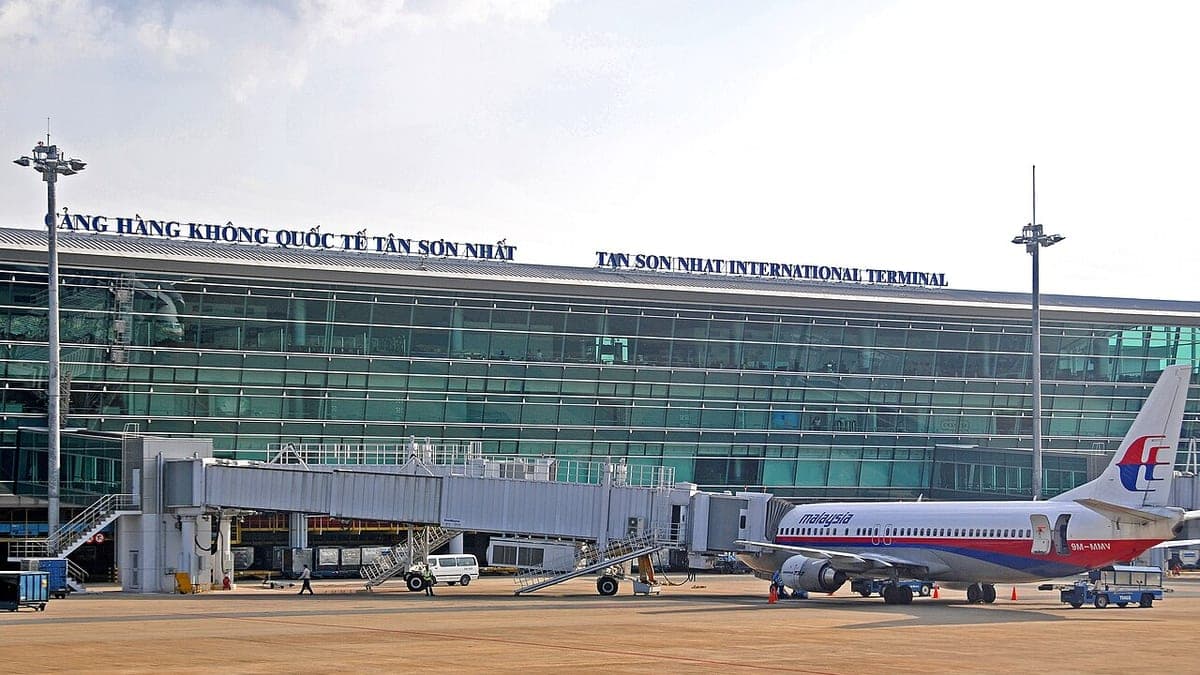
Vietnam Multiple Entry e-Visa 2026 - Ultimate 90-Day Guide
Vietnam multiple-entry eVisa 2026: when single entry fails, real travel plan examples, $25 vs $50 visa fees, how long visas stay valid, re-entry checks at the border, and mistakes that block your second crossing.
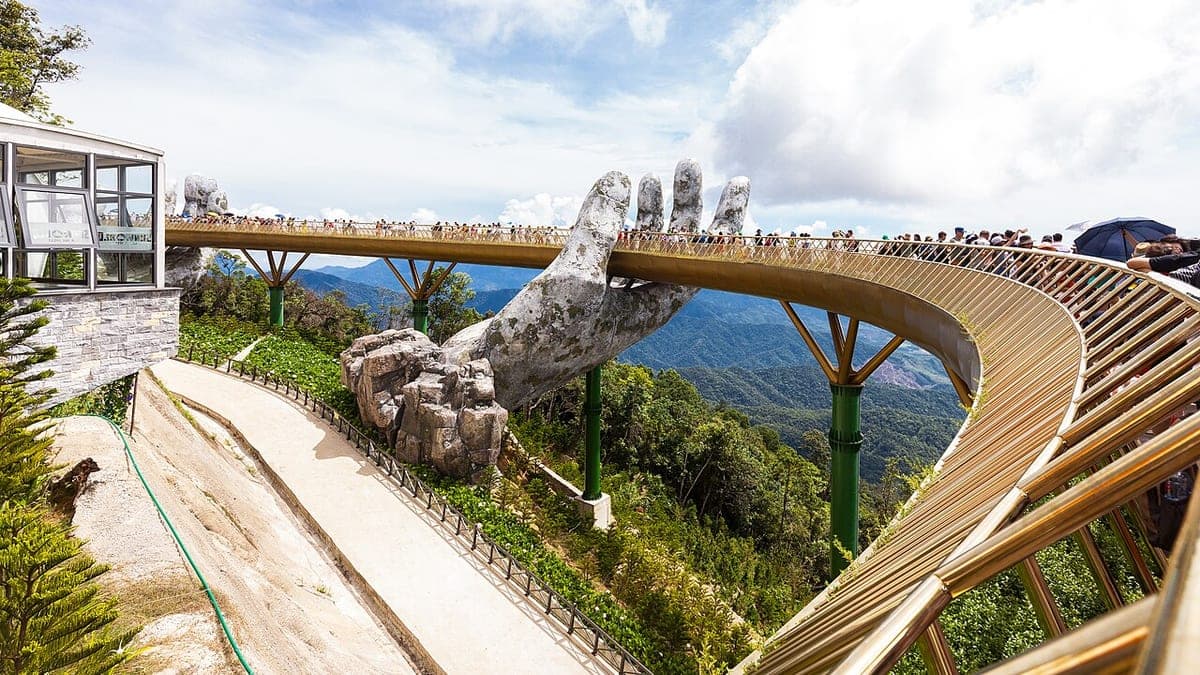
Vietnam eVisa vs Embassy Visa 2026: Cost, Speed & Which Channel to Choose
Vietnam eVisa vs embassy visa in 2026—side-by-side comparison of cost, speed, stay length, multiple entry, entry ports, work and study limits, rejection recovery, and when tourists vs business travelers should choose each channel.