Apply on vietnamemigration.com
Start your Vietnam eVisa here — visa type, travel dates, passenger details, secure payment, and document upload. No need to leave this site for another application page.
If you are planning a family trip to Vietnam in 2026, this guide helps you choose where to go, how long to stay, what to budget in VND, and how to pace days so children stay engaged—not exhausted. Vietnam rewards families who think in short activity blocks, shade-first scheduling, and realistic transfer times rather than trying to see the entire S-shaped coast in one week.
We are a private visa assistance service—not the Government of Vietnam. Entry rules are set by Vietnamese immigration authorities. The destination advice below is general travel planning based on common 2026 routes, costs, and family logistics.
Quick answer: family-friendly Vietnam at a glance
| Factor | Practical summary |
|---|---|
| Best for | Mixed beach + culture weeks; food-curious kids; multi-generational groups |
| Ideal trip length | 8–12 days (one region well); 14+ days (north + central or south add-on) |
| Best seasons | Region-specific—see seasonal section; avoid peak Tet unless pre-booked |
| Budget level | Mid-range affordable; street food keeps daily costs low |
| Access | International flights to HAN (Hanoi), DAD (Da Nang), SGN (Ho Chi Minh City), PQC (Phu Quoc) |
| Who it suits | Toddlers through teens when routes match energy levels |
| Visa planning | Each passport holder—including infants—usually needs an individual Vietnam eVisa; verify Vietnam visa eligibility by country before ticketing |
Visa planning note: Sort entry documents before locking non-refundable hotels and domestic flights. See how to apply for a Vietnam eVisa online, confirm Vietnam eVisa entry ports match your first landing airport, and read Vietnam eVisa for families and minors if anyone in your group is under 18.
Why Vietnam works for families—and where it does not
Vietnam is not a theme-park destination. It is a high-reward, moderate-effort country for families who enjoy street food, boat rides, beaches, and hands-on crafts. Distances between major hubs are manageable by domestic flight or private car; costs in Vietnamese dong (VND) often beat comparable beach weeks in Thailand or Bali at mid-range levels.
Strengths for family travel
- Food flexibility: Rice, noodles, fresh fruit, and grilled proteins appear everywhere; picky eaters can usually find plain options.
- English in tourist corridors: Hoi An, Da Nang, Nha Trang, and Phu Quoc see heavy international traffic—menus and hotel staff often speak basic English.
- Activity variety in small radii: One base can combine beach mornings, craft workshops, and short cultural visits without daily packing.
- Value: Family rooms, street snacks, and museum entries stay modest compared with many developed-market holidays.
Honest limitations
- Traffic and noise: Hanoi and Ho Chi Minh City require constant vigilance with small children near roads.
- Heat and humidity: Central coast summers and southern lowlands punish midday sightseeing without pool or AC breaks.
- Inconsistent accessibility: Strollers struggle on Hanoi Old Quarter pavers and Hoi An flagstone; baby-changing facilities are uneven outside malls and upscale hotels.
- Long transfers: Overnight buses and 6+ hour drives test even resilient teens—fly or split journeys when budget allows.
Choosing wrong is the most common planning mistake: stacking Hanoi, Ha Long, Hoi An, and Phu Quoc into nine days burns two days in airports and leaves everyone irritable. Pick one geographic focus unless you have two full weeks.
Best family destinations in Vietnam by age and style
Hoi An: crafts, lanterns, and stroller-friendly mornings
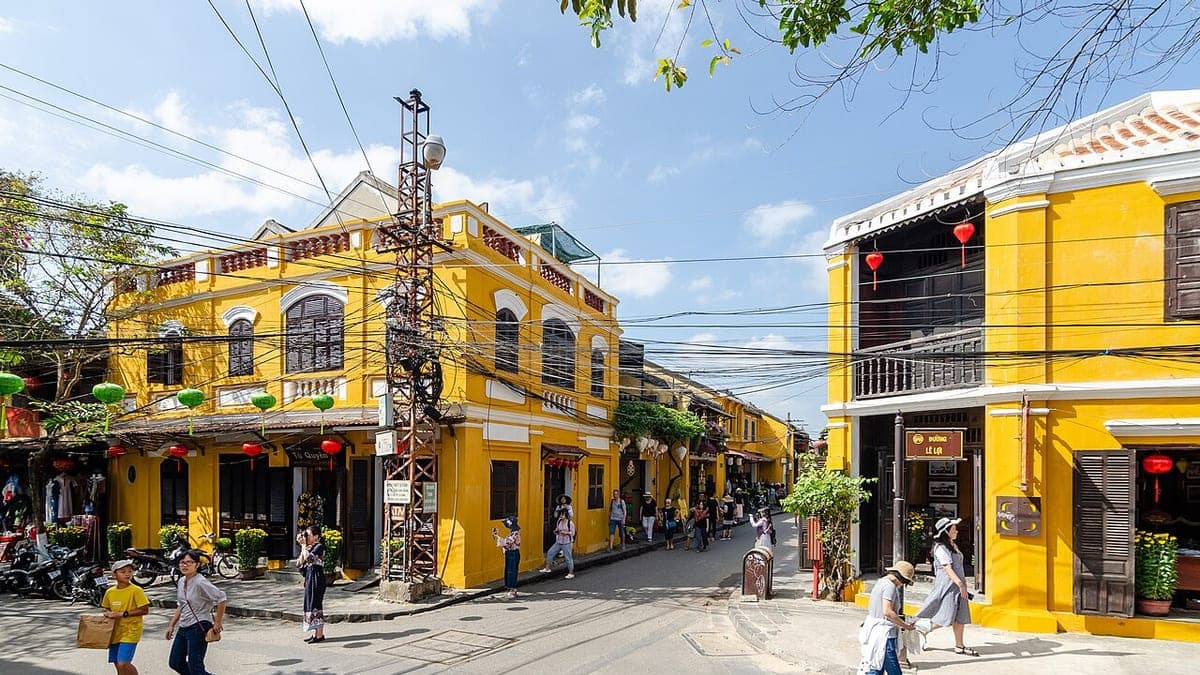
Hoi An remains the strongest all-ages cultural base on the central coast. The old town is pedestrian-focused, flat, and magical after sunset when lanterns glow—but midday heat and crowds make early mornings essential with toddlers.
What works for families:
- Lantern-making and leather stamping workshops (15–45 minutes; confirm VND prices before sitting)
- An Bang or Cua Dai beaches on calmer days—check flags, lifeguards, and jellyfish notices
- Bicycle loops through rice paddies—helmets for everyone; stick to quiet lanes, not highway shoulders
- Cooking classes with shorter kid-friendly versions at several schools
Planning notes:
| Factor | Detail |
|---|---|
| Ideal length | 3–4 nights |
| Best timing | Old town before 9 a.m.; beach after 4 p.m. in hot months |
| Budget | Mid-range family rooms 800,000–2,000,000 VND/night; peak weekends +15–35% |
| Skip when | Your children need wheelchair-grade paths everywhere—some lanes are narrow |
Book family rooms or connecting doubles early for weekend peaks. Pair with Vietnam beach holidays on the central coast planning if sand is a priority.
Da Nang: resort pools plus easy beach days
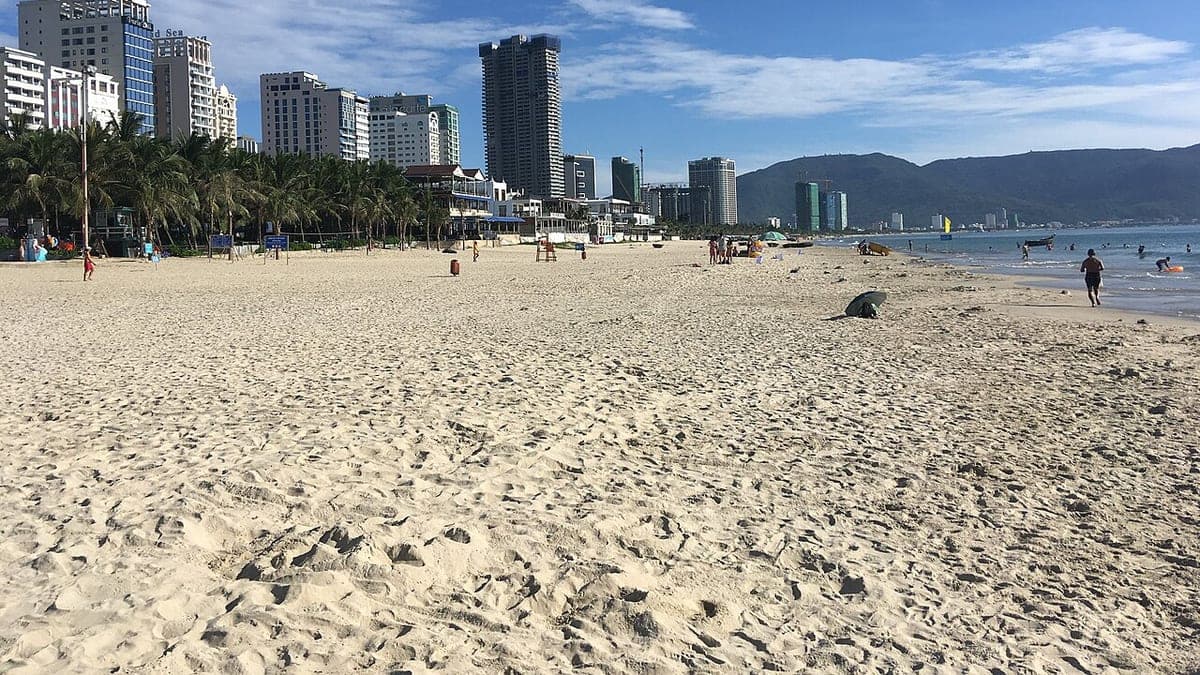
Da Nang delivers My Khe beach, family-oriented resorts, and shorter drives to Marble Mountains or Ba Na Hills than from Hoi An. It suits families who want pool time without sacrificing airport access—Da Nang International Airport (DAD) is 15–25 minutes from beach zones.
Highlights:
- My Khe: Long sandy strip; lifeguard sections in peak season
- Asia Park or Sun World Ba Na Hills: Cable cars and themed areas—allow a full day; check height restrictions for rides
- Marble Mountains: Short climbs and caves—better for school-age kids than toddlers
- Day trip to Hoi An: 30–45 minutes by car—base in Da Nang if flights matter more than old-town evenings
Typical mistake: Treating Ba Na Hills as a quick morning outing. Queue times swell on weekends—go midweek or arrive at opening.
Nha Trang: aquariums, islands, and resort strips
Nha Trang targets families who want full-service resorts, island boat days, and aquarium-style attractions. The beachfront is busier and more commercial than Da Nang, but VinWonders, Tri Nguyen Aquarium, and Po Nagar Cham towers anchor mixed-age days.
Island trips: Prefer half-day snorkel tours over full-day marathons with toddlers. Seas are calmest roughly May–August; autumn storms can cancel boats—build buffer days.
Who it suits: Families flying into Cam Ranh (CXR) who accept a lively city strip in exchange for resort infrastructure.
Da Lat: cool air when the coast feels too hot
Da Lat in the Central Highlands offers milder temperatures, Xuan Huong Lake walks, strawberry farms, flower gardens, and cable-car views without extreme altitude. It is ideal when your itinerary needs a climate reset between beach blocks or when children struggle with coastal humidity.
Caveats: Mountain roads from the coast wind for hours—private car with motion-sickness prep beats cramped shuttle buses with young kids. Allow 2–3 nights, not a day trip from Nha Trang unless everyone tolerates long drives.
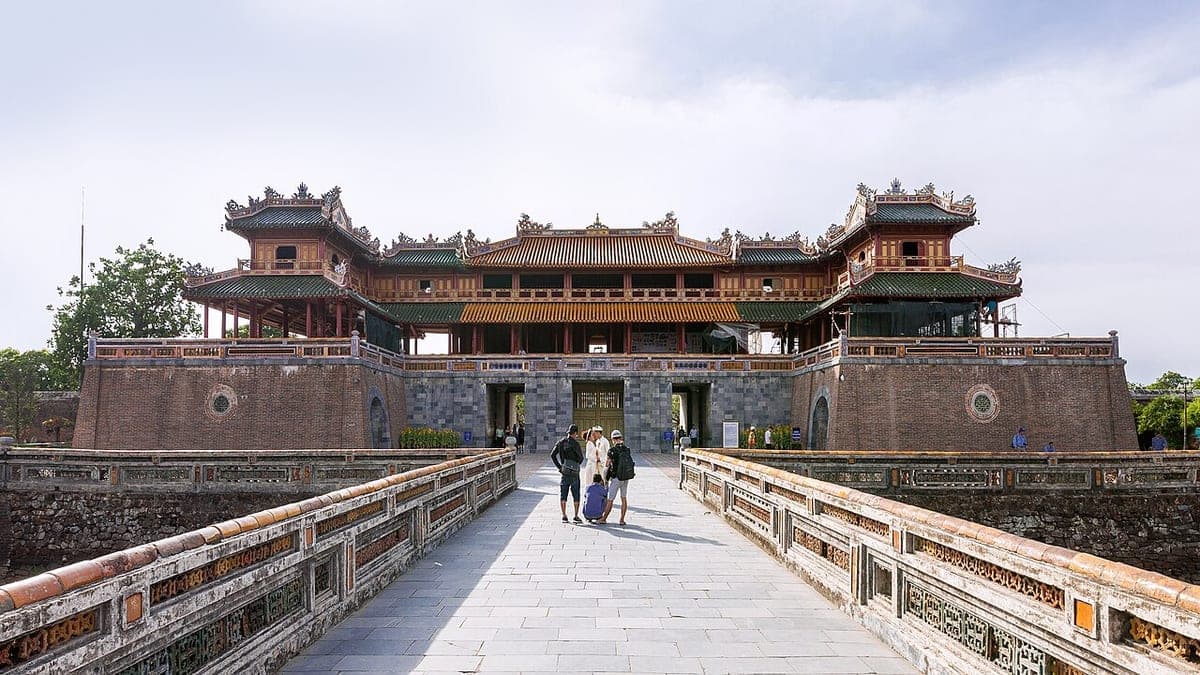
Hanoi: culture in 60–90 minute blocks
Hanoi rewards families who treat the capital as short bursts, not an all-day march. The Old Quarter overwhelms toddlers in afternoon heat and rush-hour motorbike noise.
Kid-friendly anchors:
- Water puppet theatre—book ahead for English-subtitle shows; see Vietnamese music, arts, and culture for timing context
- Temple of Literature—compact, shaded courtyards
- Hoan Kiem Lake loop with ice-cream stops
- Vietnam Museum of Ethnology—outdoor houses to explore
Day trips when rested:
- Ninh Binh (Trang An or Tam Coc boat rides)—2 hours south; life jackets provided on regulated routes
- Ha Long or Lan Ha Bay overnight cruises—choose family cabins and shorter 2D1N routes over marathon party boats
First-time mistake: Walking the Old Quarter at noon in July with a stroller. Start at 7 a.m., retreat to AC by 11 a.m.

Phu Quoc: southern beach week with minimal culture pressure
Phu Quoc suits families who want resort beaches, night markets, and minimal logistics after a long international flight. Domestic flights from Ho Chi Minh City or seasonal Hanoi links make it a strong south-only or second-week add-on.
Allow 4–7 nights—shorter stays lose time to airport transfers. Combine with best islands in Vietnam comparisons if you are debating Phu Quoc versus central coast beaches.
Ho Chi Minh City: better for teens than toddlers
Saigon offers war history museums, Cu Chi tunnels (claustrophobic sections skippable), and street-food tours—strong for curious teens. With toddlers, limit to one museum morning plus Ben Thanh Market snacks, then escape to a District 7 mall or pool hotel. Traffic stress exceeds Hanoi for some parents—do not stack multiple indoor sites in one day without breaks.
Seasonal planning: there is no single "best month"
Vietnam spans more than 1,000 km north to south—weather that suits Da Nang may fail in Hanoi.
| Region | Stronger months for families | Watch-outs |
|---|---|---|
| North (Hanoi, Ninh Binh) | March–April, October–November | Summer heat + storms; winter drizzle Dec–Feb |
| Central (Hoi An, Da Nang) | March–August (beach focus) | Sep–Dec typhoon risk pauses boats and floods old town |
| South (Phu Quoc, Saigon) | November–April (drier) | April–May heat spikes; Tet crowds Jan/Feb (lunar calendar) |
| Highlands (Da Lat) | Year-round mild; pack layers | Rainy afternoons Jun–Sep |
Tet (Lunar New Year): Festive atmosphere but closed shops, surge pricing, and fully booked trains/flights. Wonderful for older children interested in culture; stressful for first-time visitors without advance bookings.
Sample family routes that actually work
8-day central coast (best first trip with kids)
| Days | Base | Focus |
|---|---|---|
| 1 | Da Nang | Arrive DAD, pool and beach acclimation |
| 2 | Da Nang | Marble Mountains or light city morning |
| 3–5 | Hoi An | Crafts, old town dawn walks, An Bang beach |
| 6 | Da Nang | Ba Na Hills or slow beach day |
| 7 | Da Nang | Souvenir market, early night |
| 8 | Fly out DAD | Morning swim, depart |
Open-jaw tip: Fly into DAD, out of DAD—or HAN → DAD if starting north is unavoidable, but avoid round-tripping through Hanoi on a short week.
10-day north culture plus central beach
| Days | Base | Focus |
|---|---|---|
| 1–3 | Hanoi | Puppet show, ethnology museum, short Old Quarter loops |
| 4 | Ninh Binh | Boat day, early night |
| 5 | Fly/train to Da Nang | Transfer day—book afternoon flights with buffer |
| 6–8 | Hoi An / Da Nang | Beach, crafts, lanterns |
| 9 | Da Nang | Flexible weather day |
| 10 | Depart DAD |
12–14 day north, central, and optional south
Add Da Lat (3 nights) between coast blocks for climate variety, or fly DAD → PQC for a 4-night Phu Quoc finale. Only attempt this with teenagers or seasoned travel kids—toddlers need fewer bases.
Daily pacing: the difference between a great trip and a meltdown
Families who succeed in Vietnam under-schedule compared with adult-only itineraries.
Morning (7–11 a.m.): Outdoor culture, markets, or beach—heat is lowest, crowds thinner.
Midday (11 a.m.–3 p.m.): Pool, hotel rest, or air-conditioned café—non-negotiable with toddlers in summer.
Late afternoon (4–6 p.m.): Second light outing—lantern strolls, short temple visits.
Evening: Early dinners; night markets with one goal (dessert walk, not full shopping marathon).
Transport between cities: Prefer flights under 90 minutes (HAN–DAD, DAD–SGN, SGN–PQC) over 12-hour trains with young children unless your kids love rail travel. Overnight sleeper cars can work with school-age children; they rarely suit first-time toddler trips.
Food, health, and safety essentials
Eating with children
- Choose busy stalls with high turnover; point at ingredients when language fails.
- Carry hand sanitiser; peel fruit when unsure of washing water.
- Mild options: pho (plain broth), com (rice plates), banh mi (customise fillings), smoothies.
- Allergies: Peanut and shellfish appear often—learn basic Vietnamese phrases or use translation cards.
Health kit
- Sunscreen, hats, rash guards for beach blocks
- Insect repellent for Ninh Binh, Mekong, and dusk outdoor dining
- Rehydration salts and familiar fever medicine from home
- Motion-sickness tablets for Ha Long bays and mountain roads
Safety realities
- Roads: Hold hands; one adult leads, one trails at crossings.
- Water: Swim only in flagged zones; currents and jellyfish vary by season.
- Scooters: Family rides without helmets are common locally—not recommended for tourists with children.
- Emergency numbers: Save Vietnam emergency contacts on every phone.
Official health guidance for vaccinations and malaria risk lies with government health agencies in your home country and WHO—consult your clinician before travel.
Budget planning in VND for families
Costs below exclude international flights and visa fees—they reflect typical on-ground spending for two adults and two children at mid-range comfort in 2026.
| Expense | Typical range (VND) | Notes |
|---|---|---|
| Street snack (per person) | 35,000–80,000 | Fruit shakes at upper end |
| Sit-down family meal | 300,000–800,000 | Shared dishes model |
| Museum adult | 30,000–100,000 | Child fares often half or free—ask at gate |
| Grab urban ride | 40,000–120,000 | Surge during rain |
| Private car day (4–6 hrs) | 800,000–1,500,000 | Worth it for Ninh Binh with car seats negotiated ahead |
| Mid-range family room | 800,000–2,500,000/night | Peak weekends +15–35% in Hoi An/Da Nang |
| Domestic flight (per person) | 600,000–2,000,000 | Book early for school holidays |
Daily total: Many families land at 2,500,000–5,000,000 VND all-in on the ground at mid-range—less if street-food heavy; more with theme parks and premium resorts.
Carry cash in small notes for markets, tips, and rural day trips; cards work at larger hotels and malls. See Vietnam currency and exchange for ATM and card tips.
What to pack—and what to buy there
Bring from home:
- Refillable bottles, lightweight rain ponchos (central coast May–October)
- Travel booster or compact car seat if transfers matter
- Prescription medicines in original packaging
- Printed eVisa per person—airlines sometimes request at check-in
- Offline maps on two phones; kid entertainment for transfer days
Buy in Vietnam:
- Sunscreen (check brands), hats, flip-flops, inexpensive toys for beach days
- SIM data at airport kiosks—setup before Grab rides from terminals
Common family travel mistakes in Vietnam
- One eVisa assumption for children—each passport usually needs its own approval.
- Wrong entry port on tickets—match airport codes to your eVisa authorization before paying for flights.
- Midday Old Quarter walks in summer—schedule dawn or dusk instead.
- Full-day island tours with toddlers—half-days with nap windows win.
- Overnight bus stacking—flies cost more but preserve sanity.
- Ignoring typhoon season on central coast—build weather buffer days in September–December itineraries.
- Booking tight domestic connections—Vietnam's airlines can delay; separate tickets with 3+ hour gaps reduce risk.
Review common Vietnam eVisa mistakes so document errors do not compound itinerary stress.
Vietnam eVisa and entry planning for families
Official policy reminder: Visa rules are set by Vietnamese immigration authorities. Requirements vary by nationality, passport type, and visa category—always verify via our nationality checker or a current Vietnam eVisa requirements guide before paying for non-refundable trips.
Practical steps for family groups:
- Verify eligibility for every passport—including infants—via check requirement.
- Apply early: Processing windows shift with volume; see Vietnam eVisa processing time and submit at least one week before departure, longer in peak season.
- Photos per child: Infant and toddler portraits must meet the same technical rules—read Vietnam eVisa photo requirements before uploading.
- Group checkout: Up to 15 travellers can share one payment session; each still needs individual scans. Details in Vietnam eVisa for families and minors.
- Fees: Government tiers apply per passport, not per household—Vietnam eVisa fees explained breaks down standard costs.
- Entry port: Your approval lists authorized airports or land borders—confirm against Vietnam eVisa entry ports when booking HAN, DAD, SGN, or PQC arrivals.
- Multiple entry: Side trips to Cambodia or Thailand need the correct visa type—see the Vietnam multiple-entry eVisa guide.
- Embassy alternative: Unsure if eVisa fits your case? Compare Vietnam eVisa vs embassy visa.
At immigration, carry:
- Printed eVisas and passports for every traveller
- Birth certificate copy if parent surnames differ from child's
- Airline-required consent letter when one parent travels alone—airline policy, not always immigration, but check-in staff enforce it
Private assistance note: We help families prepare complete applications and avoid common upload errors—we are not the Government of Vietnam. Final approval rests with immigration authorities.
Festivals, markets, and cultural extras worth timing
If your dates flex, light cultural overlap delights school-age children without overwhelming toddlers:
- Mid-Autumn Festival: Lanterns and mooncakes—family-oriented atmosphere in urban areas
- Hoi An full moon nights: Electric-free old town glow—crowded but memorable
- Weekend night markets: Da Nang and Phu Quoc offer food-forward strolls
See Vietnamese festivals and cultural celebrations for lunar-calendar timing. Avoid unbooked Tet travel unless you enjoy logistical puzzles.
Shopping with teens? Vietnam shopping and markets guide covers bargaining etiquette and what to skip with impatient younger siblings in tow.
Frequently asked questions
Is Vietnam safe to travel with children in 2026?
Many families visit successfully every year. The main urban risks are traffic and heat, not violent crime in tourist corridors. Use ride-hailing apps, choose busy food vendors, carry a small first-aid kit, and pace days conservatively. Each child with their own passport typically needs their own eVisa—never assume a parent’s approval covers minors.
What are the best places in Vietnam for families with toddlers?
Hoi An (early-morning old town), Da Nang (My Khe beach and resort pools), and Da Lat (lake walks) are the gentlest trio. Phu Quoc works for resort-centric toddlers who nap predictably. Defer Ha Long overnight cruises, Cu Chi tunnels, and multi-day trekking until children are older or proven travellers.
How much should I budget per day for a family in Vietnam?
Street snacks often run 35,000–80,000 VND; museums commonly stay under 100,000 VND per adult with reduced child fares at many gates. Mid-range families frequently spend 2,500,000–5,000,000 VND per day on the ground excluding international flights—less with street-food-heavy meals, more with theme parks and four-star resorts.
How do I apply for Vietnam eVisas for children?
Most children with their own passport need individual eVisas with separate photos and passport scans. Group applications can include up to 15 travellers in one checkout. Start with Vietnam eVisa for families and minors and children visa FAQ.
How many days do families need in Vietnam?
One week suits a focused Da Nang + Hoi An week or Hanoi + Ninh Binh culture block. Ten to twelve days allow north-to-central routing without daily pack-outs. Fourteen days adds Phu Quoc or Da Lat without rushing—ideal when travelling with mixed ages.
What is the best time to visit Vietnam with kids?
Match season to region, not countrywide averages. Central beaches favour March–August; the south is often drier November–April; Hanoi is most comfortable in spring and autumn. Build rain buffers on central coast trips between September and December.
Can families use Grab and taxis in Vietnam?
Yes in major cities. GrabCar reduces fare disputes after long sightseeing days. Car seats are rarely provided—bring a travel booster if needed. For airport arrivals with lots of luggage, pre-book a private van through your hotel.
Is Vietnamese street food safe for children?
Busy stalls with high turnover are generally safer than empty counters. Start with cooked dishes and peeled fruit; carry sanitiser. Escalate gradually—children’s stomachs adapt at different speeds. Bottled water and boiled drinks are standard precautions.
Do we need travel insurance for a family trip to Vietnam?
Insurance is not an official visa requirement for most nationalities but is strongly advisable for medical evacuation, trip delay, and activity coverage—especially on boat tours and motorbike-adjacent cities. Policies vary; read water-sport exclusions before buying.
Can grandparents join a Vietnam family trip on the same eVisa application?
Yes—group applications can include multiple adults and children in one payment session when each traveller has eligible nationality and complete documents. Grandparents still need individual approvals tied to their own passports.
Closing summary
Family-friendly Vietnam in 2026 rewards planners who match destination to age, season to region, and pace to nap schedules. Hoi An and Da Nang remain the easiest first-trip combination; Hanoi and Ninh Binh add culture when children tolerate shorter walking blocks; Phu Quoc and Nha Trang deliver beach weeks with resort infrastructure; Da Lat cools down overheated itineraries.
Before you pack snorkels and sunscreen, confirm eligibility, entry ports, and per-child eVisas—document mistakes cancel holidays faster than rain on a beach day. Apply early, carry printed approvals, and keep one weather-flex day per week.
When avoiding application errors matters—wrong photos, mismatched ports, or group upload confusion—private assistance can streamline review before authorities see your file. We are a private visa assistance service, not the Government of Vietnam.
Check your Vietnam visa requirements once your route is sketched—or apply for your Vietnam eVisa when every passport in the family is ready for upload.
Related travel guides
Ready to apply? Use our guided 4-step form on this site.
Apply for Vietnam eVisaRelated Articles
Vietnam eVisa for Children & Families (2026): Complete Group Application Guide
Complete 2026 guide to Vietnam eVisas for children, infants, and family groups—separate passport rules, group filing for up to 15 travelers, photos, fees, guardianship documents, immigration tips, and common family mistakes.
Vietnam Multiple Entry e-Visa 2026 - Ultimate 90-Day Guide
Vietnam multiple-entry eVisa 2026: when single entry fails, real travel plan examples, $55 vs $80 visa fees, how long visas stay valid, re-entry checks at the border, and mistakes that block your second crossing.
Why Vietnam eVisas Get Rejected in 2026: Top Reasons and How to Fix Them
Top Vietnam eVisa rejection reasons in 2026—document quality, passport data mismatches, eligibility issues, duplicate applications—and exactly what to fix before you reapply or fly.