Apply on vietnamemigration.com
Start your Vietnam eVisa here — visa type, travel dates, passenger details, secure payment, and document upload. No need to leave this site for another application page.
If you are landing in Hanoi and want real island time—not just a half-day bay photo stop—this guide helps you choose which Vietnamese island fits your dates, budget, and transport tolerance. Vietnam’s islands sit in three distinct marine zones: limestone archipelagos in the Gulf of Tonkin, snorkel-friendly islets off the central coast, and long sandy reserves in the south. Each cluster demands different ferries, flights, seasons, and trip lengths.
We are a private visa assistance service—not the Government of Vietnam. Ferry schedules, marine park fees, and beach safety rules are set by local operators and authorities. We help travellers prepare entry documents; the planning advice below is general travel guidance based on common 2026 routes and costs quoted in Vietnamese dong (VND).
Quick answer: best Vietnam islands at a glance
| Island / group | Best for | Ideal length | Best season | Budget (mid-range/day) | Access from Hanoi |
|---|---|---|---|---|---|
| Cat Ba + Lan Ha | Karst kayaking, hikes, bay cruises | 2–4 nights | Mar–May, Sep–Nov | 800,000–1,800,000 VND | Bus + ferry (~3–4 hrs); no flight needed |
| Cu Lao Cham | Snorkel day trip or homestay | 1–2 nights | May–Aug (calmer seas) | 600,000–1,200,000 VND | Fly/train to Da Nang, base in Hoi An |
| Phu Quoc | Resort beaches, markets, families | 4–7 nights | Nov–Apr (drier south) | 1,000,000–2,500,000 VND | Fly HAN→PQC or HAN→SGN→PQC |
| Con Dao | Diving, turtles, quiet beaches | 3–5 nights | Nov–Apr | 1,200,000–3,000,000 VND | Fly HAN→SGN→VCS (limited seats) |
| Ly Son (bonus north) | Volcanic cliffs, garlic farms, crowds off-season | 2 nights | Mar–Sep | 500,000–1,000,000 VND | Train/bus to Quang Ngai + ferry |
| Co To (bonus north) | Remote sands, few tourists | 2–3 nights | Apr–Sep | 600,000–1,200,000 VND | Bus to Quang Ninh + ferry (seasonal) |
Visa planning note: Islands are inside Vietnam—your Vietnam eVisa or other approved entry document covers all domestic travel once you have entered the country. Verify Vietnam visa eligibility by country and confirm your Vietnam eVisa entry port matches your first international landing before booking non-refundable ferries or island resorts.
How Vietnam's islands differ by region
Vietnam is an S-shaped coast, not a single beach belt. Island quality, water clarity, and logistics change sharply by latitude:
- Gulf of Tonkin (north): Dramatic limestone karsts, cooler winter air, and ferry-dependent access. Water is not Caribbean-blue but the scenery is unmatched. Ideal for travellers based in Hanoi who want islands without flying south.
- Central coast: Smaller protected islets with snorkelling and fishing villages. Seasonal—autumn typhoon tracks can shut boats for days. Best combined with Hoi An, Da Nang, or Hue.
- Southern marine frontier: Phu Quoc (Gulf of Thailand) and Con Dao (South China Sea) deliver warmer water, longer beaches, and flight-dependent itineraries. Worth the hop if you have a full week for the south.
Choosing wrong is the most common mistake: booking Phu Quoc for a three-day Hanoi add-on burns two days in airports. Conversely, skipping south entirely when you have ten days leaves Vietnam's best sand and diving unexplored.
Cat Ba Archipelago and Lan Ha Bay
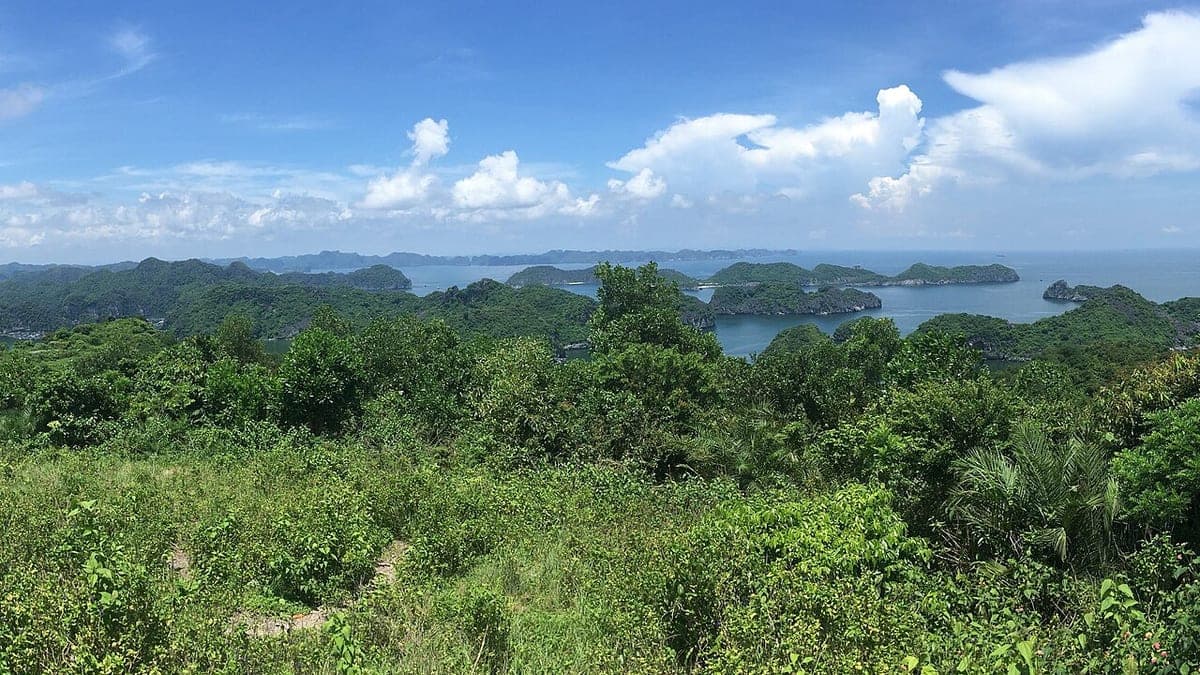
Cat Ba is the heavyweight northern choice. The island town sits at the edge of Cat Ba National Park, with trails, viewpoints, and beaches that reward two to four nights. Most visitors pair land time with a Ha Long Bay or Lan Ha Bay cruise—Lan Ha is the quieter sibling on Cat Ba's south flank, with fewer mega-junks and stronger kayaking.
How to reach Cat Ba from Hanoi
| Route | Duration | Typical cost (VND) | Notes |
|---|---|---|---|
| Bus to Hai Phong + Got ferry | 3–4 hours door to pier | 150,000–250,000 bus; 80,000–120,000 ferry | Most common; book ferry times ahead on weekends |
| Private transfer + speedboat | 2.5–3 hours | 1,500,000–3,000,000 per car | Faster; worth it for tight schedules |
| Organised cruise (Hanoi pickup) | 2–3 days | 1,500,000–4,000,000+ per person | Includes bay meals and kayaking |
Got Pier (Phà Gót) and Tuan Chau (Ha Long side) are the main ferry gateways. Weekend traffic from Hanoi escapees fills morning sailings—arrive early or book online where operators allow it.
What to do on Cat Ba
- Cat Ba National Park: Forest trails to Ngu Lam Peak and Hospital Cave (a wartime field hospital inside the mountain). Park entry often runs 60,000–80,000 VND.
- Lan Ha kayaking: Paddle through floating villages and narrow karst channels. Half-day rentals or cruise-included sessions are standard.
- Beaches: Cat Co 1, 2, 3 coves are walkable from town; weekends get loud. Quieter options exist on the island's east and south rims—ask your hotel about scooter access.
- Overnight cruises: One-night trips suit checklist travellers; two-night routes reach quieter moorings. Ask about passenger caps, engine policies, and whether kayaking is included or extra. Budget 1,500,000–4,000,000 VND per person depending on cabin class.
Cat Ba: who it suits and realistic pros/cons
Best for: Hanoi-based travellers, photographers, kayakers, and anyone who wants limestone drama without flying to the south.
Pros: No domestic flight required from Hanoi; strong national park hiking; cruises deliver iconic Vietnam imagery.
Cons: Water clarity is moderate—not top snorkelling. Winter northeast monsoon (roughly November–February) brings chop that delays ferries and cruises. Town development is mixed; pick eco-minded operators.
Typical mistake: Booking a one-night cruise and Cat Ba hiking in a single two-day weekend—you will rush both. Allow three nights minimum.
Cu Lao Cham (Cham Islands) from Hoi An
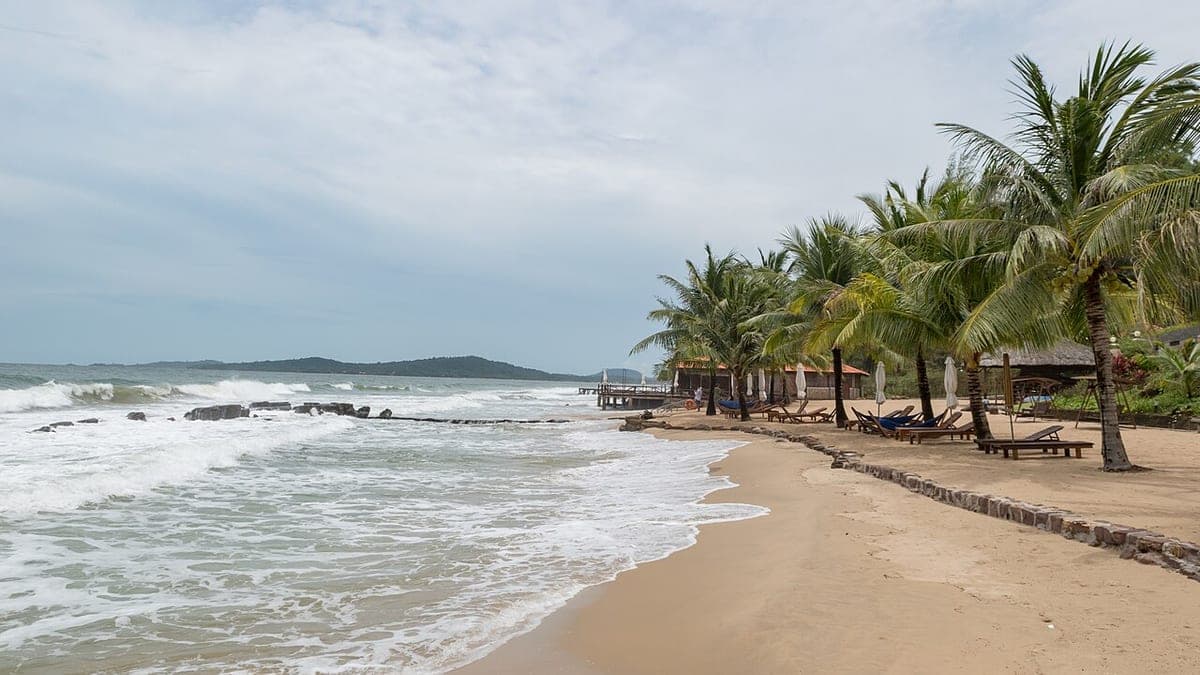
Cu Lao Cham is a marine protected area fifteen kilometres off Hoi An. Unlike Cat Ba's scale, Cham is a day-trip or short homestay destination—clearer water for snorkelling, coral gardens, and regulated beaches with fishing-village meals.
Getting to the Cham Islands
Speedboats leave from Cua Dai or central Hoi An piers. Crossing time is usually 30–45 minutes when seas cooperate. Operators run morning departures with afternoon returns; overnight homestays on Bai Huong or Bai Lang villages let you see the island after day-trippers leave.
Marine and pier fees often total 50,000–200,000 VND—carry small notes. Confirm last return boats; afternoon wind and chop frequently delay departures, especially outside the calmer May–August window.
Cham Islands: planning essentials
| Factor | Detail |
|---|---|
| Ideal trip length | 1 day (snorkel tour) or 1–2 nights (homestay) |
| Best season | May–August for calmer central seas; check weekly forecasts always |
| Worst season | September–December—autumn storms pause boats for days |
| Budget | Day tours from 400,000–800,000 VND; homestays 200,000–400,000 VND per night plus meals |
| Who it suits | Central-coast itineraries, snorkellers, culture + beach combos |
Snorkelling note: Coral is recovering from past pressure—float fins above reefs, do not stand on coral heads, and follow guide instructions. Marine park rules are enforced locally; fines and tour cancellations apply for violations.
Route logic: Base in Hoi An or Da Nang, not Hanoi. Fly or train to Da Nang International Airport (DAD)—confirm it matches your Vietnam eVisa entry port if DAD is your first landing in Vietnam.
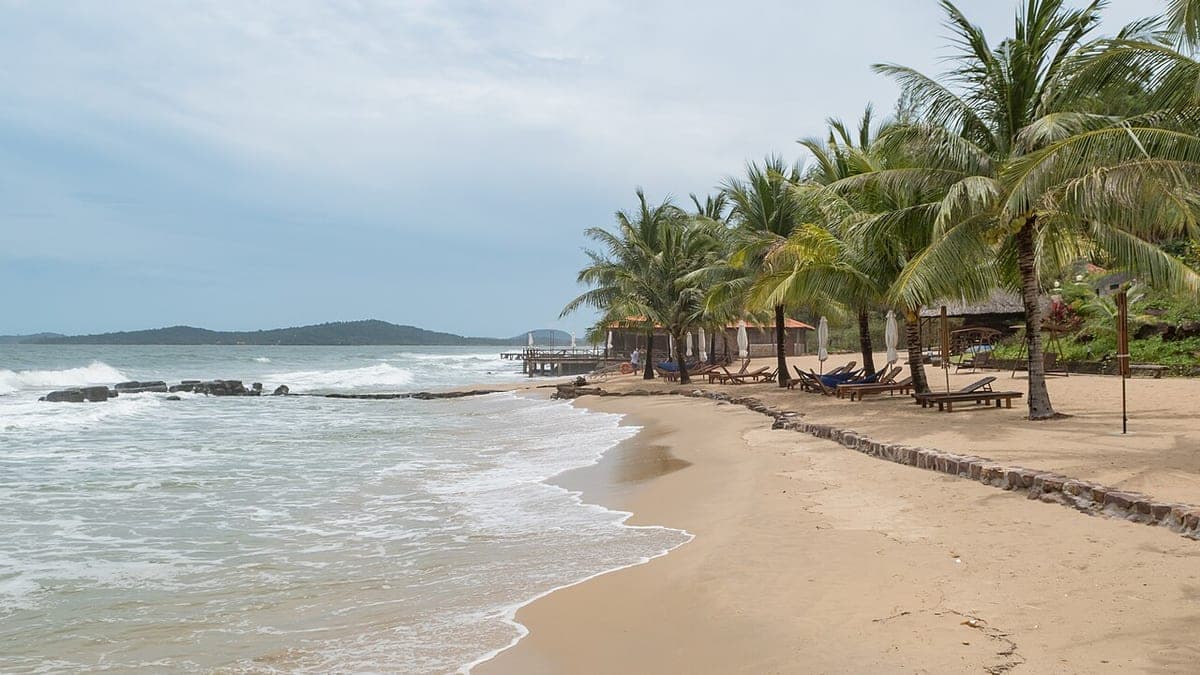
Phu Quoc: beaches, pepper farms, and night markets
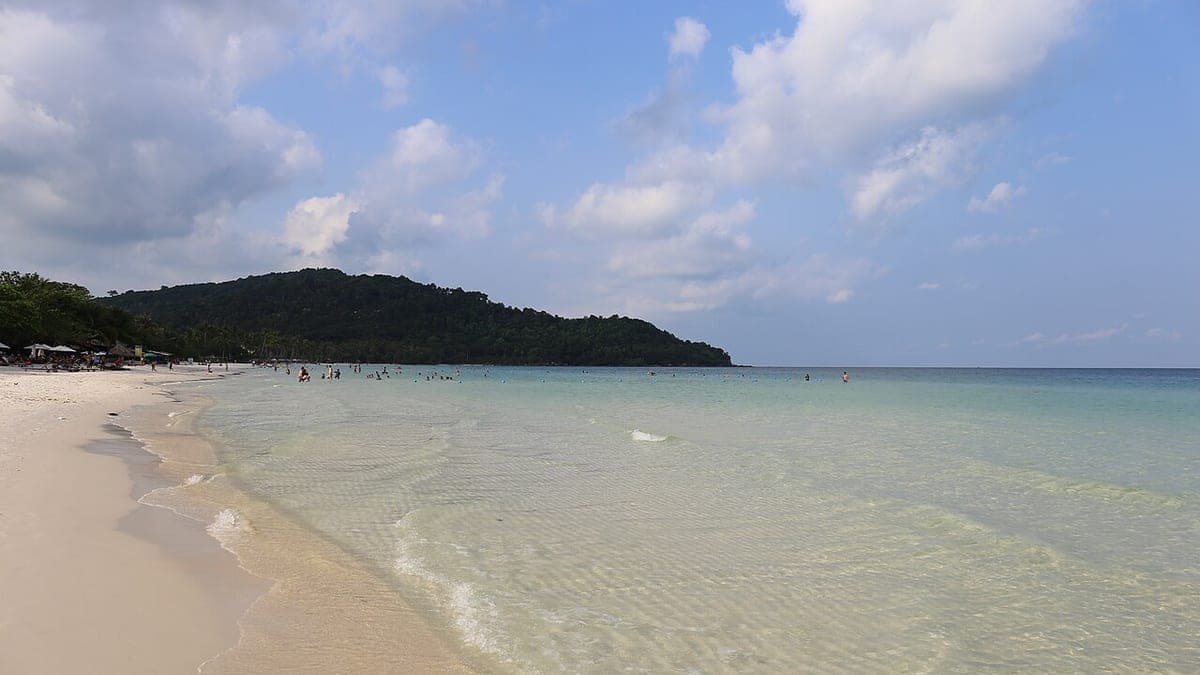
Phu Quoc is Vietnam's largest island—a southern beach week destination with domestic flights from Ho Chi Minh City (SGN) and seasonal links from Hanoi (HAN). Resort strips line the west coast; the interior hides pepper plantations, fish-sauce warehouses, and Phu Quoc National Park trails.
How to reach Phu Quoc
- Flights: Phu Quoc International Airport (PQC) receives daily services from SGN (≈1 hour) and less frequent HAN routes (≈2 hours). Book early for Tet and summer holiday peaks.
- Ferry (alternative): Ha Tien or Rach Gia ferries reach the island—slower, scenic, and useful for overland travellers from Cambodia, but most international visitors fly.
What to do on Phu Quoc
- Long Beach (Bai Truong): Broad sunset sands near Duong Dong town; resorts and cafés line the strip.
- Sao Beach and southern coves: Whiter sand, busier midday—arrive early.
- Duong Dong Night Market: Grilled seafood priced by weight in VND—confirm totals before cooking. A full meal often runs 150,000–350,000 VND per person.
- Snorkel and dive day boats: Southern islets and An Thoi archipelago trips; pair with our Vietnam diving destinations guide if scuba is on your list.
- Inland: Pepper farm tours (50,000–100,000 VND), Dinh Cau temple at the harbour, and prison museum history for context.
Phu Quoc: who it suits and realistic pros/cons
Best for: Families, resort travellers, first-time beach weeks, and anyone wanting easy logistics with frequent flights.
Pros: Long beaches, strong food scene, year-round warmth, good airport access.
Cons: Rapid development—some beaches feel commercial. Rainy afternoons occur even in "dry" season. Not a solitude island; crowds peak on domestic holidays.
Ideal length: 4–7 nights. Shorter than four nights and you spend disproportionate time on transport.
Budget (mid-range, excluding flights): 1,000,000–2,500,000 VND per day for meals, scooter rental, and activities. Luxury resorts push higher; hostel and guesthouse travellers can spend less.
Con Dao: national park, history, and frontier diving
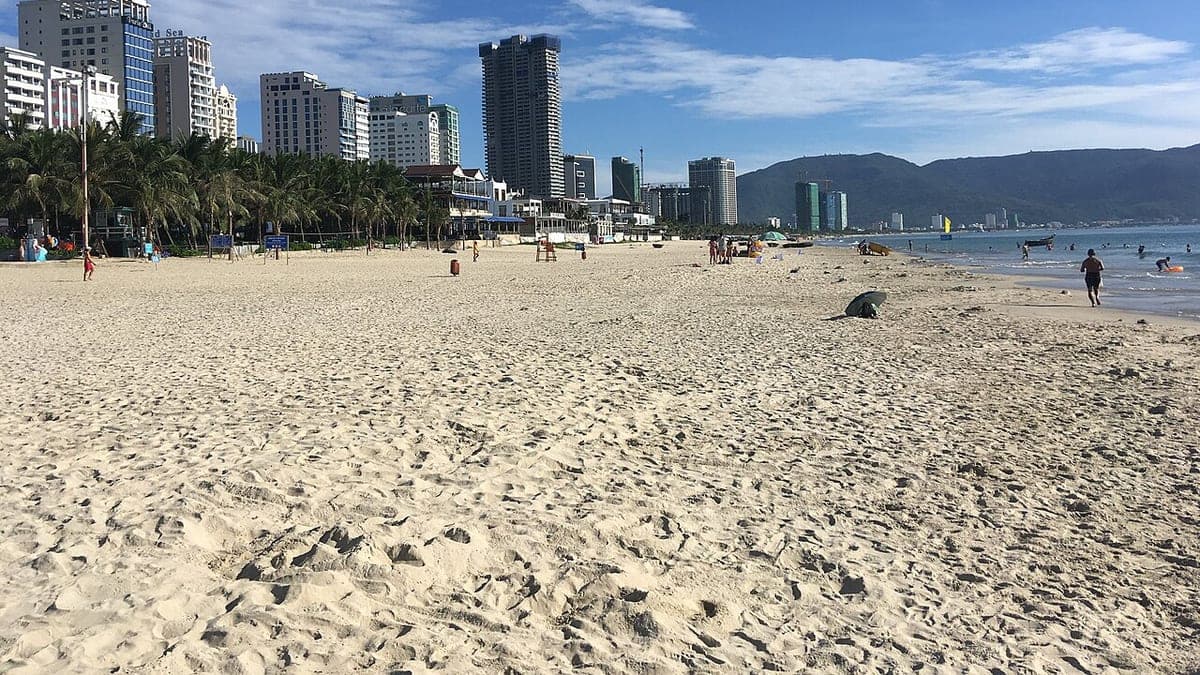
Con Son—the main inhabited island of the Con Dao archipelago—feels like a different country from Phu Quoc. Limited flights preserve a slower tempo. Con Dao National Park protects forests, turtle nesting beaches, and offshore dive sites around Hon Bay Canh and neighbouring islets.
How to reach Con Dao
Con Dao Airport (VCS) receives flights from SGN (≈1 hour)—typically one to three daily services depending on season. There is no practical ferry for most international travellers. From Hanoi, route HAN → SGN → VCS and allow buffer nights in HCMC if connections are tight.
What to do on Con Dao
- Beaches: Dam Trau, An Hai, and Lo Voi offer quiet sand; currents vary—ask locally before swimming alone.
- Diving and snorkelling: Licensed operators run park-compliant trips; visibility and currents change daily. Strong divers reward Con Dao; beginners should confirm site difficulty. See our diving guide for season notes.
- History: Con Dao Prison complex documents colonial and wartime incarceration—sobering but essential context.
- Turtle nesting: Seasonal nesting (often May–September) demands red-light beach protocols after dark—no flash photography, follow ranger briefings.
Con Dao: who it suits and realistic pros/cons
Best for: Divers, wildlife watchers, slow travellers, and visitors who prioritise quiet over nightlife.
Pros: Marine park protection, turtle nesting, uncrowded beaches, strong diving potential.
Cons: Expensive relative to Phu Quoc; few flights; activities cancel when currents spike. Not ideal for a two-day add-on.
Ideal length: 3–5 nights with one spare day for weather cancellations.
Typical mistake: Booking Con Dao and Phu Quoc back-to-back with one night in between—flight schedules make this fragile. Choose one southern island per trip unless you have eight or more southern days.
Northern alternatives worth knowing: Ly Son and Co To
Travellers who have already done Cat Ba sometimes want smaller, less cruise-ship northern islands:
Ly Son (Quang Ngai)
A volcanic island famous for garlic farms, cliff temples, and To Vo Gate rock arch. Reach via train or bus to Quang Ngai, then a 45–60 minute ferry. Best March–September; typhoon season disrupts sailings. Two nights is enough. Budget travellers appreciate homestay rates around 200,000–400,000 VND per night. Fewer tours in English—download offline maps.
Co To (Quang Ninh)
Remote sands northeast of Ha Long territory. Ferries run from Van Don or Cai Rong piers on seasonal schedules—verify current timetables before committing. Foreign tourist infrastructure is thinner than Cat Ba; cash is essential. Rewards travellers who accept basic lodging for empty beaches.
These are secondary picks—choose them when you want fewer junks and accept less English signage, not when you have only one island slot on a first visit.
Choosing the right island: decision guide
Ask four questions before booking:
- Where are you based? Hanoi → Cat Ba. Hoi An/Da Nang → Cham. HCMC or flying south → Phu Quoc or Con Dao.
- How many days? Under four → one northern or central island only. Seven to ten → one southern island week. Twelve plus → north + south with a flight bridge.
- What matters more—scenery or sand? Karst and kayaking → Cat Ba. White sand and resorts → Phu Quoc. Marine life and solitude → Con Dao.
- What season are you travelling? Never ignore central autumn storms or winter Gulf of Tonkin chop. Check forecasts weekly, not just monthly averages.
| Your priority | First choice | Runner-up |
|---|---|---|
| No domestic flight from Hanoi | Cat Ba | Co To (adventurous) |
| Best snorkel day trip | Cham Islands | Nha Trang Hon Mun (mainland base) |
| Family resort week | Phu Quoc | Da Nang (mainland, not island) |
| Diving + turtles | Con Dao | Phu Quoc (easier logistics) |
| Photography / karsts | Lan Ha / Cat Ba | Ly Son cliffs |
Sample island-hopping itineraries
North long weekend (from Hanoi)
Days 1–2: Bus to Hai Phong, ferry to Cat Ba, national park hike or Hospital Cave.
Day 3: Lan Ha kayak day or overnight cruise embarkation.
Day 4: Return ferry, bus to Hanoi.
Transport: Bus + ferry only. Budget: 2,500,000–5,000,000 VND per person excluding Hanoi hotels.
Central culture + sea (10 days)
Days 1–3: Da Nang base, Marble Mountains, food tour.
Days 4–6: Hoi An old town, bicycle villages, Cham Islands day or overnight.
Days 7–8: Hue imperial sites via Hai Van Pass.
Days 9–10: Fly to next region or depart from DAD.
Southern beach reset (7–10 days)
Days 1–5: Fly to Phu Quoc—west-coast beaches, night market, one snorkel day.
Optional Days 6–8: Fly to Con Dao only if you accept limited schedules and higher cost—or extend Phu Quoc instead.
Rule: Fly south once. Avoid Hanoi → Phu Quoc → Hanoi → Cat Ba in one short trip.
Seasonal weather: what actually affects your trip
| Region | Rougher period | Calmer window | What breaks |
|---|---|---|---|
| Gulf of Tonkin | Nov–Feb (monsoon chop) | Mar–May, Sep–Nov | Ferries, cruises, kayaking |
| Central coast | Sep–Dec (typhoon track) | May–Aug | Cham boats, snorkel visibility |
| Phu Quoc | May–Oct (afternoon rain) | Nov–Apr | Outdoor plans, not usually all-day storms |
| Con Dao | Oct–Dec (wind, currents) | Nov–Apr | Dive boat cancellations |
Official weather alerts come from Vietnamese meteorological authorities—tour operators follow local safety calls. General travel advice: pad one buffer day on any ferry-dependent route when international flights follow.
Budget planning in VND
Island travel costs more than mainland cities of the same tier—transport markups and limited competition raise prices.
| Expense | Typical range (VND) | Cash or card? |
|---|---|---|
| Cat Ba ferry | 80,000–120,000 per leg | Cash at pier |
| Cham day tour | 400,000–800,000 | Often cash |
| Phu Quoc scooter/day | 120,000–200,000 | Cash deposit common |
| Con Dao dive (two tanks) | 1,500,000–2,500,000+ | Mixed |
| Island seafood dinner | 150,000–400,000 per person | Cash preferred |
| Marine park fees | 50,000–200,000 | Cash |
Withdraw dong on the mainland before remote hops—island ATMs exist but queues and outages happen on holiday weekends. For currency context, see our Vietnam currency exchange guide.
Common mistakes travellers make
- Treating Phu Quoc as a Hanoi side trip in under five days—you lose half the holiday to airports.
- Ignoring return boat times on Cham Islands—afternoon chop strands overnight unintentionally (carry cash if you must extend).
- Booking non-refundable cruises in central autumn without weather flexibility.
- Assuming cards work everywhere—village ferries and park gates are cash-first.
- Skipping entry document checks before locking island flights—verify how to apply for a Vietnam eVisa online and allow processing time per the Vietnam eVisa processing time guide.
- Choosing Con Dao for a party beach week—nightlife is minimal; Phu Quoc fits that mood better.
- Standing on coral while snorkelling—damages reefs and risks fines in protected areas.
Visa and entry planning for island travellers
Islands do not have separate immigration. Your approved Vietnam eVisa (or other valid entry document) governs entry at an authorized port—usually an international airport such as Noi Bai (HAN), Tan Son Nhat (SGN), or Da Nang (DAD).
Official policy reminder: Entry rules are set by Vietnamese immigration authorities. Always verify requirements for your nationality via our nationality checker or Vietnam eVisa requirements guide before paying for flights.
Practical planning steps:
- Verify eligibility before booking—use our check requirement tool for nationality-specific notes.
- Match entry port to first landing—your approval PDF lists the authorized port; mismatches cause denied boarding. Read Vietnam eVisa entry ports before ticketing.
- Apply early—processing varies; the processing time guide explains typical windows.
- Families: Each traveller including minors needs an appropriate document—see Vietnam eVisa for families and minors.
- Photo standards: Rejected photos delay trips—review Vietnam eVisa photo requirements before uploading.
- Fees: Government fees are fixed tiers—our Vietnam eVisa fees explained page breaks down costs without surprise add-ons from unofficial sites.
- Multiple entry: Returning after a side trip to Cambodia or Thailand requires the right visa type—see the Vietnam multiple-entry eVisa guide.
- Embassy alternative: Unsure whether eVisa fits your case? Compare options in Vietnam eVisa vs embassy visa.
Private assistance note: We are not the government—we help travellers avoid common application errors and prepare complete submissions. Final approval rests with immigration authorities.
Practical logistics: ferries, flights, connectivity
- SIM data: Buy a mainland tourist SIM before island hops—limestone shadows and open water weaken signal on boats.
- Motion sickness: Gulf crossings and speedboats reward medication taken 30 minutes before departure.
- Dry bags: Essential for kayak days and monsoon-season deck travel.
- Insurance: Ferry and snorkel activities may not suit bare-minimum medical policies—confirm coverage for water sports.
- Domestic flights: Vietnam's airlines price dynamically; island routes sell out on holiday weekends. Book Phu Quoc and Con Dao legs before boutique hotels, not after.
Frequently asked questions
What are the best islands in Vietnam for first-time visitors?
Phu Quoc is the easiest first island—flights, resorts, and English signage are strongest. Cat Ba is best if you start in Hanoi and want iconic karst scenery without flying south. Con Dao suits second-time visitors who prioritise diving and quiet over convenience.
Can I visit islands on a Vietnam eVisa?
Yes. The eVisa covers entry to Vietnam; domestic ferries and flights between islands do not require separate permits for standard tourism. Ensure your passport validity meets official requirements and your entry port matches your international arrival.
How many days should I spend on Vietnamese islands?
Cat Ba: 2–4 nights. Cham Islands: 1 day or 1–2 nights. Phu Quoc: 4–7 nights. Con Dao: 3–5 nights. Shorter stays work only when the island is one stop in a longer coast itinerary—not when it is your main beach goal.
Is island hopping in Vietnam expensive?
It can be mid-range affordable by Southeast Asian standards. Ferries and speedboats add cost; southern flights are the largest expense from Hanoi. Budget 800,000–2,500,000 VND per day on-island for mid-range travellers, excluding long-haul domestic flights.
Which Vietnam island has the clearest water?
Con Dao and Cham Islands (in season) often beat Gulf of Tonkin clarity. Phu Quoc varies with plankton and weather. Cat Ba prioritises scenery over translucent water—set expectations accordingly.
Are there direct flights from Hanoi to Phu Quoc?
Seasonal direct HAN–PQC services exist but schedules change—check current timetables when booking. Routing via SGN remains reliable year-round.
What should I pack for Vietnam island trips?
Reef-safe sunscreen, quick-dry clothing, brimmed hat, sandals with grip for wet piers, motion-sickness remedy, insect repellent, light rain shell, and VND cash in small notes. Waterproof phone pouches save devices during kayak and squall days.
Is it safe to swim at Vietnam beaches?
Swim in flagged zones when lifeguards operate. Karst channels and island headlands hide currents. Jellyfish pulses occur seasonally—ask locals before dawn swims. Marine park rules may restrict certain beaches during turtle nesting.
Closing summary
Vietnam's best islands are not interchangeable. Cat Ba and Lan Ha reward Hanoi-based travellers with karst kayaking and national park trails. Cu Lao Cham delivers accessible snorkelling from Hoi An when seas are calm. Phu Quoc anchors easy southern beach weeks; Con Dao trades convenience for marine parks, diving, and silence.
Match island to region, season, and trip length—then confirm entry documents before non-refundable boats and flights. Verify eligibility, choose the correct entry type, confirm your port of entry, and apply early enough to absorb processing time.
When avoiding application mistakes matters—wrong photos, incomplete passenger data, or nationality edge cases—private assistance can streamline submission review. We are a private visa assistance service, not the Government of Vietnam.
Apply for your Vietnam eVisa once your island route and dates are set—or check your requirements first if you are still building the itinerary.
Ready to apply? Use our guided 4-step form on this site.
Apply for Vietnam eVisaRelated Articles
Vietnam eVisa for Children & Families (2026): Complete Group Application Guide
Complete 2026 guide to Vietnam eVisas for children, infants, and family groups—separate passport rules, group filing for up to 15 travelers, photos, fees, guardianship documents, immigration tips, and common family mistakes.
Vietnam Multiple Entry e-Visa 2026 - Ultimate 90-Day Guide
Vietnam multiple-entry eVisa 2026: when single entry fails, real travel plan examples, $55 vs $80 visa fees, how long visas stay valid, re-entry checks at the border, and mistakes that block your second crossing.
Why Vietnam eVisas Get Rejected in 2026: Top Reasons and How to Fix Them
Top Vietnam eVisa rejection reasons in 2026—document quality, passport data mismatches, eligibility issues, duplicate applications—and exactly what to fix before you reapply or fly.