Apply on vietnamemigration.com
Start your Vietnam eVisa here — visa type, travel dates, passenger details, secure payment, and document upload. No need to leave this site for another application page.
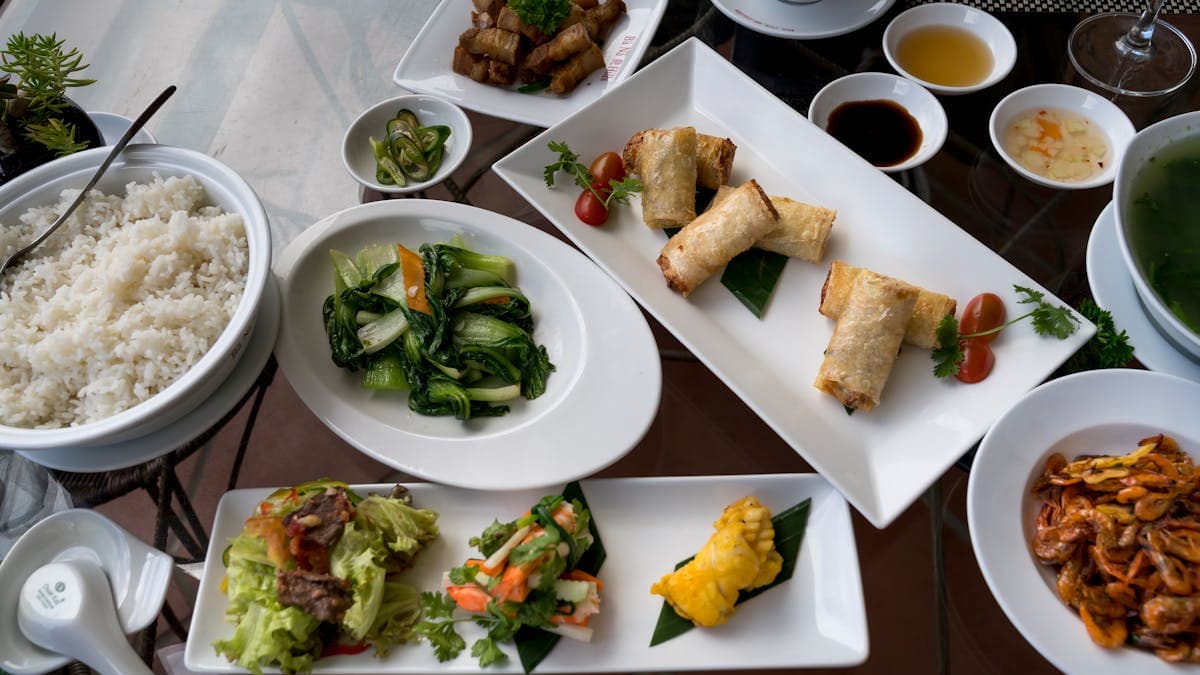
If you are planning a trip around what to eat in Vietnam—not just where to photograph rice terraces—this guide maps regional Vietnamese cuisine from the Red River delta through the central coast to the Mekong. You will learn how northern broths differ from central chilli heat and southern sweetness, what dishes to prioritise in each city, realistic street food prices in VND, and how to build a north-to-south food itinerary without wasting days on backtracking.
We are a private visa assistance service—not the Government of Vietnam. Food safety, restaurant licensing, and market regulations are managed locally. The planning advice below is general travel guidance based on common 2026 routes and costs.
Quick answer: Vietnamese food by region at a glance
| Region | Flavour profile | Must-try dishes | Best base city | Ideal food days |
|---|---|---|---|---|
| North | Subtle, aromatic, bone-broth clarity | Pho, bun cha, banh cuon, cha ca | Hanoi | 3–4 |
| Central | Spicy, fermented, turmeric-forward | Bun bo Hue, mi Quang, cao lau, banh beo | Hue, Da Nang, Hoi An | 3–4 |
| South | Sweeter, herb-heavy, coconut-rich | Banh mi, com tam, hu tieu, banh xeo | Ho Chi Minh City | 2–3 |
| Highlands | Smoked, sticky rice, foraged greens | Thang co (adventurous), grilled stream fish | Sapa, Da Lat | 1–2 add-on |
| Coast | Seafood by weight, grilled shellfish | Oc (snails), grilled squid, fish hotpot | Quy Nhon, Nha Trang, Vung Tau | 1–2 per stop |
Best for: Curious eaters, repeat visitors who skipped beyond pho, and first-timers who want structure—not a random walk through tourist menus.
Ideal trip length: 10–14 days for north, central, and south tastings; 7–8 days for a tighter Hanoi–Hue–Hoi An–Saigon loop.
Best season: October–April for comfortable walking between stalls in the north; central coast is pleasant in spring and autumn shoulder months. Summer brings humidity that makes midday market walks punishing—schedule heavy eating for morning and evening.
Budget level: Street meals 40,000–80,000 VND; mid-range restaurants 150,000–350,000 VND; fine-dining tasting menus 800,000–2,000,000+ VND per person in major cities.
Visa planning note: Sort entry documents before locking cooking-class deposits or non-refundable food tours. Verify Vietnam visa eligibility by country, confirm your Vietnam eVisa entry port matches your first landing airport, and read how to apply for a Vietnam eVisa online if you have not submitted yet.
How regional flavours differ across Vietnam
Vietnamese cooking is not one national menu—it is a climate map on a plate. Cooler northern winters favour long-simmered beef pho and dill-scented bun cha. The narrow central strip—historically poor, fiercely flavour-forward—loads bowls with chilli, shrimp paste (mam tom), and fermented depth. The south, fed by Mekong orchards, leans sweet with palm sugar, coconut milk, and piles of raw herbs.
| Region | Broth & base | Heat level | Typical garnish style |
|---|---|---|---|
| North | Clear beef or chicken stock | Mild–medium | Minimal; quality speaks in the bowl |
| Central | Fermented, lemongrass, turmeric noodles | Medium–hot | Shrimp paste, chilli oil, pickled veg |
| South | Sweeter, sometimes coconut | Variable | Herb platters, hoisin, lime, chilli |
Decision support: If you love subtle broth craft, spend extra nights in Hanoi. If you want bold spice and texture, prioritise Hue and Da Nang. If you prefer sandwich-and-herb freshness, anchor the south in Ho Chi Minh City and the delta.
Northern Vietnam: Hanoi and the Red River delta
Hanoi is the reference point for northern Vietnamese food. Old Quarter lanes still run on guild logic—one street for silver, another for paper—and breakfast rhythms start before dawn.
Pho: the benchmark bowl
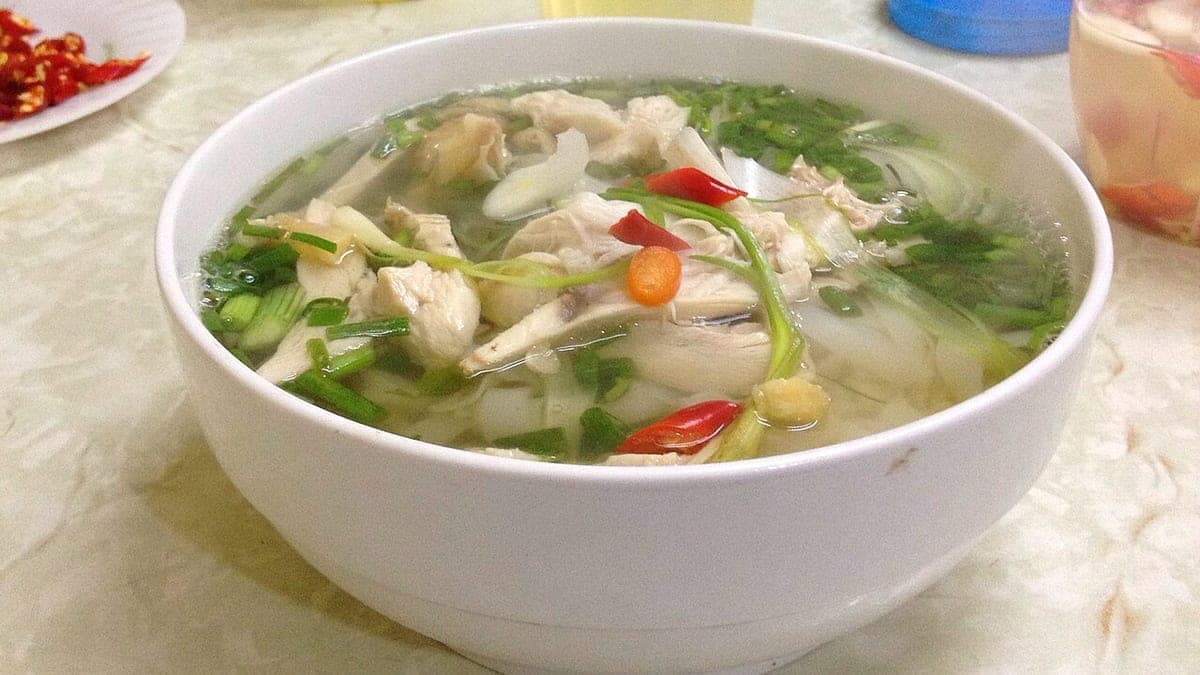
Pho bo simmers beef bones with star anise, cassia, and charred onion for hours. Pho ga (chicken) trades depth for clarity and suits lighter appetites. At popular Old Quarter stalls, expect 40,000–70,000 VND per bowl.
Ordering tip: Northern pho arrives relatively complete—do not dump hoisin into a Hanoi master's broth without tasting first. Southern-style condiment piles are less common here.
Bun cha, banh cuon, and egg coffee
Bun cha pairs charcoal-grilled pork patties and sliced belly with a vinegary dipping broth, rice noodles, and herbs. Famous lanes near Hang Manh draw queues—arrive before 12:00; many stalls close early afternoon.
Banh cuon steams rice sheets around minced pork and wood-ear mushroom. Dip with nuoc cham (fish sauce, lime, sugar, chilli).
Egg coffee (ca phe trung) crowns robust Robusta with sweet yolk foam—more dessert than espresso. Balcony cafés over tile roofs are part of the experience; budget 30,000–50,000 VND.
Cha ca La Vong and autumn snail season
Cha ca marinates turmeric fish with dill, then sizzles it tableside on a portable grill. It is a sit-down meal, not a quick snack—allow 90 minutes and 150,000–250,000 VND per person at established houses.
Autumn oc (snail) seasons bring lemongrass and chilli pots to curbside near West Lake (Tay Ho). Confirm spice level if sensitive; shells are finger food—accept messy hands.
Beyond Hanoi: Ninh Binh and highland markets
Day trips to Ninh Binh add goat meat (de nui) and com chay village lunches among rice paddies. Sapa and Ha Giang markets sell smoked buffalo, sticky rice cooked in bamboo, and bitter forest greens—excellent if you already plan a highland loop; skip as a food-only detour from Hanoi unless you have 2+ nights.
Northern mistakes travellers make:
- Eating pho only at dinner—locals treat it as breakfast or late-night fuel.
- Skipping bun cha because pho feels "safer"—you miss Hanoi's defining lunch.
- Assuming all "pho" tastes the same as southern airport versions.
Central Vietnam: Hue, Da Nang, and Hoi An
The central coast is Vietnam's spice corridor. Imperial Hue, beach-city Da Nang, and lantern-lit Hoi An each defend different bowls—do not assume one central menu covers all three.
Hue: royal restraint and Buddhist vegetarian depth
Bun bo Hue is the headline—a lemongrass beef broth with fermented shrimp paste swagger, thick round noodles, and pork hock or blood cake (optional; ask without if squeamish). Bowls run 40,000–70,000 VND at street level.
Hue's Buddhist vegetarian tradition is among Vietnam's strongest. Look for nem chay, banh khoai (savoury pancakes), and multi-course com chay set lunches near pagodas. Imperial-era refinement shows in smaller portions and layered herbs—not just chilli heat.
Da Nang: mi Quang and beach-side grills
Mi Quang jewells turmeric-tinted noodles with peanuts, sesame rice crackers, shrimp or pork, and minimal broth—more salad-noodle hybrid than soup. Expect 50,000–80,000 VND beside sea-breeze seafood grills.
Banh trang cuon thit heo (rice-paper rolls with boiled pork and dipping sauces) suits group lunches. Banh xeo here is often larger and crispier than southern versions.
Hoi An: cao lau and white rose dumplings
Cao lau claims ash-water noodles, charred pork, and crisp greens—texture matters as much as flavour. Bench seating near the Japanese Covered Bridge at dusk beats hotel buffets.
White rose dumplings (banh bao vac) and Hoanh thanh chien (fried wontons) are Hoi An signatures. Heritage-ticket zones control some old-house tastings; street stalls outside the core still deliver.
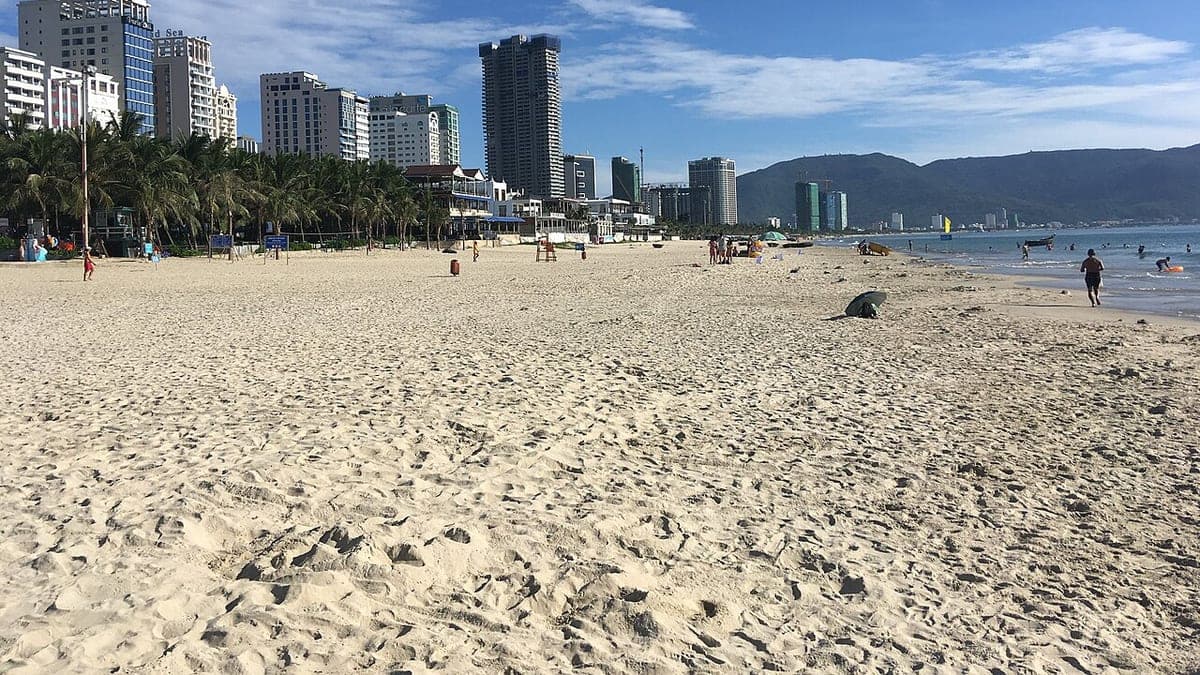
Central planning logic: Base 2 nights in Hue for imperial food and tombs, 2–3 in Hoi An for cao lau and cooking classes, with Da Nang as a transit grill stop or airport hub (DAD). Fly or train south from Da Nang rather than returning to Hanoi between coast segments.
Southern Vietnam: Ho Chi Minh City and the Mekong delta
Southern plates are herb-forward and sweeter. Ho Chi Minh City (Saigon) is the engine; the delta supplies fruit, coconut, and river fish.
Banh mi, com tam, and hu tieu
Banh mi splits airy baguettes with paté, pickles, coriander, and chilli—25,000–45,000 VND standing-room perfection near Ben Thanh and District 4 markets. Com tam (broken rice) crowns grilled pork chop, egg, and pickled vegetables.
Hu tieu soups borrow Cambodian-Chinese clarity—try both the dry (nam vang) and wet styles. Banh xeo sizzles turmeric crepes; wrap in mustard leaves for crunch contrast.
Saigon street-food neighbourhoods worth mapping
| Area | What to hunt | Notes |
|---|---|---|
| District 4 | Seafood alleys, snail stalls | Evening peak; cash essential |
| District 3 / 5 (Cho Lon) | Chinese-Vietnamese soups, dim sum | Morning markets |
| Ben Thanh fringes | Banh mi, fruit shakes | Tourist premiums—walk one block out |
| Nguyen Hue walking street | People-watching, café stops | Less "authentic," good for pacing |
Mekong delta: fruit, coconut candy, and river lunches
Day trips from Saigon reach Cai Rang floating markets (start before 08:00), Ben Tre coconut workshops, and homestay lunches of ca loc (snakehead fish) hotpot. Overnight homestays add banh tet and orchard fruit in season.
Southern mistakes:
- Treating Saigon as "only banh mi"—allocate 2–3 eating days minimum.
- Skipping the delta because "street food in the city is enough"—the river meals are a different category.
- Over-sweetening expectations: southern sugar balances salt and fish sauce; it is not dessert soup.
Coastal seafood: ordering by weight
From Quy Nhon baskets to Phan Thiet grills and Vung Tau weekend tables, seafood pricing follows live weight on scales. Confirm totals in VND per kilogram before cooking.
- Oc (shellfish) menus list dozens of species—start with familiar names or point at neighbours' tables.
- Sauces often hide shrimp paste; state allergies plainly ("toi di ung voi tom" = shrimp allergy).
- Bargaining is normal at open-air markets; set menus at tourist piers are not.
Grilled squid, clams with lemongrass, and fish hotpot (lau ca) suit groups. Lunch beats dinner for freshness at busy fishing towns.
Practical eating habits for 2026
Money, menus, and language
- Carry small dong notes—street vendors rarely break 500,000 VND bills.
- Point politely at bubbling pots if language stalls; photos of dishes on phones help.
- Upscale venues may add 10% service; street food does not expect tipping.
- Learn "khong nuoc mam" (no fish sauce) and "an chay" (vegetarian) if dietary restrictions apply.
Timing and hygiene
- Breakfast (06:00–09:00) is peak pho and bun time.
- Lunch (11:00–13:00) suits bun cha, com tam, and market stalls.
- Queue behind locals—turnover signals freshness.
- Hydrate; humidity amplifies chilli at midday.
- Afternoons suit ca phe phin (drip coffee) under sidewalk canopies.
- When ice hygiene looks doubtful, choose bottled water, hot tea, or beer.
Drinks beside the bowl
Salty soups pair with tart sodas or jasmine tea. Southern plates balance with iced pennywort (rau ma) juice. Craft beer bars in Hanoi and Saigon charge 80,000–150,000 VND per glass—still cheaper than many Western capitals. Ruou can (rice wine) appears at highland homestays—sip cautiously; potency varies.
Building a north-to-south food itinerary
| Days | Base | Focus dishes | Transport note |
|---|---|---|---|
| 1–3 | Hanoi | Pho, bun cha, cha ca, egg coffee | Arrive HAN; Old Quarter walkable |
| 4–5 | Hue | Bun bo Hue, vegetarian imperial plates | Train or fly from Hanoi (~1 hr flight) |
| 6–7 | Hoi An | Cao lau, white rose, cooking class | Fly to DAD, taxi to Hoi An |
| 8–10 | Ho Chi Minh City | Banh mi, com tam, hu tieu, district crawls | Fly DAD–SGN; open-jaw saves backtracking |
| 11–12 | Mekong (optional) | Floating market, homestay hotpot | Day trip or 1-night from Saigon |
Open-jaw flights (Hanoi in, Ho Chi Minh City out) suit food routes best. Overnight trains (Hanoi–Hue) add romance but cost a meal night—fly if you have under ten days.
Pair this route with top historical places in Vietnam for morning culture and evening eating. Festival travellers should read Vietnamese festivals and cultural celebrations before booking around Tet closures.
Common mistakes food travellers make
- Eating only in hotels—you miss regional variation entirely.
- One pho sample in Hanoi then claiming you "did Vietnamese food."
- Ignoring central Vietnam because Hanoi and Saigon feel sufficient—mi Quang and bun bo Hue are non-negotiable for completeness.
- Seafood without confirming weight—bill shock at harbour restaurants is preventable.
- Skipping visa paperwork before prepaid food tours—verify Vietnam eVisa processing time and apply early.
- Assuming vegetarian means fish-sauce-free—confirm explicitly.
- Midday market walks in July without shade plan—schedule tastings for morning/evening.
Visa and entry planning for food-focused trips
Culinary travel is still standard tourism for immigration purposes. Your approved Vietnam eVisa (or other valid entry document) covers all domestic food destinations once you have entered the country.
Official policy reminder: Entry rules are set by Vietnamese immigration authorities. Requirements vary by nationality—always verify via our nationality checker or a current Vietnam eVisa requirements guide before paying for non-refundable trips.
Practical steps:
- Verify eligibility with our check requirement tool.
- Match entry port to first landing—Vietnam eVisa entry ports must align with your ticketed airport (HAN, DAD, or SGN are common for food routes).
- Apply early—allow buffer before cooking-class deposits; see Vietnam eVisa processing time.
- Photos: Rejected uploads delay trips—review Vietnam eVisa photo requirements.
- Fees: Government tiers are fixed—Vietnam eVisa fees explained breaks down costs.
- Families: Each traveller needs appropriate documents—Vietnam eVisa for families and minors.
- Multiple entry: Side trips to Cambodia or Thailand between eating legs need the correct visa type—see the Vietnam multiple-entry eVisa guide.
Private assistance note: We help travellers avoid common application errors. Final approval rests with immigration authorities—we are not the government.
Frequently asked questions
What is the most famous food in northern Vietnam?
Hanoi defines the north: pho bo, pho ga, bun cha, banh cuon, and cha ca La Vong. Egg coffee is the capital's signature drink. Highland markets add smoked meats and sticky rice if you extend to Sapa or Ha Giang.
How much does street food cost in Vietnam in 2026?
Core bowls and sandwiches often run 25,000–80,000 VND. Seafood by weight varies with species and town. Fine-dining reinterpretations in Saigon or Hanoi can exceed 1,000,000 VND per person. Always confirm seafood pricing before cooking.
Can vegetarians eat easily in Vietnam?
Yes, especially in Hue and on lunar vegetarian days. Look for an chay signage and com chay buffets. Fish sauce appears in many dressings—state "khong nuoc mam" if you avoid it entirely.
Is street food safe in Vietnam?
Busy stalls with high turnover and cooked-to-order dishes are generally reliable. Choose hot food, bottled drinks when ice looks questionable, and wash hands before eating. Upscale price does not guarantee safer street hygiene.
How many days do you need for a Vietnam food trip?
10–14 days for north, central, and south without rushing. 7–8 days works for Hanoi–Hue–Hoi An–Saigon if you accept one region per day transit. Add delta or highland nights for depth.
What is the difference between northern and southern pho?
Northern pho emphasises clear broth and spare garnishes. Southern pho is often sweeter, with more herbs and sauces on the side. Try both before deciding a favourite.
What should I order on my first night in Hanoi?
Pho bo or bun cha (if before noon next day), then egg coffee. Carry cash. Walk the Old Quarter between stops—digestion is part of the plan.
Do I need a visa before a food-focused trip to Vietnam?
Most visitors need advance authorization. Confirm nationality rules, match your entry airport to your application, and apply before non-refundable culinary bookings. Compare Vietnam eVisa vs embassy visa if your case is unusual.
Closing summary
Vietnamese cuisine rewards travellers who move south with the flavours—subtle Hanoi broths, fiery Hue bowls, textured Hoi An noodles, and herb-heavy Saigon plates are not interchangeable. Budget in VND, queue where locals queue, and build open-jaw routes that minimise backtracking.
Taste freely once entry formalities match your full eating itinerary—including side trips to Hue, Hoi An, or the Mekong delta. Verify eligibility, confirm your port of entry, check fees before paying, and apply early enough to absorb processing time.
When avoiding application mistakes matters—wrong photos, port mismatches, or nationality edge cases—private assistance can streamline submission review.
Apply for your Vietnam eVisa when your food route and dates are firm—or check your requirements first if you are still sketching the menu map.
Ready to apply? Use our guided 4-step form on this site.
Apply for Vietnam eVisaRelated Articles
Vietnam eVisa for Children & Families (2026): Complete Group Application Guide
Complete 2026 guide to Vietnam eVisas for children, infants, and family groups—separate passport rules, group filing for up to 15 travelers, photos, fees, guardianship documents, immigration tips, and common family mistakes.
Vietnam Multiple Entry e-Visa 2026 - Ultimate 90-Day Guide
Vietnam multiple-entry eVisa 2026: when single entry fails, real travel plan examples, $55 vs $80 visa fees, how long visas stay valid, re-entry checks at the border, and mistakes that block your second crossing.
Why Vietnam eVisas Get Rejected in 2026: Top Reasons and How to Fix Them
Top Vietnam eVisa rejection reasons in 2026—document quality, passport data mismatches, eligibility issues, duplicate applications—and exactly what to fix before you reapply or fly.