Apply on vietnamemigration.com
Start your Vietnam eVisa here — visa type, travel dates, passenger details, secure payment, and document upload. No need to leave this site for another application page.
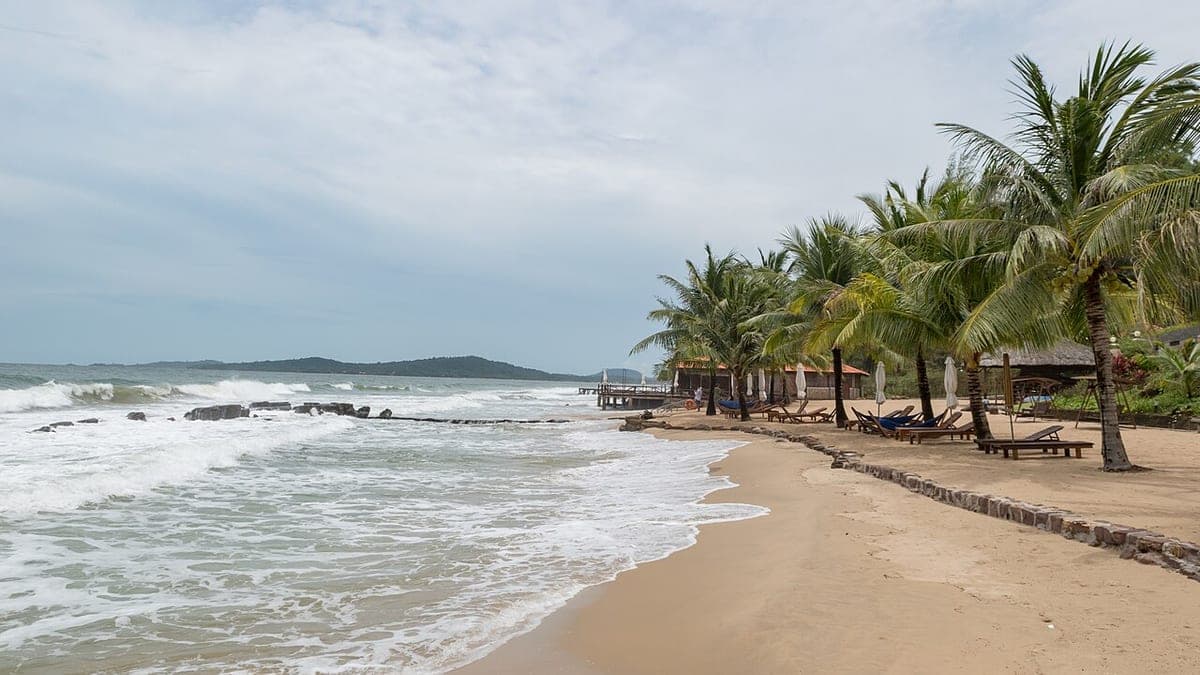
Vietnam's tropical islands stretch across three marine zones—limestone archipelagos in the Gulf of Tonkin, protected central islets off Hoi An and Da Nang, and long sandy reserves in the south. This guide helps you plan island time as a travel experience: how to choose the right mood, read seasonal weather honestly, pack for humidity and ferries, balance cruises with land stays, and handle cash and connectivity before you commit to boats or flights.
We are a private visa assistance service—not the Government of Vietnam. Ferry schedules, marine park enforcement, and beach safety rules are set by local operators and authorities. The planning advice below is general travel guidance based on common 2026 routes and costs quoted in Vietnamese dong (VND).
For island-by-island comparisons—Cat Ba, Cham, Phu Quoc, Con Dao, ferry routes, and sample itineraries—see our dedicated best islands in Vietnam guide. This article focuses on how to think about island travel regardless of which specific island you choose.
Quick answer: Vietnam island travel at a glance
| Factor | Gulf of Tonkin (north) | Central coast islets | Southern islands |
|---|---|---|---|
| Best for | Karst scenery, kayaking, cruises | Snorkel day trips, homestays | Long beach weeks, diving |
| Ideal trip length | 2–4 nights | 1–2 nights | 4–7 nights |
| Calmer seas (rough guide) | Mar–May, Sep–Nov | May–Aug | Nov–Apr |
| Rougher period | Nov–Feb (monsoon chop) | Sep–Dec (typhoon track) | May–Oct (afternoon rain) |
| Budget (mid-range/day) | 800,000–1,800,000 VND | 600,000–1,200,000 VND | 1,000,000–2,500,000 VND |
| Access style | Bus + ferry from Hanoi | Speedboat from Hoi An | Domestic flights from HCMC |
| Water clarity | Moderate—scenery over sand | Often good in season | Variable; Con Dao often strongest |
Visa planning note: Islands are part of Vietnam—no separate island visa exists. Verify Vietnam visa eligibility by country and confirm your Vietnam eVisa entry port matches your first international landing before locking non-refundable ferries or resort deposits.
How Vietnam's island zones differ
Vietnam is an S-shaped coast, not one continuous beach belt. Island character changes sharply by latitude—and choosing the wrong zone for your dates is the most common planning mistake.
Gulf of Tonkin: karst drama over Caribbean blue
Ha Long Bay, Lan Ha Bay, and Cat Ba Island deliver Vietnam's most photographed seascapes: limestone towers, floating villages, and kayak channels through narrow karst gaps. Water clarity is moderate compared with southern sand islands, but the scenery is unmatched. Access is ferry-dependent from Hai Phong or cruise pickups from Hanoi—no domestic flight required.
Who this zone suits: Travellers based in Hanoi, photographers, kayakers, and anyone who wants iconic Vietnam imagery without flying south.
What breaks trips: Northeast monsoon chop (roughly November–February) delays ferries and cruise departures. Budget one buffer night in Hai Phong or Hanoi when international flights follow.
Central coast: small protected islets
Cu Lao Cham and similar central islets offer snorkel-friendly water, fishing-village meals, and regulated marine areas. These are typically day-trip or short homestay destinations—not week-long resort islands. They pair naturally with Hoi An, Da Nang, or Hue on a culture-plus-sea itinerary.
Who this zone suits: Central-coast travellers, snorkellers, and visitors combining old-town culture with a sea day.
What breaks trips: Autumn typhoon tracks (September–December) pause speedboats for days. Afternoon wind and chop frequently delay return sailings even in calmer months—never assume the last boat is guaranteed.
Southern marine frontier: sand, warmth, and flights
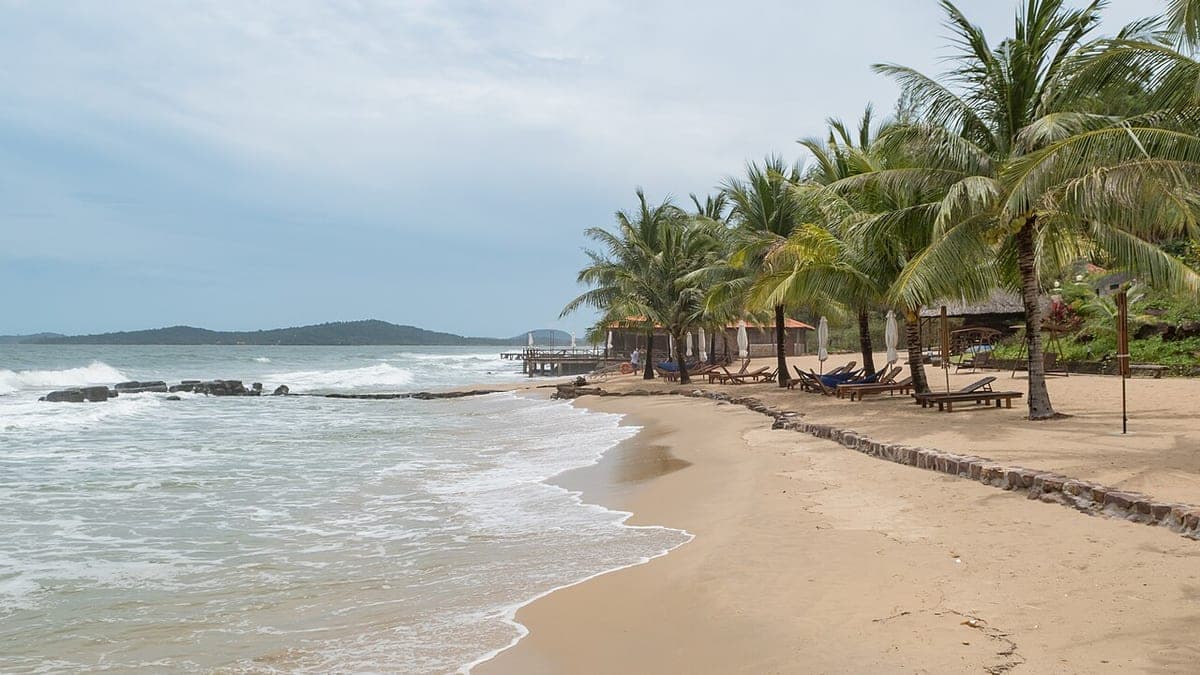
Phu Quoc (Gulf of Thailand) and Con Dao (South China Sea) deliver warmer water, longer beaches, and flight-dependent logistics. Phu Quoc prioritises convenience and resort infrastructure; Con Dao trades accessibility for marine parks, diving, and quiet.
Who this zone suits: Beach-week travellers, families, divers, and anyone with four or more southern days.
What breaks trips: Limited Con Dao flight schedules, plankton blooms affecting visibility, and domestic holiday crowds filling Phu Quoc flights and resorts.
Choosing your island mood
Island travel in Vietnam is not one experience. Match your mood to transport tolerance and trip length before booking.
| Traveller type | Island mood | Example bases | Trip length |
|---|---|---|---|
| Families | Shallow bays, predictable ferries | Phu Quoc west coast, Cham day trips | 4–7 nights (south) or 1–2 (central) |
| Photographers | Karst light, fishing fleets at dawn | Lan Ha, Cat Ba east rim | 2–4 nights |
| Divers | Marine parks, currents, turtles | Con Dao, Hon Mun near Nha Trang | 3–5 nights minimum |
| Slow travel | Homestays, few flights | Cu Lao Cham overnight, Con Dao | 2–5 nights |
| Party-forward | Beach bars, night markets | Phu Quoc Duong Dong strip | 4–7 nights |
| Checklist cruisers | Iconic bay photos from deck | Ha Long or Lan Ha overnight junk | 1–2 nights cruise |
Decision rule: If you have fewer than four days for islands, stay in one zone close to your mainland base. Flying Hanoi → Phu Quoc → Hanoi → Cat Ba in one short trip burns half your holiday in airports.
Seasonal weather: what actually affects island plans
Monthly averages mislead—weekly forecasts matter more on water. Use this table for planning windows, then check conditions before paying non-refundable boat deposits.
| Region | Rougher period | Calmer window | What gets cancelled |
|---|---|---|---|
| Gulf of Tonkin | Nov–Feb | Mar–May, Sep–Nov | Ferries, cruises, kayaking |
| Central coast | Sep–Dec | May–Aug | Cham speedboats, snorkel tours |
| Phu Quoc | May–Oct (afternoon rain) | Nov–Apr | Outdoor plans, rarely all-day storms |
| Con Dao | Oct–Dec (wind, currents) | Nov–Apr | Dive boats, offshore pinnacles |
Official weather alerts come from Vietnamese meteorological authorities—captains and operators follow local safety calls. General travel advice: never argue with a cancelled departure. Rescheduling beats risking open-water crossings in visible storms.
Domestic holiday peaks (Tet, summer school breaks) fill ferries and flights regardless of weather—book early or travel in shoulder weeks.
Northeast monsoon and central typhoon seasons
Winter Gulf of Tonkin chop delays Lan Ha junk departures and Got Pier ferries to Cat Ba. Pad a night in Hai Phong when onward international flights loom the next morning.
Central autumn storms can shut Cham Island boats for three to five consecutive days. If Cham is essential to your itinerary, build flex days in Hoi An and avoid non-refundable speedboat deposits in September through December.
Southern islands see afternoon rain even in dry season—plan morning boat trips and keep sunset expectations flexible.
Cruise versus land-based island time
Overnight bay cruises and land stays solve different problems. Many travellers combine both; choosing only one often leaves something on the table.
When a bay cruise makes sense
- You want iconic karst photos without organising your own boat charter.
- You have one to two nights and limited time on Cat Ba itself.
- You prefer meals, moorings, and kayaking bundled into one package.
Budget: 1,500,000–5,000,000 VND per person depending on cabin class, route length, and operator quality. One-night trips suit checklist travellers; two-night routes reach quieter moorings when operators honour low-impact passenger caps.
Ask before paying: Passenger caps, engine policies, whether kayaking is included or extra, and cancellation terms during weather holds.
When land-based nights make sense
- You want national park trails, local markets, or scooter loops beyond the pier.
- You are prone to motion sickness—sleeping on calm land beats rolling at anchor.
- You need reliable Wi-Fi or early-morning flights—pier towns connect faster than cruise disembarkation schedules.
Cat Ba town, Phu Quoc's Duong Dong, and Con Son village all reward multi-night land bases. Pair a cruise with at least one Cat Ba land night if hiking matters to you.
The hybrid approach (recommended for north)
Days 1–2: Land on Cat Ba—national park hike or Hospital Cave.
Day 3: Overnight Lan Ha or Ha Long cruise.
Day 4: Return ferry and bus to Hanoi.
This delivers both trail time and deck-time karst scenery without rushing both into a single weekend.
Beach etiquette, safety, and marine protection
Vietnamese islands mix tourism growth with recovering reefs and active fishing communities. Responsible behaviour keeps sites open and avoids fines in protected areas.
Swimming and currents
- Swim within flagged zones where lifeguards operate—especially on resort strips and popular day-trip beaches.
- Karst channels and island headlands hide currents that look calm from shore. Ask hotel staff before swimming alone at remote coves.
- Jellyfish pulses occur seasonally—seek local advice before dawn swims during bloom periods.
Snorkelling and reef protection
- Coral gardens thrive when fins float—not kick above reefs. Standing on coral heads damages slow-recovering colonies and risks marine park penalties.
- Carry reef-safe sunscreen (oxybenzone-free) and rinse snorkel gear away from coral mouths when hopping between sites.
- Follow guide instructions in marine protected areas—Hon Mun, Cham Islands, and Con Dao enforce local rules.
Waste and village respect
Small islets lack robust rubbish services. Carry refillable bottles and pack out what you bring. Leave sandals outside temple thresholds when village walks interrupt beach days—humidity climbs fast inland and customs matter in fishing hamlets.
Packing for humidity, boats, and island days
Island travel punishes under-prepared luggage. Humidity, sudden squalls, and open-deck ferries reward a focused packing list.
Essentials
- Quick-dry clothing—cotton stays damp for hours in tropical humidity.
- Brimmed hat and polarised sunglasses—deck glare is intense on open water.
- Dry bag for electronics, passport copies, and eVisa approval PDF (digital and printed).
- Reef-safe sunscreen—reapply after swims; tropical sun dehydrates faster than most travellers expect.
- Motion-sickness remedy taken 30 minutes before departure—Gulf crossings and speedboats reward proactive dosing.
- Waterproof phone pouch—squalls surprise deck passengers even in "dry" season.
- Light rain shell—humidity dumps sudden showers year-round.
- Insect repellent for dusk on Con Dao, Cat Ba trails, and homestay villages.
- Sandals with grip for wet piers and Fairy Stream–style slick clay (if you combine coast stops).
Cash and documents
Carry VND in small notes for pier snacks, marine park fees, and island shuttles that cards sometimes cannot cover. Photograph booking references in both VND and USD where quoted—disputes resolve faster with screenshots.
Withdraw dong on the mainland before remote hops—island ATMs exist but queues and outages happen on holiday weekends. See our Vietnam currency exchange guide for ATM limits and exchange tips.
Dining between crossings
Island kitchens excel at grilled squid, morning glory with garlic, and tart soups—confirm shellfish allergies plainly because sauces often hide shrimp paste.
| Meal type | Typical cost (VND) | Payment |
|---|---|---|
| Market breakfast (banh mi, pho) | 30,000–60,000 | Cash |
| Beach café lunch | 80,000–150,000 | Cash or card at resorts |
| Seafood dinner by weight | 150,000–400,000 per person | Cash preferred—confirm total before cooking |
| Pier snack (corn, coconut) | 15,000–40,000 | Cash |
Duong Dong Night Market on Phu Quoc and harbour grills on Con Son reward adventurous eaters. Resort minibars price aggressively—street smoothies rescue overheated afternoons for 20,000–40,000 VND.
Connectivity, backup plans, and transport buffers
Island logistics fail gracefully when you build buffers; they cascade into missed flights when you cut margins too tight.
SIM and signal
Buy a mainland tourist SIM before remote hops—limestone shadows and open water weaken signal on boats. Pier kiosks restock data unevenly; airport SIM counters in Hanoi, HCMC, or Da Nang are more reliable.
Ferry and flight buffers
Brief ferry delays are normal. Pad domestic connections so one rough sea morning does not cascade into a missed international flight. For Con Dao and Phu Quoc, book island flights before boutique hotels—routes sell out on holiday weekends.
Insurance
Ferry and snorkel activities may not suit bare-minimum medical policies. Confirm coverage for water sports, especially if you plan diving—see our Vietnam diving destinations guide for certification and safety logistics.
Budget planning for island travel
Island travel costs more than mainland cities at the same tier—transport markups and limited competition raise prices.
| Expense | Typical range (VND) | Cash or card? |
|---|---|---|
| Northern ferry (one leg) | 80,000–120,000 | Cash at pier |
| Central speedboat day return | 400,000–800,000 (tour bundled) | Often cash |
| Southern domestic flight (SGN–PQC) | 800,000–2,500,000+ | Card online |
| Scooter rental/day | 120,000–200,000 | Cash deposit common |
| Marine park fees | 50,000–200,000 | Cash |
| Overnight bay cruise | 1,500,000–5,000,000 per person | Mixed |
Mid-range daily total on-island: 800,000–2,500,000 VND for meals, local transport, and activities—excluding long-haul domestic flights and luxury resorts.
Common mistakes island travellers make
- Treating southern islands as a Hanoi side trip in under five days—you lose disproportionate time in airports.
- Ignoring return boat times on central islets—afternoon chop strands travellers overnight unintentionally.
- Booking non-refundable cruises in central autumn without weather flexibility.
- Assuming cards work at every pier—village ferries and park gates are cash-first.
- Skipping entry document checks before locking island flights—review how to apply for a Vietnam eVisa online and allow time per the Vietnam eVisa processing time guide.
- Choosing Con Dao for nightlife—quiet after dark; Phu Quoc fits party-forward moods better.
- One-night cruise plus hiking in one weekend—you will rush both. Allow three nights minimum in the north.
Visa and entry planning for island travellers
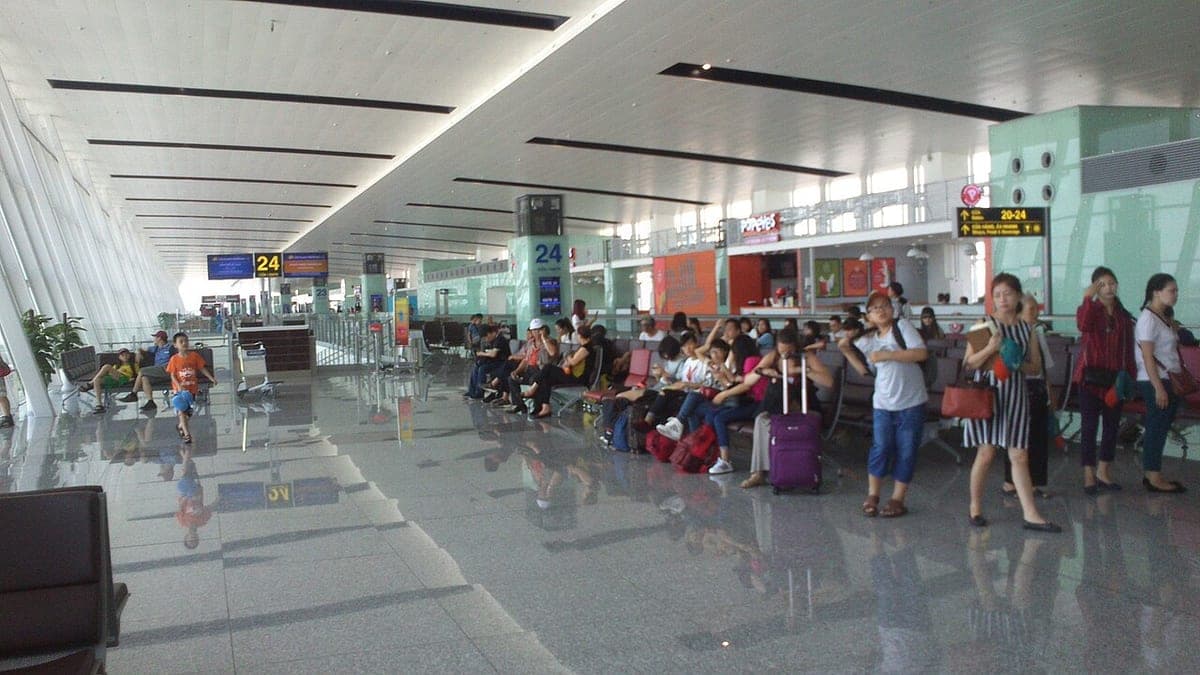
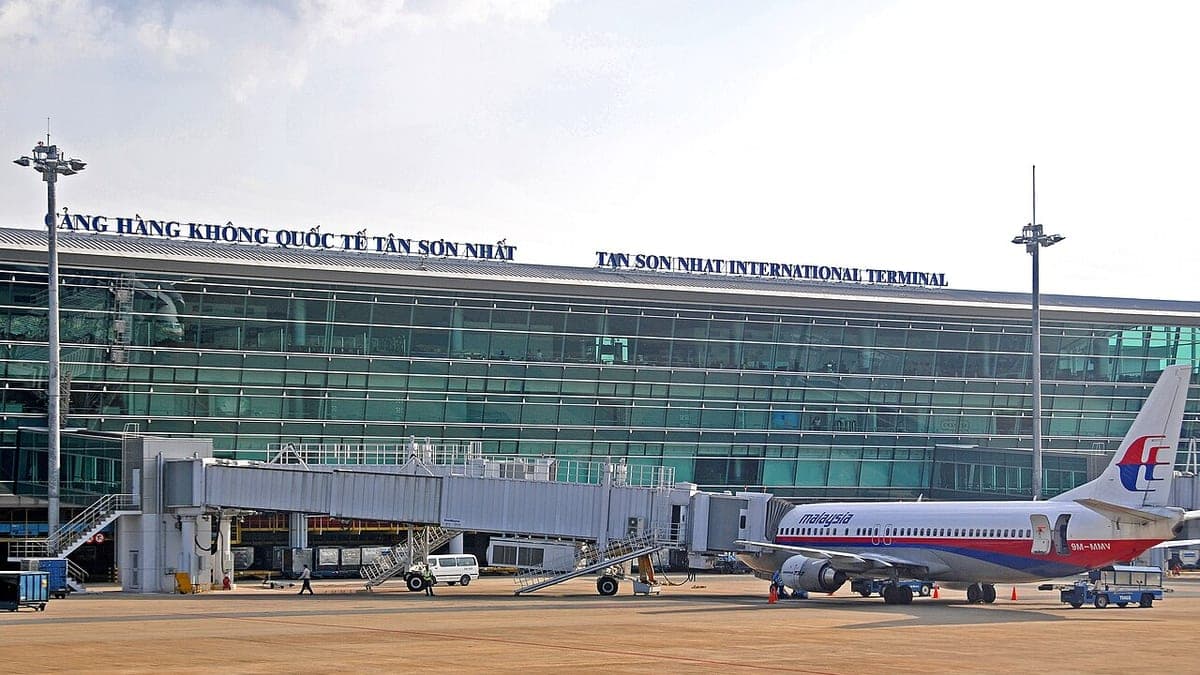
Islands do not have separate immigration. Your approved Vietnam eVisa (or other valid entry document) governs entry at an authorized port—usually an international airport such as Noi Bai (HAN), Tan Son Nhat (SGN), or Da Nang (DAD).
Official policy reminder: Entry rules are set by Vietnamese immigration authorities. Verify requirements for your nationality via our nationality checker or Vietnam eVisa requirements guide before paying for flights.
Practical steps before booking boats:
- Verify eligibility — Vietnam visa eligibility by country
- Match entry port to first landing — Vietnam eVisa entry ports
- Apply early — Vietnam eVisa processing time
- Families: Each traveller including minors needs a document — Vietnam eVisa for families and minors
- Check fees before paying — Vietnam eVisa fees explained
Private assistance note: We help travellers avoid common application errors; final approval rests with immigration authorities.
Frequently asked questions
What is the best time for island beaches in Vietnam?
Southern islands often see clearer skies November through April; central islets are calmest roughly May–August; northeast bays face winter chop November–February. Check weekly forecasts—not just monthly averages—before multi-day boat bookings.
Should I book a Ha Long Bay cruise or stay on land?
Cruises deliver iconic karst scenery with minimal logistics. Land stays on Cat Ba add hiking, markets, and calmer sleep. A hybrid—two land nights plus one cruise night—works best for most Hanoi-based travellers.
How much cash should I carry on Vietnamese islands?
Plan 500,000–2,000,000 VND per day for meals, transport, and park fees depending on activities. Resorts may take cards; piers and village stalls usually do not. Withdraw on the mainland when possible.
Is island hopping across all of Vietnam realistic?
Only with three weeks or more. Most travellers pick one region: north (Cat Ba), central (Cham), or south (Phu Quoc or Con Dao). Fly south once rather than backtracking. See the best islands in Vietnam guide for route logic.
Can I visit Vietnam islands on an eVisa?
Yes. The eVisa covers entry to Vietnam; domestic ferries and flights between islands require no separate permit for standard tourism. Ensure your entry port matches your international arrival airport.
What should I pack for Vietnam island ferries?
Quick-dry clothes, dry bag, reef-safe sunscreen, motion-sickness remedy, waterproof phone pouch, light rain shell, and VND cash in small notes. Life jackets are provided on licensed routes—wear them when offered.
Is snorkelling safe around Vietnamese islands?
Generally yes in flagged areas with guides. Avoid kicking coral, heed jellyfish advisories, and respect marine park boundaries. Currents near karsts can surprise—do not swim alone at remote headlands.
Are Vietnam island ferries safe?
Licensed operators on major routes generally meet local safety standards, but weather cancellations are common. Avoid overloaded informal boats and never pressure captains to sail in visible storms.
Closing summary
Vietnam island travel rewards planners who match zone, season, and mood to realistic trip lengths. Gulf of Tonkin delivers karst kayaking and cruises without flying south. Central islets add snorkel days to culture-heavy itineraries. Southern islands anchor beach weeks and diving—but demand flights and more calendar days.
Confirm entry documents before non-refundable boats and resorts. Verify eligibility, choose the correct entry type, confirm your port of entry, and apply early enough to absorb processing time. When avoiding application mistakes matters—wrong photos, incomplete passenger data, or nationality edge cases—private assistance can streamline submission review.
We are a private visa assistance service, not the Government of Vietnam.
Apply for your Vietnam eVisa once your island route and dates are set—or check your requirements first if you are still building the itinerary.
Ready to apply? Use our guided 4-step form on this site.
Apply for Vietnam eVisaRelated Articles
Vietnam eVisa for Children & Families (2026): Complete Group Application Guide
Complete 2026 guide to Vietnam eVisas for children, infants, and family groups—separate passport rules, group filing for up to 15 travelers, photos, fees, guardianship documents, immigration tips, and common family mistakes.
Vietnam Multiple Entry e-Visa 2026 - Ultimate 90-Day Guide
Vietnam multiple-entry eVisa 2026: when single entry fails, real travel plan examples, $55 vs $80 visa fees, how long visas stay valid, re-entry checks at the border, and mistakes that block your second crossing.
Why Vietnam eVisas Get Rejected in 2026: Top Reasons and How to Fix Them
Top Vietnam eVisa rejection reasons in 2026—document quality, passport data mismatches, eligibility issues, duplicate applications—and exactly what to fix before you reapply or fly.