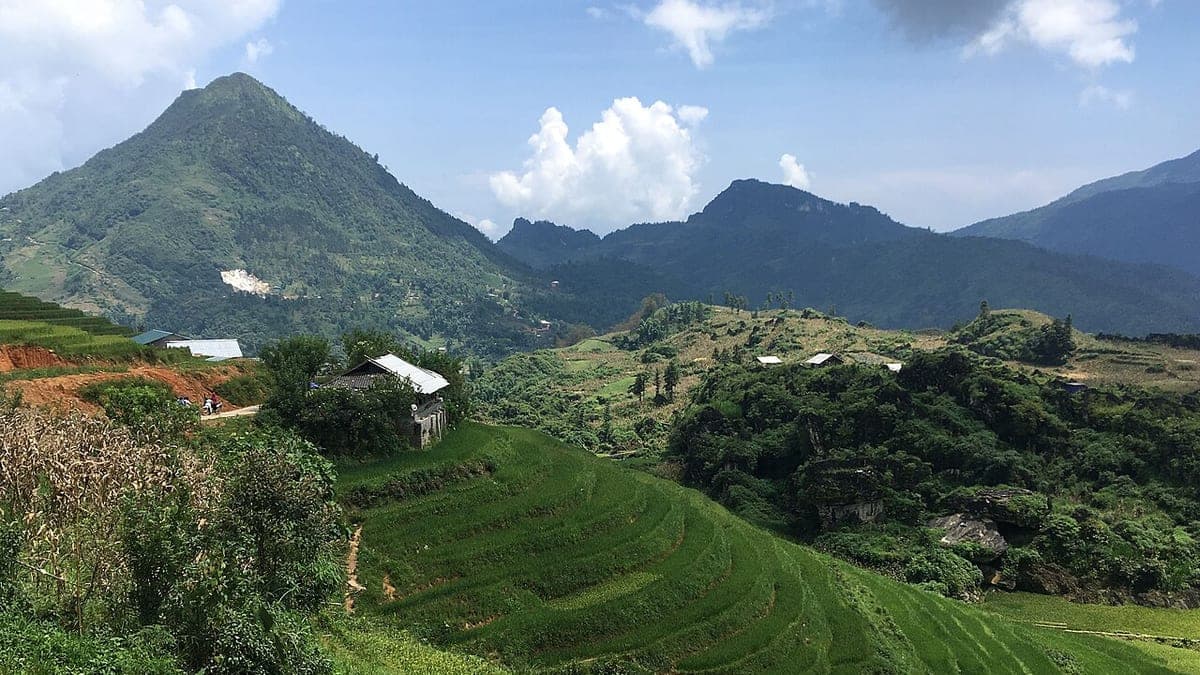
Apply on vietnamemigration.com
Start your Vietnam eVisa here — visa type, travel dates, passenger details, secure payment, and document upload. No need to leave this site for another application page.
International travellers often search for volcano trekking in Vietnam—but the honest answer is simpler: Vietnam has no active volcanoes suited to lava-field hikes. The country's vertical drama comes from cloud forests, limestone plateaus, and knife-edge passes in the north. If you want mountain trekking in Vietnam in 2026, this guide maps Fansipan summit options, Ha Giang plateau routes, Ba Vi day escapes from Hanoi, plus fitness tiers, packing, seasons, and sample itineraries.
We are a private visa assistance service—not the Government of Vietnam. Park fees and trail access are set by Vietnamese authorities. We help travellers prepare entry documents; costs below are indicative VND bands.
For caving, bay kayaking, and multi-activity adventure weeks, see Vietnam adventure travel. For park permits and regional comparisons, see Vietnam national parks.
Quick answer: Vietnam mountain trekking at a glance
| Route | Type | Fitness | Ideal length | Best season | Cost band (VND) | Gateway |
|---|---|---|---|---|---|---|
| Fansipan multi-day hike | Summit trek on foot | Strong | 2–3 days | Oct–Apr | 3,000,000–8,000,000+ guided | Sa Pa (train/bus from Hanoi) |
| Fansipan cable car / rail | Summit access | Easy–moderate | Half day | Oct–Apr; avoid Tet crush | 800,000–1,500,000 return | Sa Pa |
| Ha Giang plateau | Motor loop + village walks | Moderate | 3–4 days | Oct–Apr | 1,200,000–2,500,000/day guided | Ha Giang city |
| Ba Vi day hikes | Forest ridge trails | Easy–moderate | 1 day | Mar–May, Sep–Nov | 60,000–200,000 entry + transport | Hanoi |
| Bach Ma ridge | Central Annamite day hike | Moderate | 1–2 days | Oct–Apr | 600,000–1,400,000 total | Hue / Da Nang |
Visa planning note: Northern treks usually start from Noi Bai (HAN). Verify Vietnam visa eligibility by country and Vietnam eVisa entry ports before booking Sa Pa trains or homestays.
Why "volcano trekking" searches point here
Southeast Asia marketing often bundles Indonesia's volcanoes with regional adventure keywords. In Vietnam:
- No active volcanic trekking exists like Mount Bromo or Rinjani.
- Fansipan (3,143 m) is marketed as the "Roof of Indochina"—forest trek or cable-assisted summit.
- Ha Giang delivers plateau drama via Ma Pi Leng and Dong Van geography—not lava fields.
- Ba Vi offers Hanoi weekend forest without overnight trains to Lao Cai.
Use this guide for honest mountain planning, not volcano expectations that will disappoint.
Fitness tiers: choose your route honestly
Misjudging fitness causes injuries, turned-back groups, and expensive rescues on wet northern trails.
| Tier | Description | Suitable routes | Red flags |
|---|---|---|---|
| Easy | Walk 2–4 hours on marked paths; stairs OK | Fansipan cable/rail; Ba Vi lower loops | Knee pain on sustained descents |
| Moderate | 5–6 hours; some steep sections | Bach Ma day hikes; Ha Giang viewpoint walks | Poor balance on wet rock |
| Strong | 6–8+ hours daily; mud and altitude | Fansipan 2–3 day forest trek | Heart or respiratory issues without medical clearance |
| Expedition | Multi-day porter-supported | Extended Fansipan variants; remote border treks | No prior multi-day hiking experience |
Rule: If you have not hiked two consecutive 6-hour days in the last year, choose Fansipan cable access or Ba Vi before committing to porter treks.
Fansipan from Sa Pa: summit options on foot or by cable
Fansipan dominates Sapa itineraries—terraced valleys below, cloud forest and granite above.
Multi-day guided trek (2–3 days)
Serious trekkers book guided forest routes through bamboo and montane zones—typically 3,000,000–8,000,000 VND per person including porters, meals, and park access, depending on group size and season.
Daily rhythm:
- Day 1: Steep forest ascent; mud common even in dry season; lodge or camp per operator.
- Day 2: Ridgeline push toward summit zone; weather windows dictate turnaround times.
- Day 3: Summit attempt or descent; knees suffer on long downhills—trekking poles help.
Fitness reality: Expect 6–8 hours daily on steep, rooty paths. Altitude is moderate compared to Himalaya treks but combined with humidity and mud it feels harder than elevation numbers suggest.
Cable car and mountain railway (half day)
Shorter visits use Fansipan Legend cable car or mountain railway segments plus a final stair section to the summit statue. Budget 800,000–1,500,000 VND for popular return packages from Sa Pa town; prices rise on weekends and holidays.
Crowd timing: Mornings above Sa Pa can look clear while summit ridges sit in cloud. Start before 08:00 for quieter photos; midday queues form at the peak plaza.
Who cable access suits: Families, photographers with limited time, travellers saving legs for Ha Giang loops later in the week.
Weather and packing for Fansipan
| Season | Conditions | Pack emphasis |
|---|---|---|
| Oct–Nov | Clearer views; cold snaps | Thermal layers, gloves |
| Dec–Feb | Cold summit; possible frost | Full winter shell, hat |
| Mar–Apr | Warming; mud persists | Rain jacket, quick-dry base |
| May–Sep | Cloud, rain, leeches lower down | Waterproof boots, gaiters |
Pack a waterproof shell, gloves in winter, and trekking poles for gravel descents—poles are not optional for multi-day knee protection.
Ha Giang Loop: plateau drama (trekking vs riding)
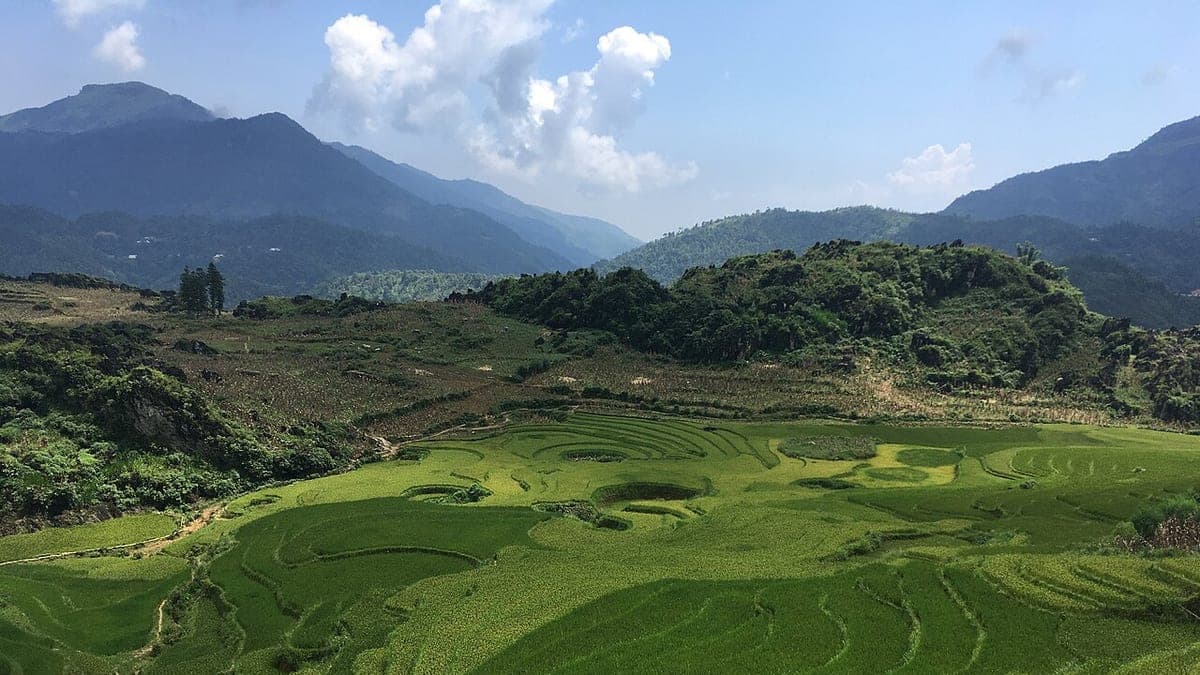
The Ha Giang circuit is primarily a motorbike or 4WD adventure linking Ma Pi Leng Pass, Dong Van stone-plateau villages, and seasonal buckwheat blooms (roughly October–November).
What trekkers actually do on Ha Giang
- Short village walks around Lung Cu flag tower area and Dong Van old quarter.
- Viewpoint hikes off Ma Pi Leng—stay on marked edges; cliff drops are lethal.
- Market mornings in Sa Pa or Bac Ha (if routing via Lao Cai) as cultural complements—not high-altitude endurance hikes.
Fuel and logistics: Stops thin between towns—top up whenever you see a station. Homestays run 400,000–800,000 VND per night with meals in many guided packages.
Licences and guided alternatives
Self-riders need valid motorcycle licences and insurance listing riding. Easy-rider tours at 1,200,000–2,500,000 VND per day include drivers, homestays, and simple meals—sensible if Vietnamese mountain roads are new to you.
Full motor logistics live in the Vietnam adventure travel guide—this trekking article treats Ha Giang as plateau context, not duplicate riding advice.
Ba Vi National Park: Hanoi weekend forest trek
Ba Vi sits roughly 60 km west of Hanoi—misty trails, French-era ruins, and cool ridge air without overnight trains to Lao Cai.
Trails and entry
- Park entry and shuttle combinations typically 60,000–200,000 VND—verify at the gate.
- Upper temple and ridge paths reward dawn starts before midday heat and cloud cap.
- Wet months bring leeches and mosquitoes—long sleeves, repellent, and gaiters.
Ideal for: Hanoi-based travellers with one day, moderate fitness, no time for Sa Pa.
Typical mistake: Underestimating weekend traffic from Hanoi—leave early Saturday.
Bach Ma: central ridge trekking near Hue
Bach Ma National Park on the Annamite divide offers cooler ridge walks and waterfalls—pairs with Hue imperial sights on north–south routes.
- Fitness: Moderate day hikes; leeches in wet season on lower trails.
- Best season: October through April for clearer ridge views.
- Length: One long day or overnight near park entrance.
Choose Bach Ma when your itinerary is central coast, not when you are Hanoi-only for seven days.
Packing checklist by route
| Item | Fansipan trek | Fansipan cable | Ha Giang | Ba Vi |
|---|---|---|---|---|
| Waterproof shell | Essential | Recommended | Essential | Essential |
| Layers | Merino + thermal | Light fleece | Rain jacket + gloves | Light fleece |
| Footwear | Sturdy boots | Closed shoes | Closed shoes for riding | Trail runners |
| Trekking poles | Strongly recommended | Optional for stairs | N/A for riders | Helpful on descents |
| Water capacity | 2–3 L daily | 1–2 L | 1–2 L | 1–2 L |
| Headlamp | Required multi-day | Optional | For homestays | Optional |
| Cash (VND) | Villages no ATM | Sa Pa ATMs | Fuel + homestays | Gate + snacks |
| Health | Blister kit; altitude awareness | Crowd patience | Motion sickness on passes | Repellent wet season |
Hydration bladders survive bouncing saddlebags better than rigid bottles on dusty Ha Giang roads.
Homestays and mountain towns
Sa Pa hotels stack duvets against chilly nights after windy ridges—book weekends early; Tet and domestic holiday weeks squeeze trains and rooms.
Ha Giang loops favour family lodges where hosts sketch pass names on napkins—offline translators or basic Vietnamese phrases help at communal dinners.
Ba Vi suits day returns to Hanoi hotels—no mountain town culture night required.
Confirm visa validity covers every trekking day plus buffer nights after multi-day hikes before wiring homestay deposits.
Sample mountain trekking route logic
8-day north trekking focus (enter HAN)
| Days | Base | Activity |
|---|---|---|
| 1 | Hanoi | Arrival, gear check, visa buffer |
| 2 | Overnight train / bus to Sa Pa | Transit |
| 3–4 | Sa Pa | Fansipan multi-day trek or cable + valley walks |
| 5 | Transit to Ha Giang | Rest |
| 6–8 | Ha Giang loop | Plateau motor + village walks |
5-day Hanoi weekend + Sa Pa express
| Days | Base | Activity |
|---|---|---|
| 1 | Ba Vi day hike | Forest warm-up |
| 2 | Hanoi buffer | Laundry |
| 3–5 | Sa Pa | Fansipan cable + Muong Hoa valley walks |
10-day north–central (add Bach Ma)
Extend with Hue and Bach Ma ridge day between Sa Pa and Da Nang—open-jaw HAN → DAD flights reduce backtracking.
Costs in VND (indicative 2026)
| Item | Range (VND) |
|---|---|
| Hanoi → Sa Pa sleeper train (soft seat) | 300,000–600,000 |
| Fansipan guided 2-day trek | 3,000,000–8,000,000+ |
| Fansipan cable return | 800,000–1,500,000 |
| Porter tip (if customary) | 100,000–300,000/day |
| Ha Giang guided day | 1,200,000–2,500,000 |
| Ba Vi entry + shuttle | 60,000–200,000 |
| Bach Ma entry + guide | 300,000–800,000 |
Pay porters and homestay hosts fairly; confirm tipping norms with guide cooperatives.
Responsible trekking habits
- Stay on marked paths in national parks—hillside soils erode when shortcuts form.
- Carry out all rubbish; avoid feeding macaques near trailheads.
- Photograph ethnic minority communities only with permission—markets around Bac Ha and Ha Giang reward respectful distance when people decline portraits.
- Do not strip vegetation for trail markers or campfires outside designated expedition routes.
Common mistakes mountain trekkers make
- Expecting volcano scenery—plan for forest, cloud, and karst instead.
- Booking Fansipan multi-day treks without fitness prep—turnarounds waste money and morale.
- Ignoring winter cold on Fansipan summit—hypothermia risk in cloud and wind.
- Skipping travel insurance that covers hiking elevation and rescue—not all policies do.
- Routing Ha Giang as a foot trek—it's a motor loop; read adventure travel logistics.
- Applying for visa after homestay deposits—review how to apply for a Vietnam eVisa online first.
- Tet week transport without bookings—trains and Sa Pa rooms sell out.
Visa and entry planning for trekkers
Northern mountains usually start from Hanoi (Noi Bai). Your Vietnam eVisa must list the correct entry port if HAN is your first landing.
Practical steps:
- Vietnam eVisa requirements guide for nationality rules.
- Vietnam eVisa photo requirements to avoid delays.
- Vietnam eVisa fees explained for government tiers.
- Vietnam eVisa for families and minors if trekking with children on cable routes.
- Vietnam eVisa vs embassy visa for non-standard cases.
Private assistance note: We are not the government—we help travellers prepare complete applications.
Frequently asked questions
Are there volcano treks in Vietnam?
No active volcanoes for trekking. Choose Fansipan, Ha Giang plateau, or Ba Vi instead.
How much does Fansipan trekking cost?
Cable packages 800,000–1,500,000 VND; multi-day guided treks 3,000,000–8,000,000+ per person.
Do I need a guide?
Multi-day Fansipan forest routes require licensed guides. Ba Vi marked trails are often self-guided.
When is the best season?
October through April for northern mountains; pack rain gear year-round.
How fit do I need to be for Fansipan on foot?
Multi-day routes need moderate to strong fitness with 6–8 hour days on steep, muddy paths.
What should I pack?
Waterproof shell, boots, poles, layers, water, snacks, blister kit, VND cash, winter gloves for cold summits.
Is Ha Giang a trek or motor loop?
Primarily motor; short village walks supplement the road journey.
Do I need a visa?
Standard Vietnam entry documents apply. Enter via Hanoi for most northern treks.
Closing summary
Vietnam mountain trekking means Fansipan cloud forest, Ha Giang plateau drama, and Ba Vi day escapes—not volcanoes. Match fitness to route tier, pack for mud and cold, and cluster Sa Pa and Ha Giang in one northern block with realistic train and homestay bookings.
Verify eligibility, confirm your entry port, and apply before non-refundable mountain deposits. We are a private visa assistance service, not the Government of Vietnam.
Apply for your Vietnam eVisa once your trekking dates and guides are chosen—or check your requirements while planning the route.
Related travel guides
Ready to apply? Use our guided 4-step form on this site.
Apply for Vietnam eVisaRelated Articles
Vietnam eVisa for Children & Families (2026): Complete Group Application Guide
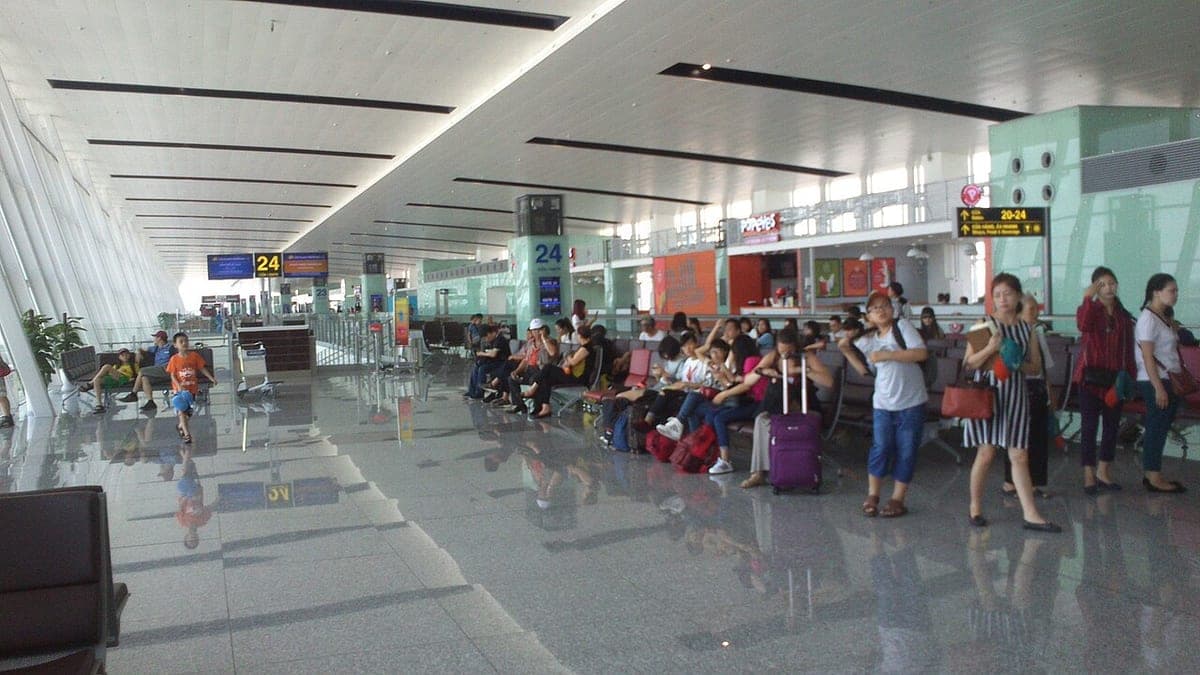
Complete 2026 guide to Vietnam eVisas for children, infants, and family groups—separate passport rules, group filing for up to 15 travelers, photos, fees, guardianship documents, immigration tips, and common family mistakes.
Vietnam Multiple Entry e-Visa 2026 - Ultimate 90-Day Guide
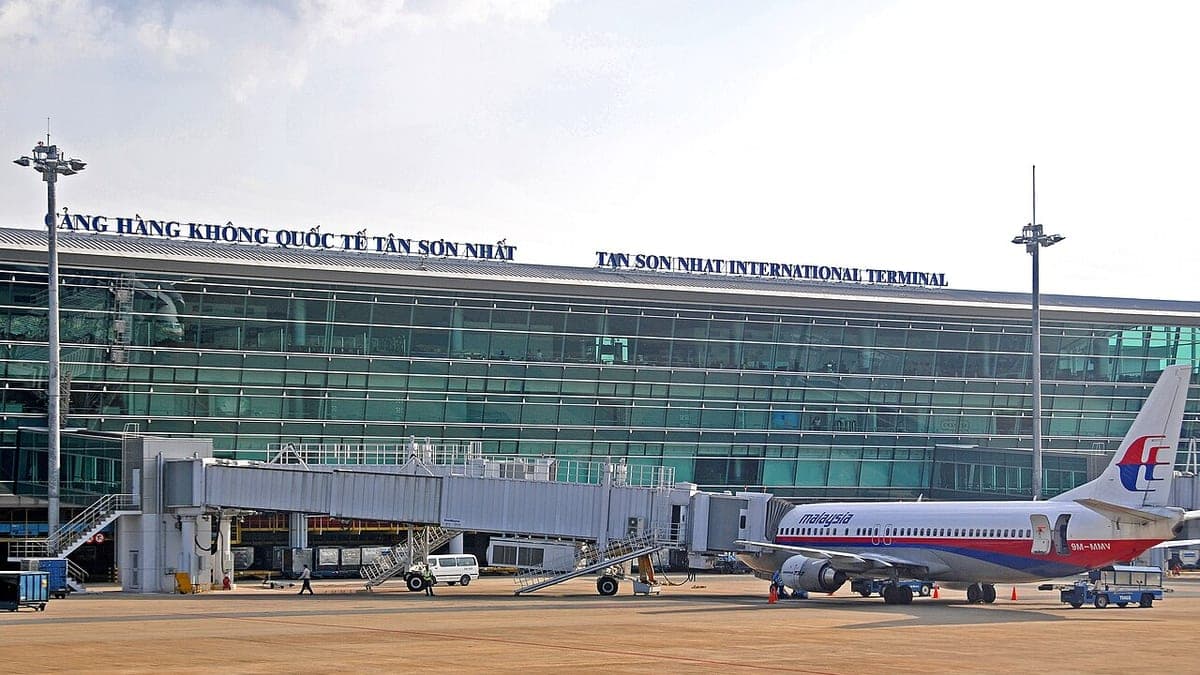
Vietnam multiple-entry eVisa 2026: when single entry fails, real travel plan examples, $55 vs $80 visa fees, how long visas stay valid, re-entry checks at the border, and mistakes that block your second crossing.
Why Vietnam eVisas Get Rejected in 2026: Top Reasons and How to Fix Them
Top Vietnam eVisa rejection reasons in 2026—document quality, passport data mismatches, eligibility issues, duplicate applications—and exactly what to fix before you reapply or fly.