Apply on vietnamemigration.com
Start your Vietnam eVisa here — visa type, travel dates, passenger details, secure payment, and document upload. No need to leave this site for another application page.
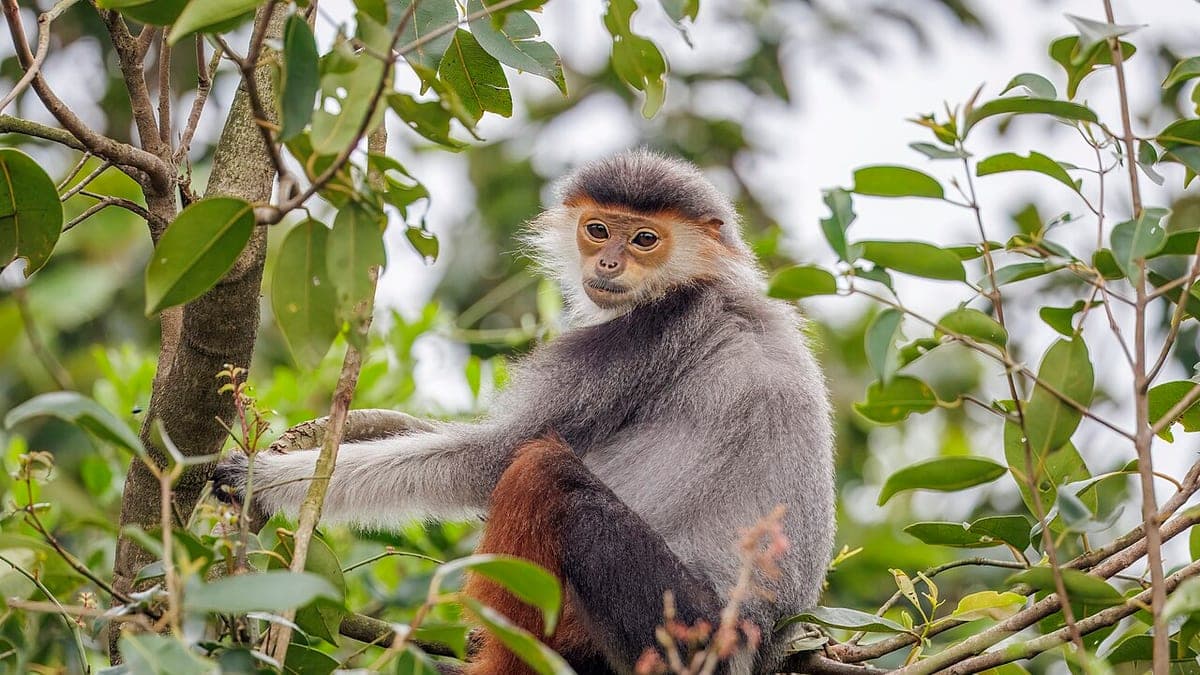
Vietnam's wildlife rewards early mornings, licensed guides who read the canopy, and travellers who accept that sightings are never guaranteed. This guide is for people who want ethical wildlife encounters—gibbon calls at dawn in Cat Tien, langurs in Cuc Phuong forest, hornbills crossing lowland rivers, reef fish off Cham Islands, and sea turtles on Con Dao nesting beaches—not generic nature tourism.
How this differs from our national parks overview: The Vietnam national parks planning guide compares parks by region, permits, caves, and sample routes. This article focuses on species, timing, behaviour, and responsible viewing at those same protected areas. Read both if you are building a full nature trip.
We are a private visa assistance service—not the Government of Vietnam. Ranger rules and marine park regulations are set by Vietnamese authorities. We help travellers prepare entry documents; the advice below is general travel guidance with costs in Vietnamese dong (VND).
Quick answer: best wildlife encounters at a glance
| Encounter | Best location | Best time of day | Best season | Fitness / access | Ethical note |
|---|---|---|---|---|---|
| Gibbons | Cat Tien | Dawn (05:30–07:30) | Nov–Apr | Easy–moderate; jeep + short walk | Licensed guides only; no playback calls |
| Langurs & primates | Cuc Phuong | Morning trails | Year-round; butterflies Apr–May | Easy–moderate | Rescue centre is education, not petting |
| Hornbills & lowland birds | Cat Tien, Ba Be edges | Dawn and dusk | Dry months | Easy with guide | Binoculars; stay on marked routes |
| Crocodiles (Siamese) | Cat Tien Crocodile Lake | Guided day routes | Nov–Apr | Moderate walk | Ranger-led stakeouts only |
| Reef fish & turtles | Con Dao, Cham Islands | Day snorkel; night turtles | Con Dao Nov–Apr; Cham Mar–Sep | Snorkel swim ability | Reef-safe sunscreen; no standing on coral |
| Otters & kingfishers | Ba Be Lake | Early boat trips | Mar–May, Sep–Nov | Easy | Quiet boats; no litter |
Visa planning note: Wildlife sites are inside Vietnam. Verify Vietnam visa eligibility by country and your Vietnam eVisa entry port before booking dawn safaris or Con Dao flights.
Wildlife watching vs national park sightseeing
Travellers often conflate "going to a national park" with "seeing animals." In Vietnam, the distinction matters for scheduling and expectations.
| Factor | National park sightseeing | Wildlife-focused encounter |
|---|---|---|
| Primary goal | Caves, viewpoints, boat trips | Species observation and behaviour |
| Timing | Mid-morning entry is common | Dawn and dusk are critical |
| Guides | Optional on many boardwalks | Licensed guides strongly recommended |
| Duration | Half-day may suffice | Two to three nights near park gates |
| Examples | Paradise Cave boardwalk | Cat Tien dawn gibbon listen |
| Success metric | Scenic photos | Patience, ethics, partial sightings |
Practical rule: If wildlife is the reason you are travelling, sleep inside or beside the park gate and book the first ranger jeep—not a day trip from a distant city.
Cat Tien National Park: gibbons, hornbills, and night eyeshine
Roughly 150 km from Ho Chi Minh City, Cat Tien shelters one of Vietnam's most accessible lowland rainforest wildlife corridors—gaur tracks, Siamese crocodile stakeouts at Crocodile Lake, and yellow-cheeked gibbon territories audible at dawn.
Dawn routine that actually works
- Night before: Check in at a lodge within 15 minutes of the park gate; confirm jeep booking and park entry time.
- 05:00–05:30: Meet licensed guide at headquarters—late arrivals miss gibbon peak calling.
- 05:30–07:30: Jeep to listening posts; stand quietly; guides identify calls by species and direction.
- 07:30–10:00: Forest walks on marked trails for hornbills, squirrels, and macaques—from distance.
- Optional evening: Night safari when permitted—red-filter torches; expect civet, deer, and porcupine eyeshine.
Never pursue elephants off-trail. Wild encounters are rare; approaching on foot is dangerous for you and stressful for animals.
Lodging and budget
| Cost type | Indicative range (VND) |
|---|---|
| Adult day entry | 50,000–120,000 |
| Shared jeep (dawn or night) | 100,000–250,000 |
| Lodge night (fan vs A/C) | 800,000–2,000,000 |
| Guide surcharge | 300,000–600,000 |
Dry season November through April concentrates wildlife near shrinking water sources—but parks get busier on domestic holidays. Book lodges early for Tet windows.
Who Cat Tien wildlife suits
Best for: First-time wildlife travellers in Vietnam, Saigon-based weekends, birders with binoculars, photographers with 200mm+ lenses.
Pros: Real lowland rainforest; structured dawn programmes; manageable logistics from SGN.
Cons: Not a safari guarantee; summer heat and mosquitoes; macaques at trailheads require food discipline.
Cuc Phuong National Park: langurs and primate conservation
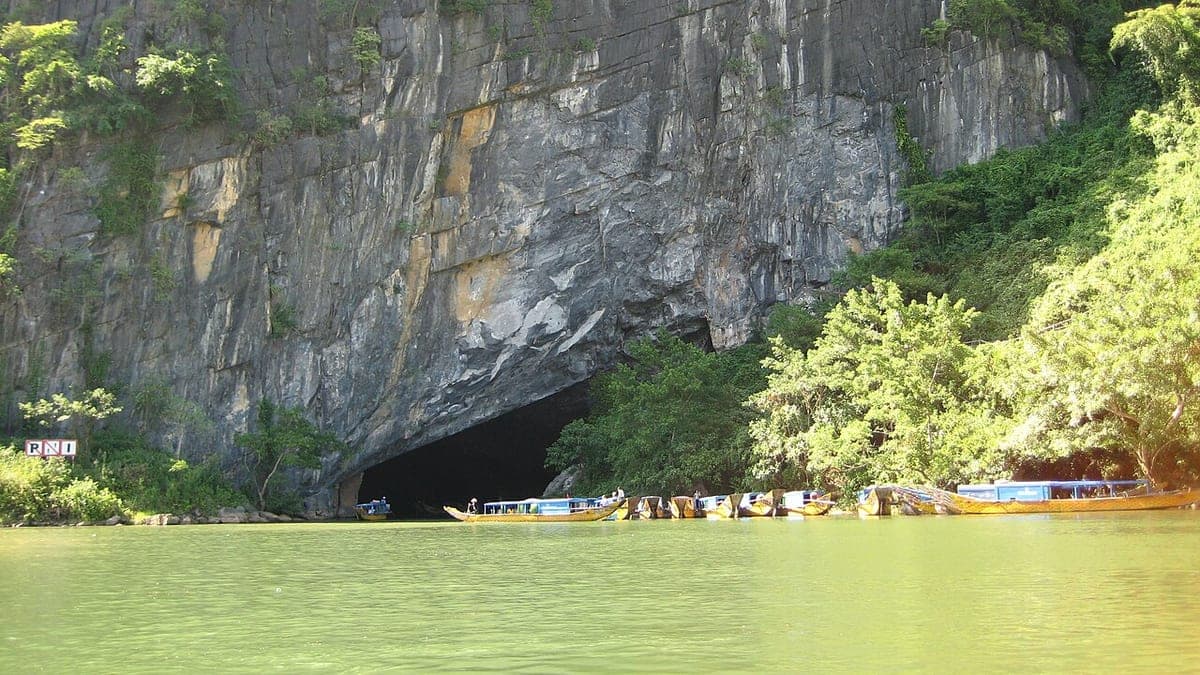
Cuc Phuong pairs ancient limestone forest with the Endangered Primate Rescue Center—one of Vietnam's most important ethical primate education sites, not a petting zoo.
What you can realistically see
- Delacour's langur and other endangered primates at the rescue centre (captive rehabilitation viewing).
- Wild langur sightings on forest trails—variable; early starts improve odds.
- April–May butterfly bursts across forest roads—macro photography highlight.
- Birdlife including barbets and pittas—hire park guides for calls and trail choice.
Route logic from Ninh Binh
Base in Ninh Binh for two nights: day one for Trang An karst; day two dawn at Cuc Phuong (roughly 45–60 minutes by road). Budget separate VND entry fees for each site—do not assume one ticket covers both.
Ethical line: Support rescue centres that prioritise rehabilitation and release. Refuse roadside "wildlife cafes" with chained civets or lorises elsewhere in the country.
Marine wildlife: Cham Islands and Con Dao
Terrestrial parks dominate wildlife headlines, but Vietnam's marine protected areas deliver equally sensitive encounters—with stricter rules.
Cu Lao Cham (Cham Islands) from Hoi An
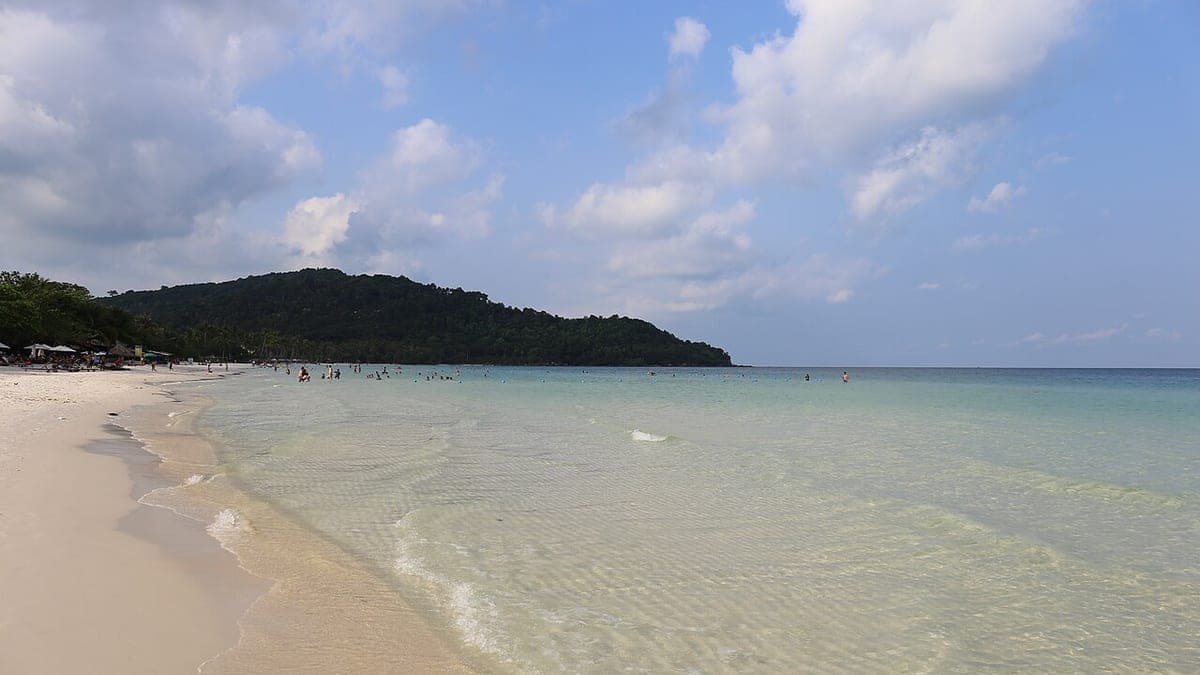
Cu Lao Cham marine park offers March through September snorkel clarity for reef fish, parrotfish, and occasional sea turtles in season.
- Conservation fees fund buoy-line maintenance—often 50,000–200,000 VND; carry small notes.
- Reef etiquette: Float fins above coral; never stand on heads; use reef-safe sunscreen.
- Boat timing: Morning departures beat afternoon chop from Hoi An piers.
Who it suits: Central-coast itineraries combining culture and half-day marine life—not dedicated diving weeks.
Con Dao National Park: turtles and reef depth
Con Dao protects green and hawksbill turtle nesting beaches, reef systems, and strict terrestrial zones.
| Activity | Season | Rules |
|---|---|---|
| Day diving / snorkel | Nov–Apr calmer seas | Licensed dive shops; marine fees |
| Turtle night walks | Nesting season (varies yearly) | Official ranger tours only |
| Photography | Night beaches | No flash—disorients hatchlings |
| Beach access | Nesting zones | Follow closed-beach signage |
Book Con Dao flights from Ho Chi Minh City early on holidays. Turtle tourism carries moral weight—choose operators that follow ranger protocols, not crowd-heavy unlicensed beach approaches.
Comparison: Cham Islands suit snorkel day trips from Hoi An; Con Dao suits three to five night marine-focused weeks with diving depth.
Ba Be and Phong Nha: quieter freshwater and forest edges
Not every wildlife moment requires a flagship mammal.
Ba Be Lake
Ba Be signs include otter tracks (rare sightings), kingfisher arcs over still water, and fish eagle passes. Quiet morning boat trips with local guides beat loud motor fleets. Pair with Tay village homestays for slow travel after busy Hanoi days.
Phong Nha forest margins
Away from cave ticket queues, Phong Nha forest hosts black giant squirrel leaps across ironwood and birdlife along river paddles. Kayak mornings on calm water levels suit wildlife photographers who already booked cave afternoons separately.
These edges reward travellers who read the national parks overview for cave logistics, then layer wildlife timing on top.
Responsible wildlife viewing checklist
Ethical encounters protect animals and keep parks open to respectful tourism.
| Do | Avoid |
|---|---|
| Hire park-approved guides | Selfie venues with chained mammals |
| Use binoculars and long lenses | Drone buzzing nests without permits |
| Pack permethrin-treated sleeves | Feeding macaques chip bags |
| Plastic-free lunches in forest | Off-trail shortcuts in breeding habitat |
| Log sightings on iNaturalist with GPS fuzzing for rare species | Purchasing ivory, pangolin, or wildlife products |
| Ask permission before photographing people in villages | Playback calls to force gibbon responses |
Health note: Dengue exists in lowland wildlife loops—repellent matters even when malaria risk is low on standard tourist routes. Check official health guidance only for remote border forest if applicable.
Gear for wildlife travellers
| Item | Why it matters |
|---|---|
| Binoculars (8x42 recommended) | Gibbons and hornbills stay high in canopy |
| Headlamp with red filter | Night safaris without blinding animals |
| Neutral-coloured clothing | Less visual disturbance on dawn walks |
| Quick-dry long sleeves | Sun, mosquitoes, and leeches in wet forest |
| Waterproof notebook or phone notes | Record guide names and ranger contact for ethics |
| Telephoto lens (200mm+) | Distance respect with usable images |
Launder mud-stained boots before domestic flights—security occasionally questions dusty packs; carry printed park receipts.
Budgeting wildlife days in VND
| Cost type | Indicative range |
|---|---|
| Adult day entry (most parks) | 50,000–120,000 |
| Shared jeep or boat | 100,000–250,000 |
| Guided night walk (Con Dao) | Park tariff + tip if allowed |
| Lodge night (Cat Tien) | 800,000–2,000,000 |
| Cham day snorkel tour | 400,000–800,000 |
| Con Dao dive (two tanks) | 1,500,000–2,500,000+ |
Wildlife trips cost more than urban travel when dawn jeeps, lodges, and guides stack across multiple nights. Withdraw VND in gateway cities before remote park gates.
Common mistakes wildlife travellers make
- Booking day tours from Ho Chi Minh City to Cat Tien—you arrive after gibbon dawn chorus ends.
- Expecting zoo certainty—rainforest wildlife is shy; two nights minimum improves odds.
- Using flash on turtle beaches—harms hatchlings; rangers may eject groups.
- Feeding macaques at trailheads—creates aggressive bag-snatching; never intentional.
- Choosing captive "wildlife parks" for selfies—undermines conservation and risks animal welfare violations.
- Skipping visa checks before Con Dao flights—confirm how to apply for a Vietnam eVisa online and processing time before non-refundable bookings.
- Confusing park cave tickets with wildlife programmes—Phong Nha boardwalks are geology-first; forest edges need separate dawn planning.
Visa and entry logistics for nature travellers
Wildlife destinations are inside Vietnam. Your Vietnam eVisa covers domestic flights to Tan Son Nhat (SGN), Noi Bai (HAN), or Da Nang (DAD) once you have entered legally.
Practical steps:
- Confirm Vietnam eVisa requirements for your nationality.
- Match entry port to first landing—especially if flying into Da Nang for Cham Islands.
- Review Vietnam eVisa photo requirements to avoid delays.
- Families need documents per traveller—Vietnam eVisa for families and minors.
- Compare Vietnam eVisa vs embassy visa if your case is non-standard.
Private assistance note: We are not the government—we help travellers prepare complete applications; approval rests with immigration authorities.
Sample wildlife-focused route logic
7-day south-centred wildlife loop (enter SGN):
| Days | Base | Wildlife focus |
|---|---|---|
| 1–3 | Cat Tien | Dawn gibbons, night jeep, Crocodile Lake |
| 4 | Ho Chi Minh City buffer | Laundry, gear prep |
| 5–7 | Con Dao | Diving, turtle walk if season permits |
10-day north-centred loop (enter HAN):
| Days | Base | Wildlife focus |
|---|---|---|
| 1–2 | Cuc Phuong | Primate centre, dawn forest |
| 3–5 | Ba Be | Lake birds, village homestay |
| 6–10 | Fly to Da Nang → Hoi An → Cham | Reef snorkel in season |
Adjust for flood season in central Vietnam—September through November may pause forest and boat plans.
Frequently asked questions
Where is the best place to see gibbons in Vietnam?
Cat Tien at dawn with licensed guides. Cuc Phuong educates on primates but wild gibbon encounters are less consistent than Cat Tien listening posts.
Is it legal to touch or feed wildlife in Vietnam?
No—avoid feeding macaques, touching captive animals at unlicensed venues, or using flash on turtle beaches. Follow ranger instructions.
How is wildlife watching different from visiting national parks?
Wildlife trips prioritise species-active hours, guides, and multi-night park-edge stays. Park sightseeing may focus on caves and scenery with flexible mid-day entry.
How much do wildlife park entries cost?
Roughly 50,000–120,000 VND entry plus 100,000–250,000 VND jeep or boat surcharges—varies by park.
When is the best season for wildlife watching?
November–April for southern lowland parks; March–September for central snorkel; confirm storms before marine bookings.
Can I see elephants in the wild?
Extremely rare; never pursue off-trail. Ethical tourism does not guarantee elephant encounters.
Are ethical wildlife sanctuaries available?
Cuc Phuong's primate rescue centre is a model for education. Avoid selfie wildlife cafes.
Do I need a visa for wildlife tourism?
Yes—standard Vietnam entry documents apply. Wildlife sites have no separate permit beyond park and marine fees.
Closing summary
Vietnam wildlife rewards patience, ethics, and dawn alarms—not checklist tourism. Cat Tien for gibbons and lowland forest, Cuc Phuong for primate conservation education, Cham Islands and Con Dao for marine life with strict ranger rules. Pair this guide with the national parks planning overview for permits, regional comparisons, and cave logistics.
Verify eligibility, confirm your entry port, and apply early enough to protect non-refundable lodge deposits. We are a private visa assistance service, not the Government of Vietnam.
Apply for your Vietnam eVisa before you wire park lodges or dive deposits—or check your requirements while building the itinerary.
Related travel guides
Ready to apply? Use our guided 4-step form on this site.
Apply for Vietnam eVisaRelated Articles

Vietnam eVisa for Children & Families (2026): Complete Group Application Guide
Complete 2026 guide to Vietnam eVisas for children, infants, and family groups—separate passport rules, group filing for up to 15 travelers, photos, fees, guardianship documents, immigration tips, and common family mistakes.

Vietnam Multiple Entry e-Visa 2026 - Ultimate 90-Day Guide
Vietnam multiple-entry eVisa 2026: when single entry fails, real travel plan examples, $55 vs $80 visa fees, how long visas stay valid, re-entry checks at the border, and mistakes that block your second crossing.

Why Vietnam eVisas Get Rejected in 2026: Top Reasons and How to Fix Them
Top Vietnam eVisa rejection reasons in 2026—document quality, passport data mismatches, eligibility issues, duplicate applications—and exactly what to fix before you reapply or fly.