Apply on vietnamemigration.com
Start your Vietnam eVisa here — visa type, travel dates, passenger details, secure payment, and document upload. No need to leave this site for another application page.
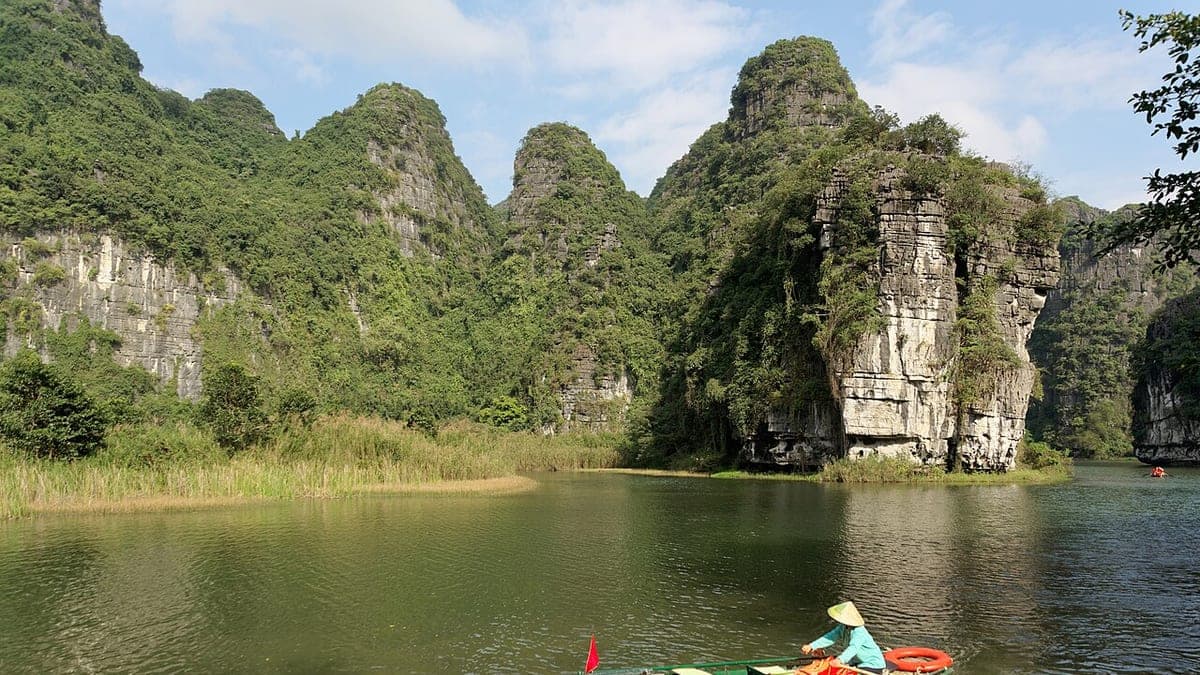
Vietnam packs limestone scale, river caves, and knife-edge mountain roads into a country you can cross by domestic flight in two hours—yet each adventure region demands different fitness, seasons, and gear. This guide helps you plan adventure travel in Vietnam for 2026: Phong Nha caving, Tu Lan swim-through days, Ha Giang motor loops, Ha Long and Lan Ha kayaking, and how to stack multiple activities into one trip without burning out on buses.
We are a private visa assistance service—not the Government of Vietnam. Tour safety rules and park access are set by local operators and authorities. We help travellers prepare entry documents; costs below are indicative VND planning bands for 2026.
For national park permits and regional park comparisons, see the Vietnam national parks guide. For Fansipan summits and trekking fitness, see the Vietnam mountain trekking guide.
Quick answer: Vietnam adventure at a glance
| Activity | Base | Fitness | Best season | Typical cost (VND) | Who it suits |
|---|---|---|---|---|---|
| Show caves (Paradise, Phong Nha) | Phong Nha | Easy | Mar–May; Sep (check floods) | 150,000–300,000 entry | Families, first-timers |
| Dark Cave zipline / mud | Phong Nha | Moderate | Mar–May | Tour packages | Groups wanting adrenaline |
| Tu Lan 1-day swim | Phong Nha | Moderate | Dry months | 2,000,000–4,000,000+ | Confident swimmers |
| Ha Giang motor loop | Ha Giang city | Moderate–high | Oct–Apr | 1,200,000–2,500,000/day guided | Riders or easy-rider pillions |
| Ha Long / Lan Ha kayak | Hanoi / Cat Ba | Easy–moderate | Mar–May, Sep–Nov | Cruise packages | Bay photographers |
| Canyoning | Da Lat | Moderate | Wet season waterfalls | 1,500,000–3,000,000 | Waterfall rappel fans |
| Kitesurfing | Mui Ne | Moderate | Nov–Mar thermals | Lesson tiers vary | Wind sports travellers |
Visa planning note: Confirm Vietnam visa eligibility by country and Vietnam eVisa entry ports before wiring non-refundable adventure deposits.
How to plan a multi-activity adventure week
The biggest mistake is treating Vietnam like a theme park menu—one day caves, next day Ha Giang, third day Ha Long—without accounting for drive time, recovery, and seasonal floods.
Regional clustering logic
| Region | Flagship adventures | Gateway | Minimum nights |
|---|---|---|---|
| Far north | Ha Giang loop, Ba Vi day rides | Hanoi (HAN) | 4–5 for loop |
| North / Gulf | Ha Long, Lan Ha kayak, Cat Ba hikes | Hanoi | 2–3 for bay |
| Central | Phong Nha caves, Tu Lan | Dong Hoi / Hue | 3–4 for caves |
| Central highlands | Da Lat canyoning | Da Lat (DLI) | 2 |
| South coast | Mui Ne kitesurf | Phan Thiet | 3–4 |
Rule of thumb: Two flagship adventures per 10–14 day trip with one recovery day between humid cave multi-days and long motor loops.
Fitness and recovery sequencing
- Easier first: Show caves and bay kayaking acclimate you to heat and boat logistics.
- Harder middle: Tu Lan swim day or Ha Giang loop when energy is highest.
- Buffer last: Urban recovery in Hanoi or Ho Chi Minh City before international flights—ear infections and saddle soreness are common after cave and bike weeks.
Phong Nha–Ke Bang: Vietnam's cave adventure capital
Phong Nha–Ke Bang hosts boardwalk show caves and expedition-grade underground rivers—the anchor of most Vietnam caving itineraries.
Cave tiers by fitness and commitment
| Trip | Fitness | Cost band (VND) | Lead time |
|---|---|---|---|
| Paradise Cave boardwalk | Easy | 150,000–300,000 | Walk-in |
| Phong Nha Cave boat | Easy | 150,000–250,000 + boat | Same day |
| Dark Cave (zipline, mud) | Moderate | Bundled tours | 1–3 days |
| Tu Lan 1-day swim-through | Moderate; swim confidence | 2,000,000–4,000,000+ | Book ahead |
| Tu Lan 2–4 day expedition | Strong | 8,000,000–20,000,000+ | Weeks ahead |
| Son Doong expedition | Elite screening | Tens of millions | Months ahead |
September through November: Central Vietnam flood season—operators pause river caves when water rises. Read go/no-go policies before non-refundable deposits.
Operator and safety essentials
- Book licensed operators with helmets, headlamps, and dry bags included.
- Confirm insurance covers caving and swimming—not all policies do.
- Photograph rental gear at handover—disputed scratches happen.
- Carry cash in Phong Nha village; ATMs exist but queues form on holidays.
Who Phong Nha adventure suits
Best for: Cave enthusiasts, swimmers comfortable in underground rivers, north–south overland travellers.
Pros: World-class scale at multiple difficulty tiers; strong operator ecosystem.
Cons: Flood season disruption; remote cash economy; show caves crowd on domestic holidays.
Kayaking: Ha Long, Lan Ha, and Phong Nha rivers
Kayaking connects adventure travellers to water without full dive certification.
Ha Long and Lan Ha bays
- Most overnight cruises include 45–90 minute kayak slots through karst channels.
- Lan Ha Bay (Cat Ba side) sees fewer mega-junks—better for paddlers who want quieter water.
- Pack dry bags, UV gloves, and reef-safe sunscreen; wear provided PFDs always.
- Best seasons: March–May and September–November; winter northeast monsoon brings chop November–February.
Budget: Cruise packages often 1,500,000–4,000,000 VND per person for one night; kayaking usually included—confirm before booking.
Phong Nha river paddles
Cornfield-backed river kayaks suit beginners when water levels cooperate—pair with afternoon show cave visits. Flood season may cancel; flexible dates help.
Safety: Offshore and bay winds shift quickly; never separate from guide boats in open channels.
Ha Giang Loop: motor adventure without recklessness
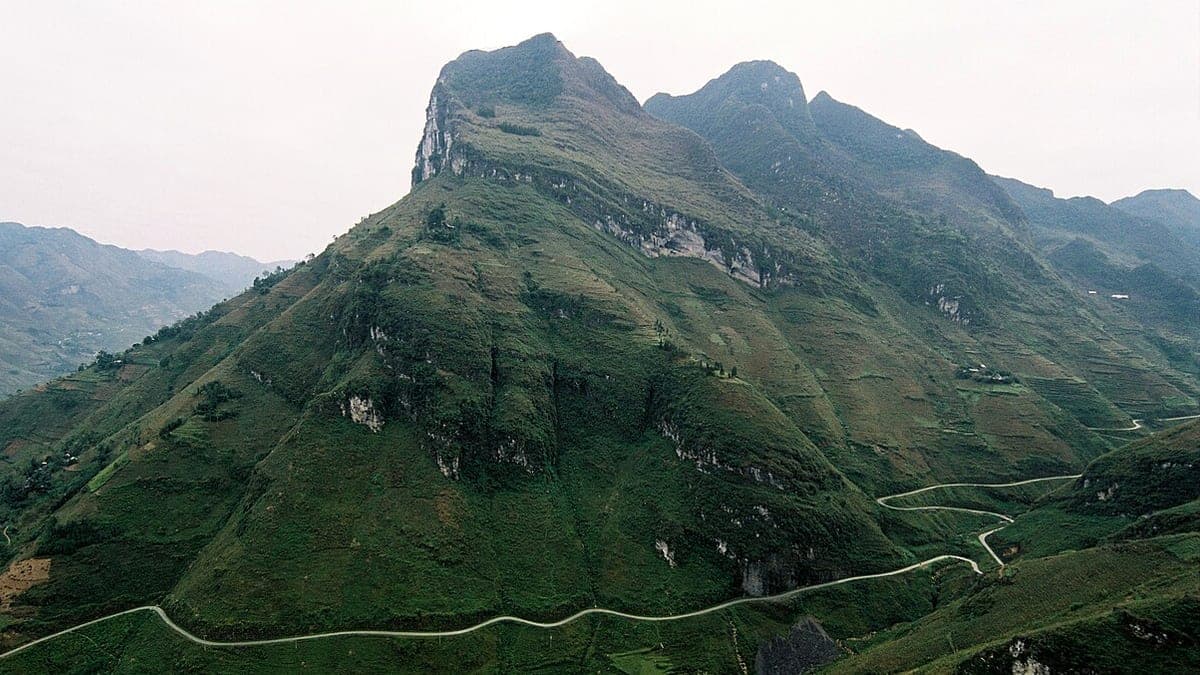
The Ha Giang plateau delivers Ma Pi Leng Pass vistas, Hmong market colour, and Dong Van stone-plateau geography—a road journey, not a single summit hike.
Loop structure (typical 3–4 days)
| Day | Route highlight | Notes |
|---|---|---|
| 1 | Ha Giang → Yen Minh | Market stops; acclimate to mountain roads |
| 2 | Yen Minh → Dong Van | Quan Ba sky gate; photo discipline on edges |
| 3 | Dong Van → Meo Vac → Ma Pi Leng | Flagship pass; fuel before remote stretches |
| 4 | Return to Ha Giang | Buffer weather and mechanical delays |
October–November brings buckwheat bloom photography; October–April generally offers drier road conditions.
Licences, insurance, and guided alternatives
International riders need a motorcycle licence matching bike displacement and travel insurance listing motorsport or off-road riding. Police checkpoints occur—riding without proper documents risks fines and uninsured accidents.
Easy-rider pillion tours with local drivers cost about 1,200,000–2,500,000 VND per day, often including homestays and simple meals. Fuel surcharges apply on longer loops.
Automatic scooters still demand traffic experience—consider a driver if Hanoi chaos is new to you. Mountain fog drops visibility without warning; pack rain shells and gloves.
Who Ha Giang suits
Best for: Confident riders or travellers happy as pillions, photographers, cultural travellers comfortable in homestays.
Pros: Among Southeast Asia's most dramatic road scenery; strong homestay network.
Cons: Not beginner-friendly for self-riders; gravel edges and fog; long bus from Hanoi (roughly 6–7 hours).
Secondary adrenaline: Da Lat, Mui Ne, and coast options
Not every adventure week centres on caves and Ha Giang.
| Activity | Base | Season | Cost band (VND) | Notes |
|---|---|---|---|---|
| Canyoning | Da Lat | Wet-season waterfalls strongest | 1,500,000–3,000,000 | Verify harness and guide certs |
| Kitesurfing | Mui Ne | Nov–Mar afternoon thermals | Lessons tiered | Board storage at schools |
| Freedive clinics | Nha Trang | Calmer seas vary | Operator-dependent | Check instructor credentials |
| Marble Mountains abseil | Da Nang | Year-round | Half-day tours | Combine with central coast |
Each prices lessons in VND tiers from cooperatives to resort brands—compare inclusions (transport, lunch, photos) not headline price alone.
Safety, insurance, and gear recovery
Adventure travel fails when insurance gaps appear after an injury.
Insurance checklist
- Policy explicitly lists caving, kayaking, motorsports, or abseiling—not just medical evacuation.
- Declare pre-existing conditions if required; adventure riders often need activity riders.
- Save operator emergency numbers offline—signal dies on Ha Giang passes.
On-trip recovery habits
- Buffer a rest day in Hanoi or HCMC after humid multi-day caves—ear infections happen.
- Photograph rental gear scratches at handover and return.
- Hydration bladders survive bouncing saddlebags better than rigid bottles on dusty roads.
- List Vietnam eVisa validity covering every adventure day plus buffer nights before homestay deposits.
Sustainable adventure etiquette
- Marked trails and cave paths only—karst erodes when shortcuts form.
- Carry out all wrappers; refuse coral or wildlife souvenirs.
- Tip porters in VND where cooperatives allow—some publish no-tip policies on lobby boards.
- Reef-safe sunscreen on bay kayak days; no standing on coral in snorkel add-ons.
Budget planning in VND
| Expense | Typical range | Cash or card? |
|---|---|---|
| Phong Nha show cave | 150,000–300,000 | Cash common |
| Tu Lan 1-day | 2,000,000–4,000,000+ | Deposit + balance |
| Ha Giang guided day | 1,200,000–2,500,000 | Cash for extras |
| Bike rental (self-ride) | 150,000–300,000/day | Deposit |
| Ha Long 1-night cruise | 1,500,000–4,000,000+ | Mixed |
| Canyoning day | 1,500,000–3,000,000 | Often cash |
Withdraw dong in gateway cities before remote loops.
Sample adventure route logic
12-day north–central adventure (enter HAN, exit DAD or SGN)
| Days | Base | Activity |
|---|---|---|
| 1–2 | Hanoi buffer | Arrival, gear check |
| 3–4 | Ha Long / Lan Ha | Overnight cruise + kayak |
| 5 | Hanoi transit | Rest, bus north prep |
| 6–9 | Ha Giang loop | Motorbike or easy-rider |
| 10–12 | Phong Nha | Show cave + Tu Lan day |
10-day central-focused (enter HAN or DAD)
| Days | Base | Activity |
|---|---|---|
| 1–4 | Phong Nha | Caves + river kayak |
| 5–6 | Hue / Bach Ma | Ridge hike buffer |
| 7–10 | Da Nang / Hoi An | Marble Mountains, optional Cham snorkel |
Skip Ha Giang if you have under ten days—it deserves its own block.
Common mistakes adventure travellers make
- Booking Tu Lan during peak flood weeks without flexible dates.
- Self-riding Ha Giang without licence and insurance—accidents are costly and common for novices.
- Stacking adventures without recovery days—fatigue drives mistakes on passes and in caves.
- Buying medical-only insurance—caving and motorsport exclusions void claims.
- Ignoring entry port on eVisa—flying into Da Nang requires port listing; see Vietnam eVisa entry ports.
- Applying for visa after tour deposits—review processing time and how to apply online first.
- Treating automatic scooters as beginner vehicles on Ma Pi Leng—hire a driver instead.
Visa and entry planning for adventure travellers
Adventure regions use standard Vietnam entry—no separate adventure permit.
Practical steps:
- Verify Vietnam eVisa requirements guide.
- Match first landing to approved port—HAN for Ha Giang/Ha Long, DAD for central coast, SGN for southern add-ons.
- Review Vietnam eVisa fees explained and photo requirements.
- Extensions are uncertain—plan duration upfront via Vietnam eVisa extension guide.
- Multiple-entry needed for Cambodia loops—Vietnam multiple-entry eVisa guide.
Private assistance note: We help avoid application mistakes; approval rests with immigration authorities.
Frequently asked questions
Is Vietnam good for adventure travel in 2026?
Yes—caves, bay kayaking, Ha Giang loops, canyoning, and kitesurfing cover varied fitness levels. Book licensed operators and carry VND cash.
How fit do I need to be for Tu Lan or Son Doong?
Show caves are easy; Tu Lan needs moderate swim fitness; Son Doong requires expedition screening and stamina.
Can foreigners ride motorbikes on the Ha Giang loop?
Yes with valid licence and insurance—or hire easy-rider drivers at roughly 1,200,000–2,500,000 VND per day.
What travel insurance do I need?
Policies must explicitly cover your activities—caving, kayaking, motorsports—not generic medical-only plans.
How do I combine multiple adventures?
Cluster by region; allow recovery days; two flagships per 10–14 days is realistic.
When is the best season?
October–April for north loops; avoid central flood months September–November for river caves without flexibility.
How much does a Ha Giang loop cost?
Guided packages often 1,200,000–2,500,000 VND per day including homestays; self-ride adds rental and fuel.
Do I need a visa?
Standard Vietnam entry documents apply. Apply before non-refundable tour deposits.
Closing summary
Vietnam adventure travel works when you cluster regions, match fitness to cave and road tiers, and respect flood seasons in central Vietnam. Phong Nha for caves, Ha Giang for motor drama, Ha Long and Lan Ha for paddling among karsts—stack them with recovery days, licensed operators, and insurance that actually covers your activities.
Confirm eligibility, entry port, and processing time before adventure deposits. We are a private visa assistance service, not the Government of Vietnam.
Apply for your Vietnam eVisa when your adventure dates and operators are chosen—or check your requirements while building the route.
Related travel guides
Ready to apply? Use our guided 4-step form on this site.
Apply for Vietnam eVisaRelated Articles

Vietnam eVisa for Children & Families (2026): Complete Group Application Guide
Complete 2026 guide to Vietnam eVisas for children, infants, and family groups—separate passport rules, group filing for up to 15 travelers, photos, fees, guardianship documents, immigration tips, and common family mistakes.
Vietnam Multiple Entry e-Visa 2026 - Ultimate 90-Day Guide
Vietnam multiple-entry eVisa 2026: when single entry fails, real travel plan examples, $55 vs $80 visa fees, how long visas stay valid, re-entry checks at the border, and mistakes that block your second crossing.
Why Vietnam eVisas Get Rejected in 2026: Top Reasons and How to Fix Them
Top Vietnam eVisa rejection reasons in 2026—document quality, passport data mismatches, eligibility issues, duplicate applications—and exactly what to fix before you reapply or fly.