Apply on vietnamemigration.com
Start your Vietnam eVisa here — visa type, travel dates, passenger details, secure payment, and document upload. No need to leave this site for another application page.
If you are building a Vietnam photography itinerary and need to know where to shoot, when the light works, and what logistics actually cost, this guide maps the country’s strongest frames—not generic “beautiful Vietnam” lists. Ha Long Bay, Hoi An, and Sapa remain the tripod trio most travellers combine, but strong 2026 shoots also include Hanoi’s Old Quarter, Da Nang’s Golden Bridge, Phong Nha caves, and Mekong Delta dawn markets when your route allows.
We are a private visa assistance service—not the Government of Vietnam. Drone permits, park fees, and heritage-site photography rules are set by local authorities and operators. We help travellers prepare entry documents; the planning advice below is general travel guidance based on common 2026 routes and costs quoted in Vietnamese dong (VND).
Quick answer: best Vietnam photography spots at a glance
| Location | Best for | Ideal shoot window | Best season | Budget (mid-range/day) | Who it suits |
|---|---|---|---|---|---|
| Ha Long / Lan Ha Bay | Karst seascapes, kayak angles, cruise decks | Dawn, blue hour | Mar–May, Sep–Nov (calmer seas) | 1,500,000–4,000,000 VND (cruise-inclusive) | Landscape shooters, first-time Vietnam |
| Hoi An Ancient Town | Lanterns, ochre alleys, river reflections | 05:30–07:00; 30–60 min after sunset | Feb–Aug (fewer storms) | 600,000–1,500,000 VND | Street, travel, night photography |
| Sapa + Lao Chai–Ta Van | Terraced lines, mist, portrait culture | Sunrise; late afternoon | Apr–Jun (green); Sep–Oct (harvest) | 800,000–2,000,000 VND | Telephoto landscape, documentary |
| Hanoi Old Quarter | Street life, coffee culture, night markets | Early morning; after 20:00 | Oct–Apr (cooler, clearer north) | 500,000–1,200,000 VND | Street photographers |
| Golden Bridge (Ba Na Hills) | Iconic architecture, cloud inversions | Morning before tour peaks | Mar–Sep (fewer low clouds) | 900,000–1,500,000 VND (cable car) | Social, architecture, drone-free icons |
| Phong Nha–Ke Bang | Cave scale, jungle rivers | Mid-morning in caves; golden hour outside | Feb–Aug | 700,000–1,800,000 VND | Wide-angle, adventure travel |
| Mekong Delta | Floating markets, river life | 05:00–08:00 | Nov–Apr (dry season) | 600,000–1,400,000 VND | Documentary, colour |
Visa planning note: Photography trips cross domestic regions freely once you have entered Vietnam legally. Verify Vietnam visa eligibility by country and confirm your Vietnam eVisa entry port matches your first international landing—Noi Bai (HAN) for north-first routes, Da Nang (DAD) for central-first loops—before booking non-refundable cruises or photo tours.
How Vietnam’s photo regions differ
Vietnam compresses dramatic light zones into a narrow S-shaped coast. Shooting efficiently means matching region to season and subject to lens choice:
- Northern mountains and bays: Cooler air, fast-moving cloud, and terraced geometry reward telephoto lenses and patience. Winter mist can hide Sapa for days—or deliver once-in-a-trip atmosphere.
- Central heritage coast: Hoi An, Hue, and Da Nang deliver colour, symmetry, and lantern glow. Typhoon season (roughly September–December) can wipe out beach and boat shoots for a week.
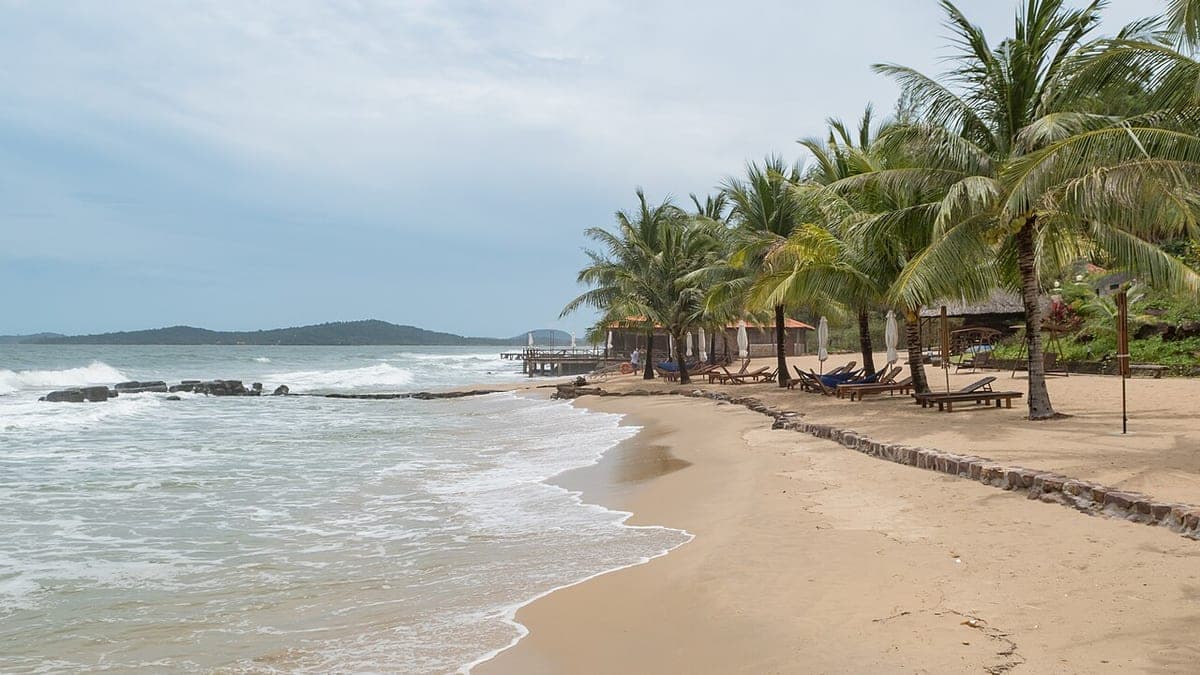
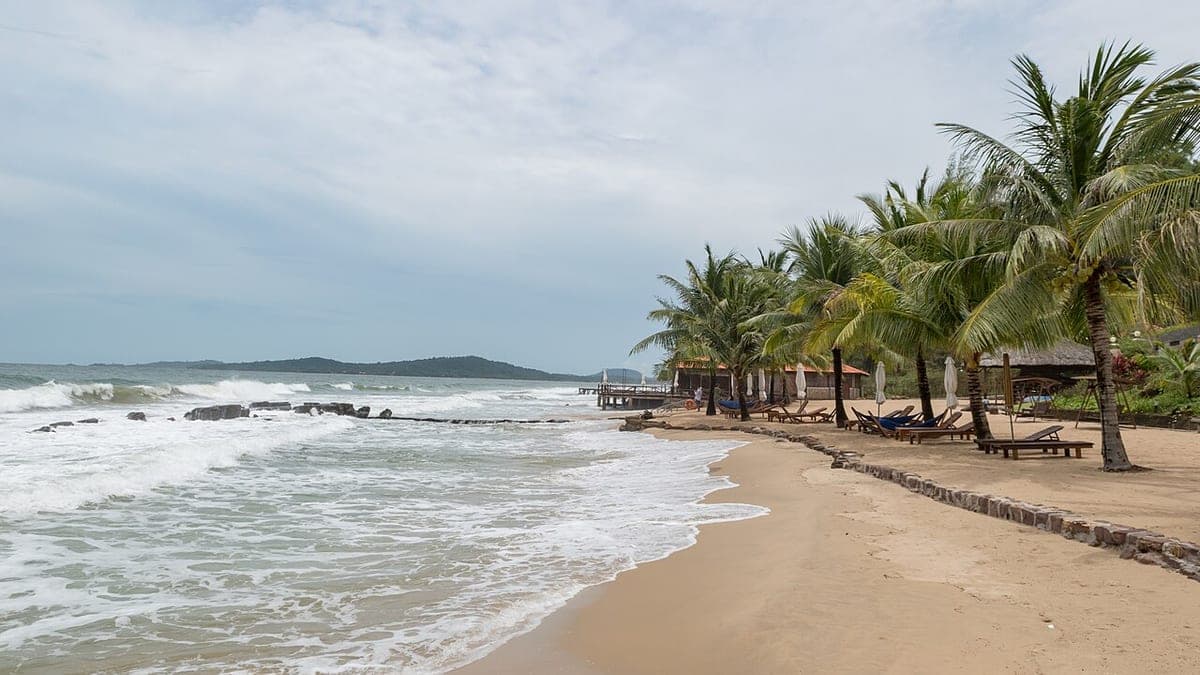
- Southern delta and islands: Warmer, flatter light; floating markets and palm-lined rivers suit early-riser documentary work. Pair with our Vietnam beach holidays guide if sand scenes matter.
The most common planning error is treating Vietnam like a checklist: one night per icon. Strong portfolios come from repeating locations at the right hour, not ticking names on a tour bus schedule.
Ha Long Bay and Lan Ha: karst drama at water level
Ha Long Bay is Vietnam’s most photographed seascape—thousands of limestone pillars rising from the Gulf of Tonkin. Lan Ha Bay, accessed from Cat Ba Island, offers similar karst with fewer mega-junks and stronger kayaking access.
When and where to shoot
| Time | Subject | Technique |
|---|---|---|
| Pre-dawn to sunrise | Fog-softened peaks, empty decks | Tripod on stable bow; expose for sky gradation |
| Golden hour | Side-lit pillars from kayak | Polariser to cut haze; shoot low near waterline |
| Midday | Harsh contrast on transfers | Use as travel time; bracket exposures if you must shoot |
| Blue hour | Mooring scenes, village lights | Long exposures from deck—mind boat movement |
Overnight cruises (1,500,000–4,000,000+ VND per person in peak season for mid-range cabins) buy two sunrises—the single biggest upgrade over day boats that return before the best light. Compare passenger caps, engine-noise policies, and whether kayaking is included before paying.
Lens and composition notes
- 24–70mm handles most boat compositions; 70–200mm isolates individual pillars against negative space.
- Kayak-low angles add depth between karst walls—coordinate timing with operators so you are on the water at dawn, not after breakfast service.
- Polarisers cut haze on afternoon transits when top light is unavoidable.
- Avoid cluttering frames with orange life jackets on deck—frame tighter or shoot when passengers are below.
Ha Long vs Lan Ha: which to choose?
Ha Long delivers the famous name and densest pillar fields—ideal if your portfolio needs the recognisable icon. Lan Ha suits photographers who want quieter channels and Cat Ba hiking add-ons. Many Hanoi-based shooters book two-night Lan Ha routes from Cat Ba for a better light-to-crowd ratio. See our best islands in Vietnam guide for ferry and Cat Ba logistics.
Typical mistake: Booking a one-night cruise and expecting both sunset and sunrise perfection—weather and mooring location dictate results. Buffer one extra bay day if Ha Long is a portfolio priority.
Hoi An Ancient Town: lanterns, symmetry, and empty alleys
Hoi An is Vietnam’s strongest heritage street shoot—ochre walls, wooden balconies, and silk lanterns reflected in the Thu Bon River. It is also crowded; success depends on time-of-day discipline, not luck.
Day and night workflow
| Time | Subject | Notes |
|---|---|---|
| 05:30–07:00 | Empty alleys, market prep, bicycle blur | Beat tour buses; respectful distance at produce stalls |
| Golden hour | Tran Phu facades, Japanese Covered Bridge | Pastel skies; shoot facades from opposite riverbank |
| Midday | Interior courtyards, tailor shops, café details | Harsh exterior light—go intimate or rest |
| 30–60 min after sunset | Lantern glow, river reflections, bridge silhouettes | Tripods allowed on many spots—keep walkways clear |
Practical Hoi An photography tips
- Heritage ticket: A town entry booklet (often around 120,000 VND—verify at the gate) covers several ticketed heritage houses—useful for controlled interior frames.
- Private courtyards may request 20,000–50,000 VND photography fees—pay when asked; arguing on doorsteps ruins access for everyone.
- River boat portraits of lantern reflections work best on calm evenings—ask boat pilots to hold position briefly; tip in VND.
- Full moon nights draw extra crowds; paradoxically, some shooters prefer weeknight stays in low season for cleaner alleys.
Who Hoi An suits—and when to skip
Best for: Travel and street photographers who enjoy night exposures and colour. Less ideal for: Pure wilderness shooters with no patience for crowds. If you only have one afternoon in harsh sun, Hoi An feels overrated—schedule at least one dawn and one lantern session.
Route logic: Base in Hoi An or Da Nang (30–45 minutes north). Fly or train to Da Nang International Airport (DAD) if central Vietnam is your first landing—confirm DAD matches your Vietnam eVisa entry port.
Sapa and northern terraces: lines, mist, and ethical portraits
Sapa town sits above a valley of Hmong and Dao communities. The signature frames—graphic rice terraces in telephoto compression—come from trails toward Lao Chai, Ta Van, and Cat Cat, not from the town’s main street souvenir strip.
Seasonal colour and weather (approximate)
- Electric green terraces: often April–June after planting rains.
- Harvest gold: often September–early October—confirm dates locally; elevation shifts timing.
- Winter mist: November–February can blanket valleys for days or lift to ethereal layers at sunrise.
Rain and mud are operational realities: waterproof boots, gaiters, rain covers, and lens wipes are not optional. Cloud moves fast—stay at a viewpoint through a clearing rather than hiking away at the first fog bank.
Lens choice and trail logistics
- 70–200mm or 100–400mm compress terrace lines from across valleys.
- 24mm works for trail context and homestay scenes—pair wide and telephoto if weight allows.
- Fansipan cable car and summit viewpoints add cloud-inversion potential—acclimatise before adding altitude; see our Vietnam trekking guide for mountain pacing.
Ethical portrait and village access
Ethnic minority communities are not backdrop props. Practical ethics that also produce better images:
- Hire licensed local guides through cooperatives; agree modeling or trail-access fees in VND upfront.
- Ask permission before close portraits; accept “no” without argument.
- Never stage “posed poverty”—authorities and communities increasingly push back on exploitative setups.
- Market scenes: a respectful distance often works when individuals decline close-ups.
Sapa guide half-days often run 400,000–800,000 VND—worth paying for access timing that avoids bus convoy peaks.
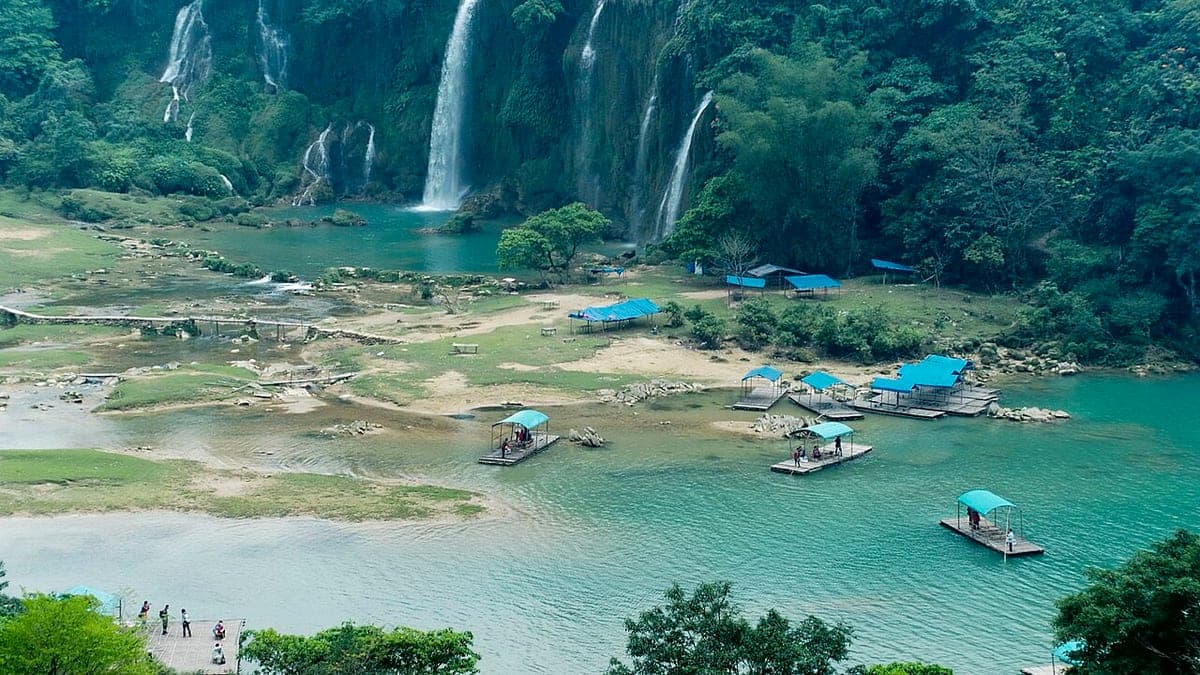
Hanoi Old Quarter: street life without the bay cruise
International flights into Noi Bai (HAN) make Hanoi the default first-night base—and the Old Quarter rewards photographers who wake early. Narrow tube houses, motorbike flow, egg coffee cafés, and night market neon suit 35mm and 50mm street work.
Best Hanoi shoots
- 06:00–08:00: Hoan Kiem Lake joggers, lakeside tai chi, soft north light.
- Train Street (Phung Hung area): Iconic but regulated—verify current access rules before planning shots; authorities periodically restrict tourist track standing for safety.
- Long Bien Bridge: Rust and river mist at sunrise—mind traffic lanes and tripods on active roadways.
- After 20:00: Ta Hien beer-street energy and food stalls—high ISO or fast primes.
Allow two nights in Hanoi if street photography matters—one morning is rarely enough once jet lag hits.
Golden Bridge and central coast add-ons
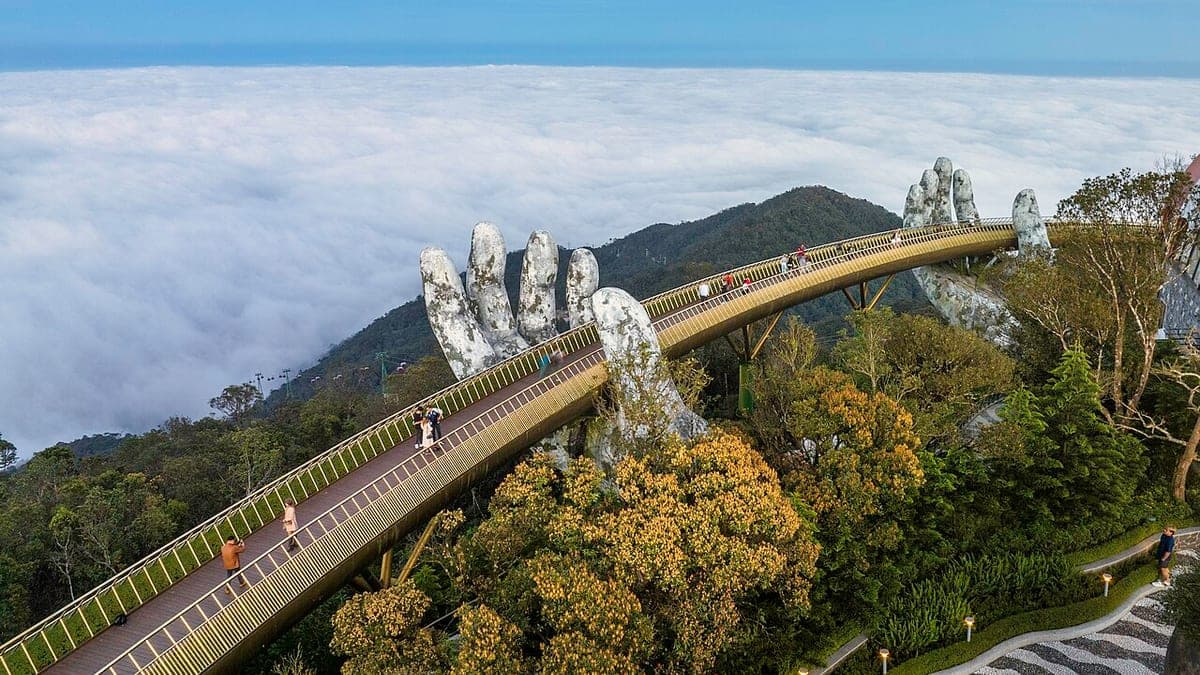
Da Nang is not only an airport hub. The Golden Bridge (Cầu Vàng) at Sun World Ba Na Hills—giant stone hands holding a pedestrian span—became a global social icon. It is also crowded and cable-car dependent.
Planning the Golden Bridge shoot
- Cable car tickets often run 900,000–1,500,000 VND including park entry—verify current tiers online.
- Arrive at opening hour for fewer tour groups on the bridge; midday crowds make clean compositions difficult.
- Cloud inversions in cooler months can swallow the bridge entirely—have a backup coastal shoot at My Khe Beach or Marble Mountains the same day.
- Drones: assume no fly zone unless you hold explicit authorization—theme parks and nearby air corridors are strict.
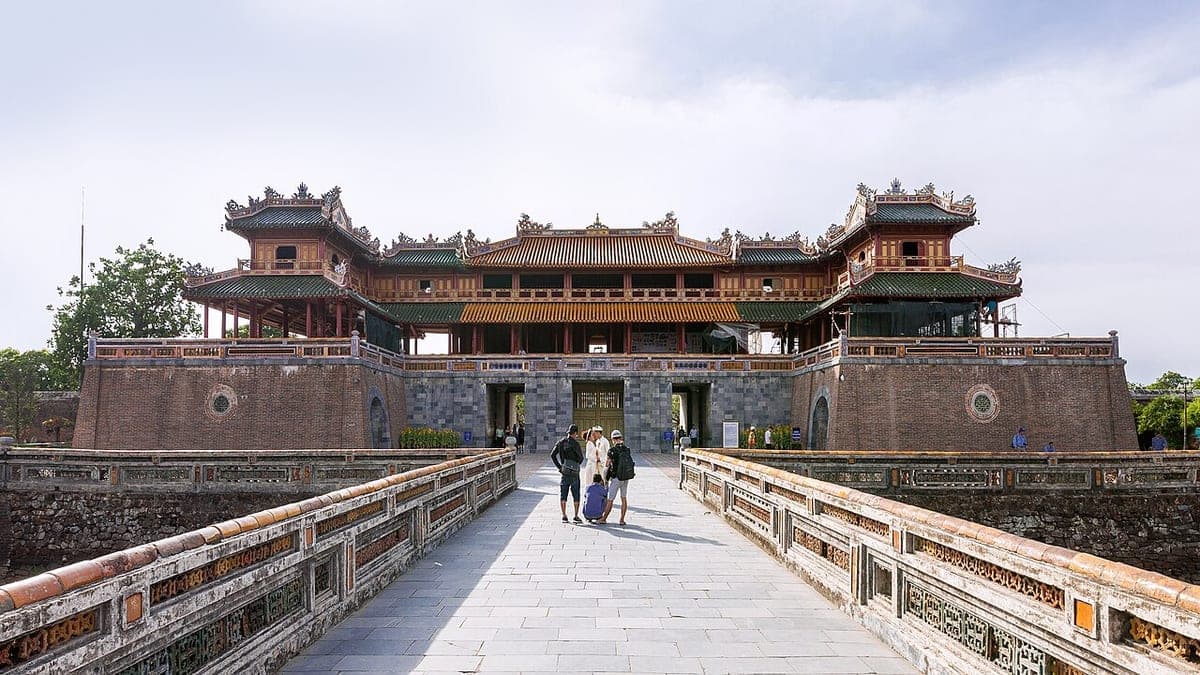
Marble Mountains (Ngũ Hành Sơn) caves and summit pagodas suit wide-angle contrast between light holes and carved shrines—strong half-day add-on from Da Nang.
Phong Nha–Ke Bang: cave scale and jungle rivers
Phong Nha–Ke Bang National Park in Quảng Bình province delivers some of Vietnam’s most dramatic interior frames—cathedral caves, underground rivers, and jungle access roads. It fits central-north routes between Hanoi and Hue/Da Nang if you allow two to three nights.
Photography inside caves
- Paradise Cave and Phong Nha Cave (boat approach) allow tripod work in designated zones—confirm on-site rules; some areas are walkway-only.
- Tripods and wide-angle lenses (16–35mm) emphasise scale; include human figures for reference when permitted.
- Cave lighting is artificial and mixed colour temperature—shoot RAW and correct WB later.
- Dark Temple (Hang Tối) and adventure tours may restrict gear—ask before packing non-waterproof bodies.
Budget: Organised cave tours and park transport often total 700,000–1,800,000 VND per day depending on sites. Pair with our national parks and wildlife guide for broader park ethics.
Mekong Delta: floating markets at first light
Southern Vietnam’s Mekong Delta suits documentary dawn work—Cai Rang and Cai Be floating markets peak before most tour buses arrive. This region fits Ho Chi Minh City (SGN) entry itineraries, not quick add-ons from Hanoi.
- 05:00–08:00 boat departures capture wholesale fruit piles and coffee brewed on sampans.
- 50mm–85mm isolates vendors; wider lenses capture boat density—mind spray and balance.
- Carry VND cash for boat hire (200,000–600,000 VND for small chartered boats varies by route).
If your trip is north-heavy, skip the delta rather than flying south for one rushed morning.
Camera gear, humidity, and backup workflow
Vietnam’s heat, humidity, and sudden rain punish gear. A practical 2026 kit list:
| Item | Why it matters |
|---|---|
| Lightweight tripod | Hoi An blue hour, Ha Long deck long exposures |
| Rain cover + dry bag | Sapa trails, delta boats, monsoon squalls |
| Silica gel pouches | Lens fog when AC meets street heat |
| Lens wipes + blower | Dust on cave trips and road transfer |
| 24–70mm walk-around | Single-lens days in towns |
| 70–200mm or longer | Terraces, bay compression |
| 16–35mm wide | Caves, lantern alleys, interiors |
| Polariser + ND filters | Haze, river reflections, midday water |
| Dual batteries + portable charger | Cold mornings and long transfer days drain fast |
Backup discipline: Copy cards nightly; cloud upload when hotel Wi-Fi allows. Lost cards on a one-time sunrise hurt more than a missed souvenir.
Drones, permits, and legal boundaries
Drone rules in Vietnam are municipal and site-specific—fines are charged in VND, and casual launches near airports, heritage cores, national parks, and military zones create real risk.
General guidance (not legal advice):
- Assume no drone at Hoi An heritage zone, Ha Long cruise decks (operator-dependent), Ba Na Hills, and most cave parks unless you hold written permission.
- Commercial shoots may need additional permits—verify with local cinema or tourism offices before paid client work.
- Keep cruise tickets, park receipts, and visa printouts accessible for bag checks at sensitive sites.
When aerial shots are non-negotiable, book helicopter or licensed operator experiences where legally offered rather than risking confiscation.
Sample 2026 photography routing
Match route to entry airport and light goals:
North-to-central classic (12–14 days)
| Leg | Transport | Shoot days | Priority frames |
|---|---|---|---|
| Hanoi buffer / Old Quarter | Arrive HAN | 2 | Street dawn, lake |
| Ha Long or Lan Ha cruise | Shuttle or Cat Ba ferry | 2 | Two sunrises, kayak |
| Overnight train or flight to Da Nang | Rail ~15–17 hrs or fly ~1.5 hrs | 1 travel | Rest or Marble Mountains |
| Hoi An base | Taxi from DAD | 3 | Dawn alleys, lantern night |
| Fly/train to Lao Cai → Sapa | Overnight train popular | 3 | Terraces, mist |
| Return via Hanoi | Train or fly | 1 | Buffer weather |
Domestic flights from Hanoi to Da Nang (~1.5 hours) save fatigue versus back-to-back overnight trains if budget allows. Photographers often fly HAN→DAD and train to Sapa for variety.
Central-first (10 days, DAD entry)
Land Da Nang, shoot Golden Bridge and Hoi An first, then northbound to Phong Nha (if time) or southbound to delta markets via SGN—efficient when international tickets price better into DAD.
Visa reminder: Your approved entry port must match your first landing. Multi-region trips still use one valid entry document—see how to apply for a Vietnam eVisa online once dates are firm.
Budget cues in VND
Photography adds costs beyond standard travel—guides, fees, and cruise upgrades.
| Item | Typical range (VND) | Notes |
|---|---|---|
| Ha Long day boat | 800,000–2,000,000+ | Dawn light weak on day returns |
| Overnight bay cruise | 1,500,000–4,000,000+ pp | Book passenger-cap limits early |
| Hoi An heritage booklet | ~120,000 | Verify at gate |
| Courtyard photo fee | 20,000–50,000 | Pay when requested |
| Sapa guide half-day | 400,000–800,000 | Cooperative guides worth premium |
| Ba Na Hills cable car | 900,000–1,500,000 | Weekend queues affect timing |
| Phong Nha cave tour | 400,000–1,200,000+ | Varies by cave |
| Delta small boat hire | 200,000–600,000 | Dawn charters cost more |
Carry 500,000 VND emergency cash for sold-out evenings or unexpected fees—buy the next lawful slot, not scalper touts. For exchange context, see our Vietnam currency exchange guide.
Common mistakes photographers make
- Shooting Ha Long on a midday day boat—haze and harsh shadows waste the bay.
- Visiting Hoi An only once at noon—crowds and flat light create disappointment.
- One morning in Sapa—cloud banks need buffer days.
- Packing a drone without checking site rules—confiscation and fines end trips badly.
- Staging exploitative ethnic portraits—damages trust and increasingly draws pushback.
- Ignoring monsoon calendars on central coast boat shoots—autumn typhoons pause ferries for days.
- Booking non-refundable tours before visa approval—verify Vietnam eVisa processing time and requirements first.
- Single memory card, no backup—irreplaceable dawn files deserve redundancy.
Visa and entry planning for photography travellers
Photography does not change immigration rules. Your approved Vietnam eVisa (or other valid entry document) governs entry at an authorized port—commonly Noi Bai (HAN), Da Nang (DAD), or Tan Son Nhat (SGN) depending on route.
Official policy reminder: Entry rules are set by Vietnamese immigration authorities. Always verify requirements for your nationality via our nationality checker or Vietnam eVisa requirements guide before paying for flights.
Practical planning steps:
- Verify eligibility before booking—use our check requirement tool for nationality-specific notes.
- Match entry port to first landing—your approval lists the authorized port; mismatches cause denied boarding. Read Vietnam eVisa entry ports before ticketing.
- Apply early—processing varies; the processing time guide explains typical windows.
- Families: Each traveller including minors needs an appropriate document—see Vietnam eVisa for families and minors.
- Photo standards: Rejected passport photos delay trips—review Vietnam eVisa photo requirements before uploading (separate from your camera gear).
- Fees: Government fees are fixed tiers—our Vietnam eVisa fees explained page breaks down costs.
- Multiple entry: Side trips to Cambodia or Thailand between shoots require the right visa type—see the Vietnam multiple-entry eVisa guide.
- Embassy alternative: Unsure whether eVisa fits your case? Compare options in Vietnam eVisa vs embassy visa.
Private assistance note: We are not the government—we help travellers avoid common application errors and prepare complete submissions. Final approval rests with immigration authorities.
Related travel guides
- Hidden gems in Vietnam for lesser-crowded frames
- Vietnam national parks and wildlife for nature photography ethics
- Vietnam adventure travel for active shoot locations
- Best islands in Vietnam for Lan Ha and Cat Ba logistics
Frequently asked questions
What is the best time of day to photograph Ha Long Bay?
Dawn and blue hour beat midday haze. Overnight cruises position you for two sunrises with fewer tour boats. Kayak-level perspectives near the waterline add depth between karst pillars. A polariser helps on afternoon transits when you cannot avoid top light.
Can I use a drone for photography in Vietnam?
Rules vary by municipality and national park—fines are in VND and ignorance is rarely accepted. Verify permits before commercial or aerial shoots. Heritage zones, theme parks, airports, and many urban cores prohibit casual launches.
How do I photograph ethnic minority communities ethically in Sapa?
Hire licensed local guides through cooperatives, agree on modeling or trail fees in VND upfront, and never stage posed poverty. Ask permission before portraits; respect declines. Some markets allow respectful distance shots when close-ups are refused.
What camera gear should I bring for Vietnam humidity?
Pack a lightweight tripod, rain covers, lens wipes, silica pouches, and a 24–70mm walk-around lens. Telephoto compression suits rice terraces; wide angles suit caves and lantern streets. Redundant batteries and dry bags matter on Sapa trails and delta boats.
How many days do I need for a Vietnam photography trip?
A focused north-to-central loop (Ha Long, Hanoi, Hoi An) needs 8–10 days. Adding Sapa and mountain viewpoints pushes to 12–14 days. Rushing all regions in one week produces mediocre light and exhausted travel days.
Is Hoi An worth visiting just for photography?
Yes—with time-of-day planning. Dawn alleys and post-sunset lantern hour deliver the signature shots. Midday crowds and harsh sun make Hoi An feel overrated for photographers on a tight schedule.
What is the best season for landscape photography in Vietnam?
North terraces: green April–June, harvest gold September–early October. Central coast: often clearest February–August outside typhoon windows. South: drier November–April for delta and beach work. Buffer weather days in mountains.
Do I need a visa to photograph in Vietnam?
Photography does not change entry rules. Most foreign visitors need a valid passport and an approved Vietnam eVisa or other authorized document before international travel. Confirm eligibility and match your entry port to your first landing airport.
Closing summary
Vietnam rewards photographers who plan around light, season, and access—not landmark checklists. Ha Long and Lan Ha need dawn decks or kayaks. Hoi An needs empty mornings and lantern nights. Sapa needs telephoto patience, weather buffers, and ethical village contact. Add Hanoi street dawn, Golden Bridge opening hour, Phong Nha cave scale, or delta floating markets when your route and entry airport support them.
Confirm entry documents before non-refundable cruises and photo tours. Verify eligibility, choose the correct entry type, confirm your port of entry, and apply early enough to absorb processing time. When avoiding application mistakes matters—wrong photos, incomplete passenger data, or nationality edge cases—private assistance can streamline submission review.
We are a private visa assistance service, not the Government of Vietnam.
Apply for your Vietnam eVisa once your shoot route and dates are set—or check your requirements first if you are still building the itinerary.
Ready to apply? Use our guided 4-step form on this site.
Apply for Vietnam eVisaRelated Articles
Vietnam eVisa for Children & Families (2026): Complete Group Application Guide
Complete 2026 guide to Vietnam eVisas for children, infants, and family groups—separate passport rules, group filing for up to 15 travelers, photos, fees, guardianship documents, immigration tips, and common family mistakes.
Vietnam Multiple Entry e-Visa 2026 - Ultimate 90-Day Guide
Vietnam multiple-entry eVisa 2026: when single entry fails, real travel plan examples, $55 vs $80 visa fees, how long visas stay valid, re-entry checks at the border, and mistakes that block your second crossing.
Why Vietnam eVisas Get Rejected in 2026: Top Reasons and How to Fix Them
Top Vietnam eVisa rejection reasons in 2026—document quality, passport data mismatches, eligibility issues, duplicate applications—and exactly what to fix before you reapply or fly.